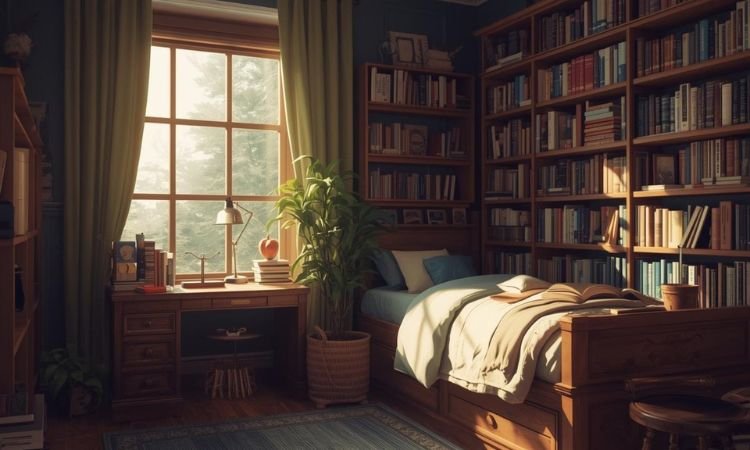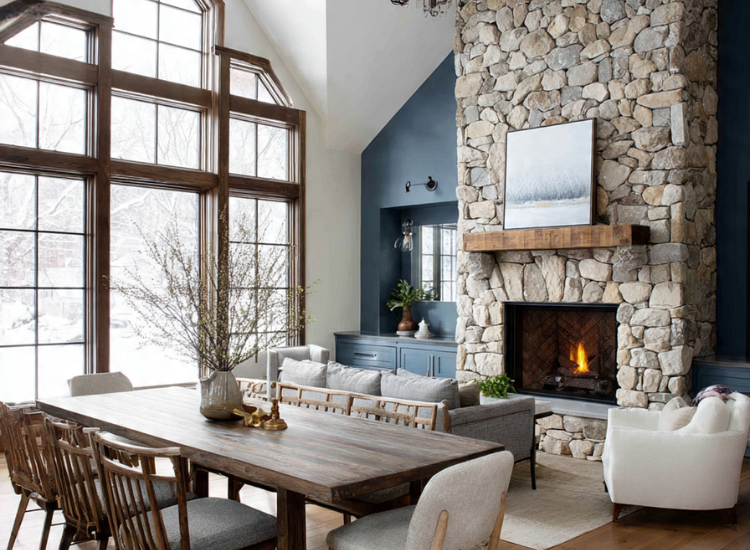
When snowflakes start falling and temperatures drop, there’s something magical about transforming your home into a warm, inviting sanctuary. Winter farmhouse decor captures that perfect blend of rustic authenticity and seasonal comfort—think chunky knit blankets draped over weathered furniture, the soft glow of lantern light, and natural elements that bring the beauty of the outdoors inside. This timeless aesthetic doesn’t just decorate your space; it creates an atmosphere where every corner whispers “stay awhile.” Whether you’re hosting holiday gatherings or simply craving a cozy retreat from winter’s chill, farmhouse style offers the perfect canvas for seasonal transformation.
What Makes Farmhouse Decor Perfect for Winter Months
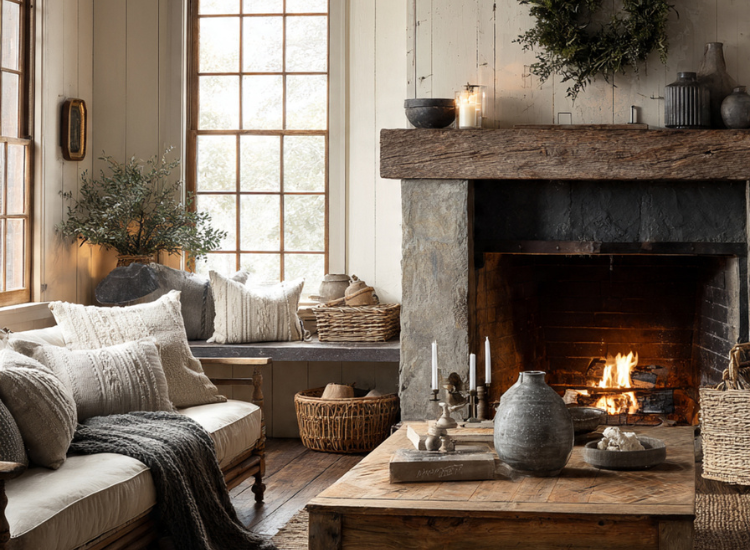
Farmhouse aesthetics and winter are natural companions. The style’s foundation—reclaimed wood, natural fibers, and vintage elements—creates inherent warmth that becomes essential during colder months. Unlike sleek modern designs that can feel cold, farmhouse decor embraces texture and tactile comfort.
The emphasis on handcrafted items and repurposed treasures tells stories of simpler times, evoking nostalgic feelings of grandmother’s country kitchen or a historic homestead blanketed in snow. This authentic, lived-in quality makes spaces feel genuinely welcoming rather than staged, which is exactly what we crave when winter keeps us indoors.
Essential Color Palettes That Define Winter Farmhouse Style
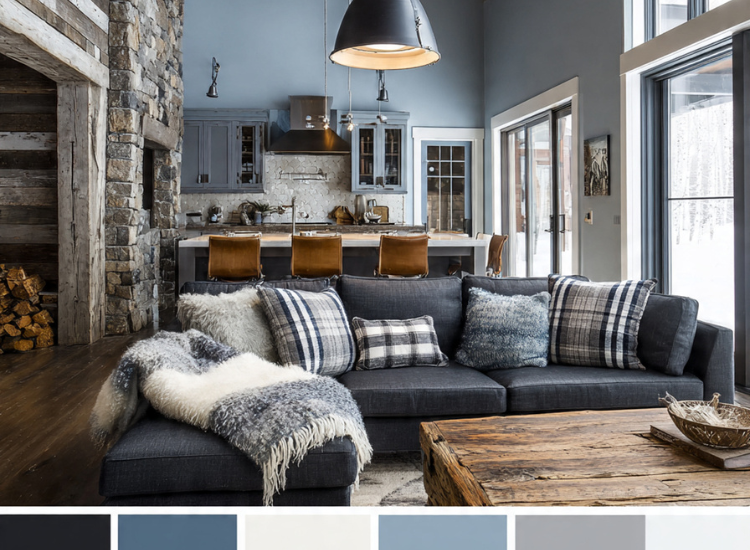
While farmhouse decor is known for neutral foundations, winter offers opportunities to expand your palette strategically. Start with your base: creamy whites, soft taupes, and warm grays that mimic winter’s natural landscape. Layer in deeper tones like charcoal or slate for contrast and sophistication.
Muted sage greens and dusty blues bring subtle color without overwhelming the rustic aesthetic. Don’t shy away from winter berry reds or burnt oranges in small doses—vintage enamelware or plaid textiles in these shades add just enough warmth. The key is balance: let neutrals dominate while strategic color pops create visual interest and seasonal relevance.
Layering Textures: The Secret to Cozy Farmhouse Interiors
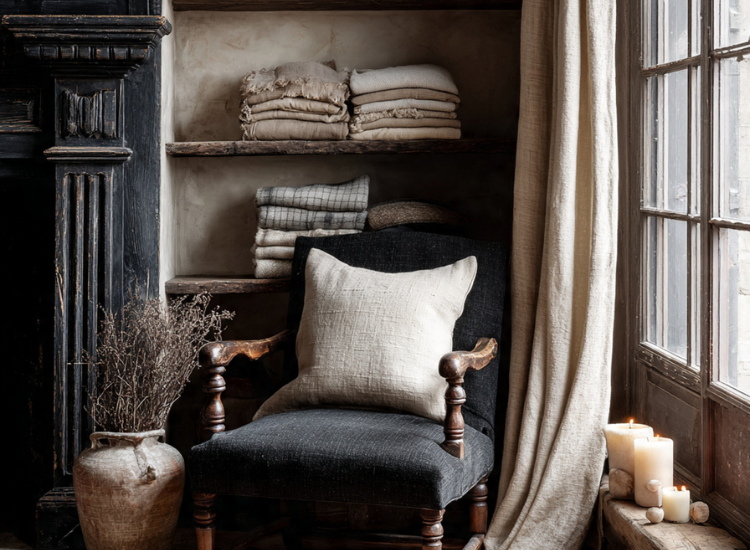
Texture is where winter farmhouse decor truly shines. The magic happens when you combine contrasting materials in unexpected ways. Drape a chunky cable-knit throw over a smooth leather chair. Place a weathered wooden tray on a sleek metal coffee table. Mix vintage quilts with modern linen pillows. This layering creates depth and invites touch, making spaces feel immediately more comfortable.
Think beyond fabric—incorporate galvanized metal buckets, rough-hewn timber, smooth ceramic pitchers, and woven baskets. Each texture catches light differently, adding dimension that’s especially important during winter’s shorter days when natural light is precious.
Rustic Lighting Solutions That Add Winter Ambiance
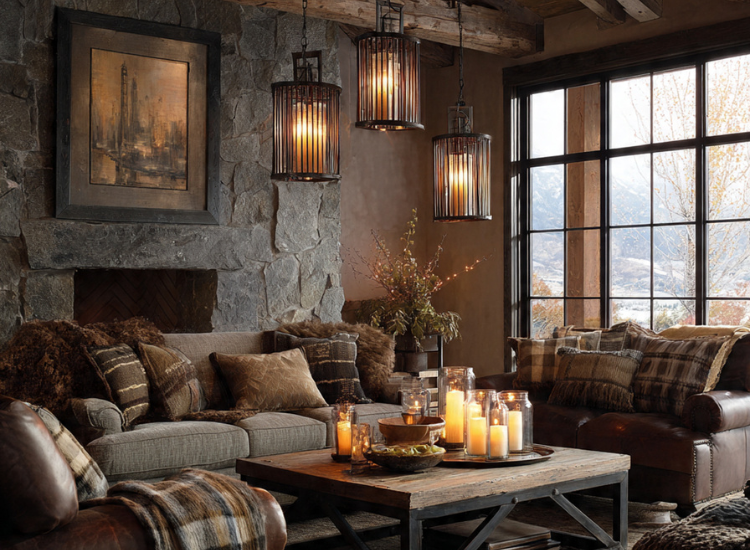
Combat winter darkness with lighting that feels intentional and atmospheric. Edison bulb fixtures with exposed filaments provide warm, amber glows reminiscent of candlelight. Cluster several lanterns of varying heights on a dining table or mantel—mix battery-operated candles with real flames for safety and continuity. Mason jar pendant lights above kitchen islands deliver farmhouse authenticity while providing practical illumination.
Consider vintage chandeliers from architectural salvage shops; their patina and character create instant focal points. The goal isn’t bright overhead lighting but rather multiple warm light sources throughout a room that create pockets of golden ambiance perfect for winter evenings.
Natural Elements: Bringing the Outdoors Inside
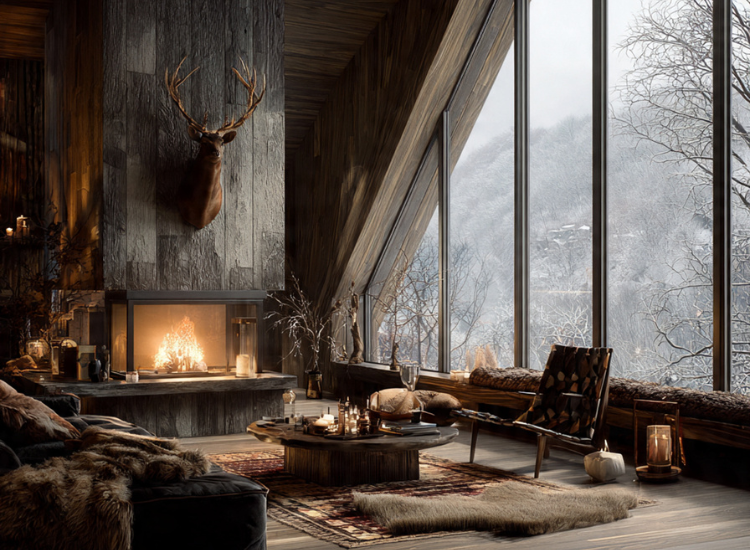
Winter’s landscape provides stunning decor materials that cost nothing but a walk outside. Fill galvanized buckets with fresh evergreen clippings—pine, cedar, and fir release wonderful scents while adding greenery. Stack birch logs beside fireplaces or in decorative crates. Arrange pinecones in wooden dough bowls or vintage breadboxes.
Dried cotton stems in ceramic pitchers bring a Southern farmhouse touch, while wheat bundles tied with twine celebrate harvest season extending into winter. Bare branches spray-painted white create dramatic vertical interest in tall vases. These natural elements connect your indoor space to the season outside, grounding your decor in authentic materials rather than artificial alternatives.
Vintage Finds and Thrifted Treasures for Authentic Character
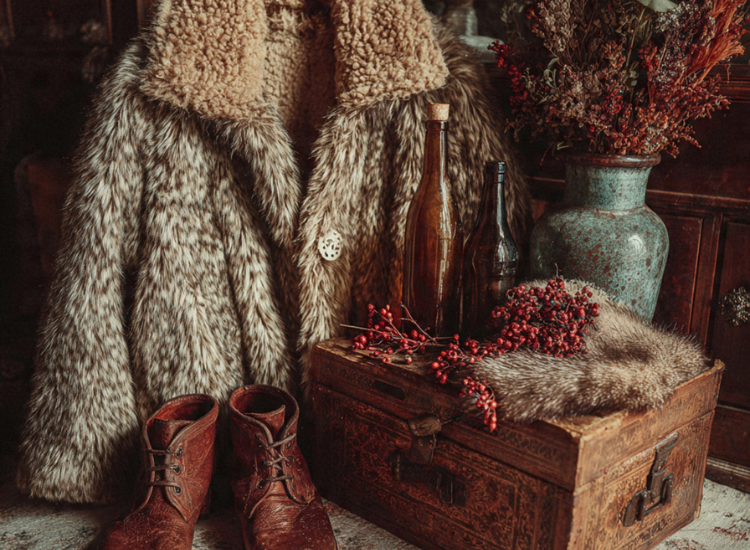
The soul of farmhouse decor lives in its vintage elements. Hunt thrift stores and estate sales for enamelware with authentic chips and wear—these imperfections tell stories. Wooden crates (especially those stamped with old farm names) work as storage, shelving, or wall art. Antique sleds and vintage skis leaned against walls add unexpected vertical interest.
Galvanized watering cans and buckets become vases or storage solutions. Old window frames transform into picture displays or mirrors. The beauty of incorporating vintage pieces is their uniqueness—your decor becomes one-of-a-kind rather than catalog-perfect. Plus, thrifting is budget-friendly and environmentally conscious, making it a win on multiple levels.
Fireplace Mantel Styling for Maximum Winter Impact
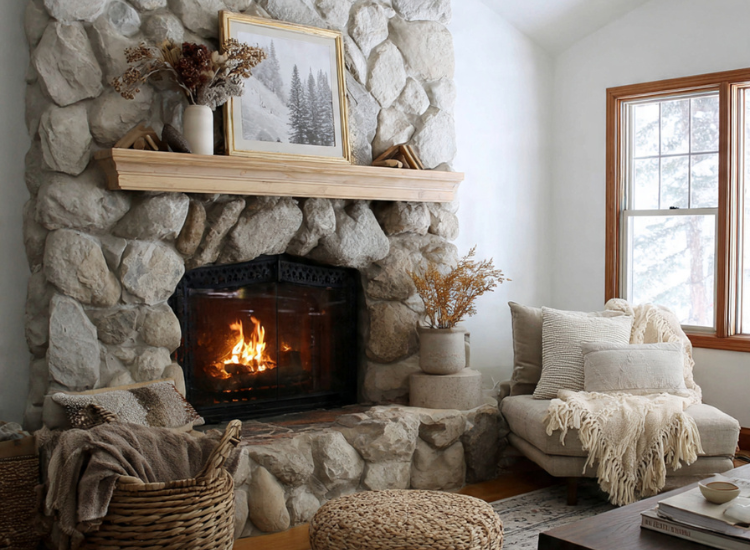
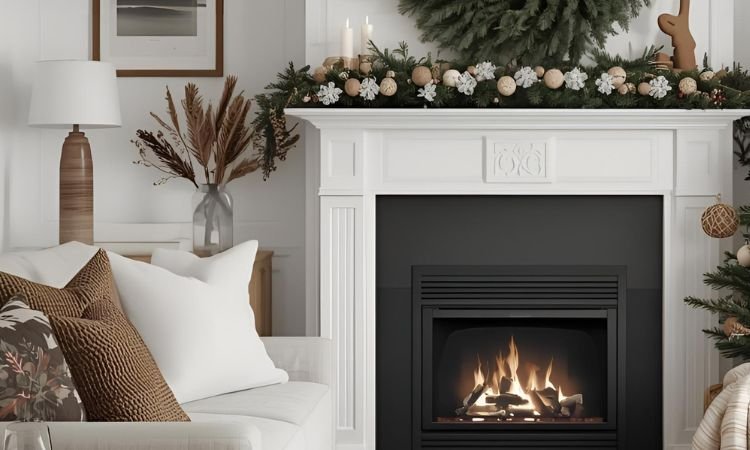
Your mantel deserves attention as the natural focal point of winter gathering spaces. Start with a large anchor piece—an oversized mirror, vintage sign, or piece of artwork. Layer in height variation using candlesticks of different sizes, small framed prints propped casually, and decorative objects like vintage books or antique scales.
Drape fresh or faux evergreen garland, weaving in berries, pinecones, and twinkle lights. The key is asymmetrical balance: group items in odd numbers and vary heights to create visual interest without rigidity. Rotate elements monthly—add white branches in January, pussy willows in February—to keep the display feeling fresh throughout winter without complete overhauls.
Farmhouse Kitchen: Creating a Warm Gathering Heart
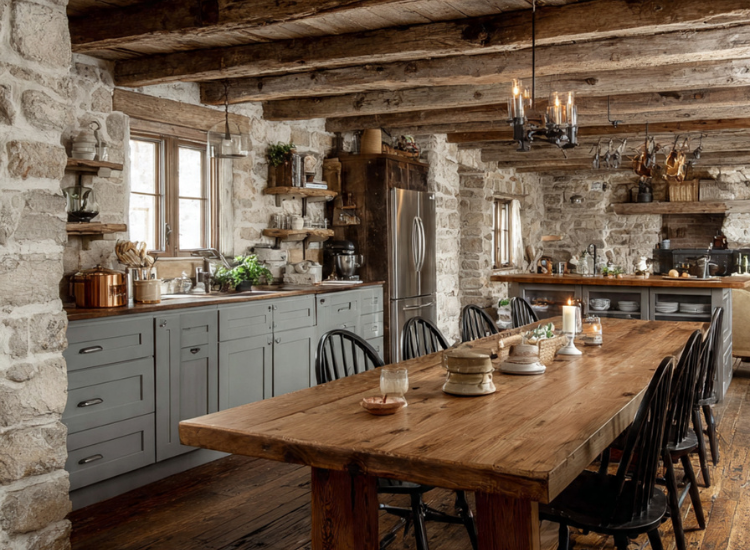
The kitchen is farmhouse style’s spiritual home. Style open shelving with mismatched vintage dishes, displaying everyday items that are both functional and beautiful. Fill ceramic pitchers with wooden spoons, cooking utensils, or seasonal evergreen branches. Display cutting boards vertically—their various wood tones and shapes create rustic art.
A vintage breadbox on countertops provides storage while adding character. Hang copper pots or cast-iron skillets from wall-mounted racks. Place a wooden tray with fresh herbs in mason jars near the sink. These practical touches make your kitchen feel lived-in and loved, inviting family and guests to linger over coffee and conversation rather than rushing through.
Cozy Textiles: Bedding and Throws That Invite Hibernation
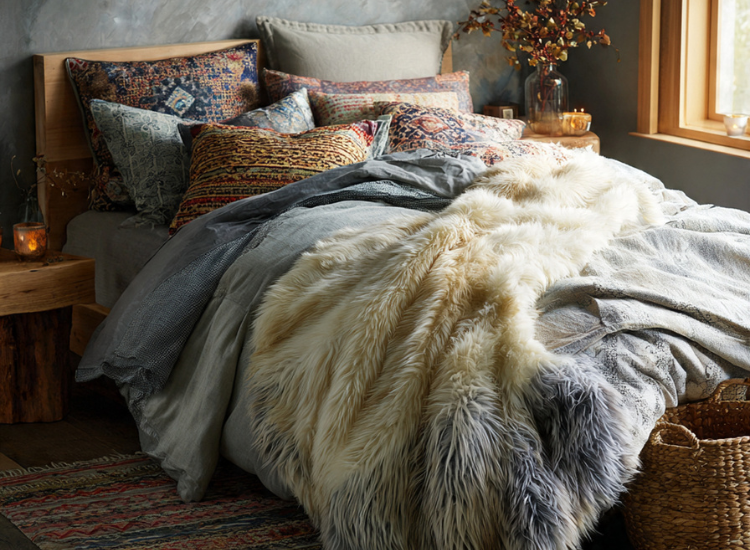
Winter bedrooms should feel like irresistible retreats. Layer linen duvet covers in neutral tones with wool blankets and quilts at the foot of the bed. The intentionally “unmade” farmhouse bed aesthetic—with casually folded throws and plump pillows—looks inviting rather than messy. Drape cable-knit throws over reading chairs. Incorporate plaid patterns through pillows or blankets for classic farmhouse appeal.
Choose natural fibers like cotton, linen, and wool that breathe well while providing warmth. The goal is creating a bed so cozy that getting up on cold mornings feels genuinely difficult—and isn’t that exactly what winter bedrooms should accomplish?
Modern Farmhouse Meets Winter: Balancing Old and New
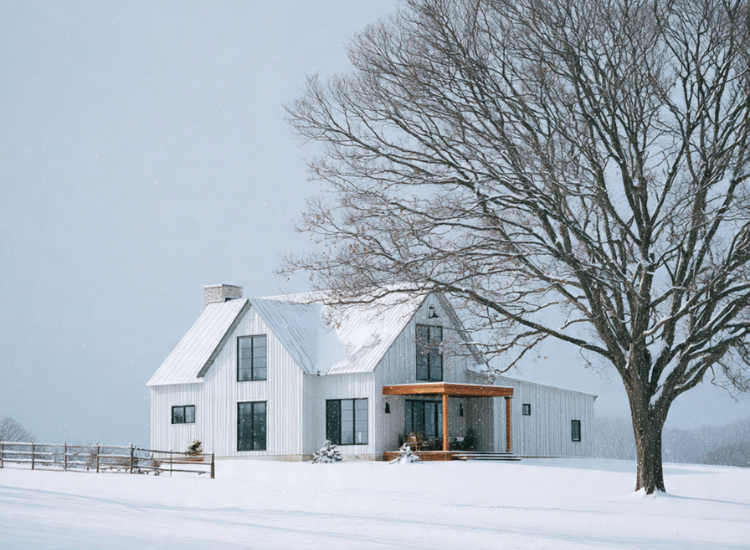
Modern farmhouse has evolved the traditional aesthetic for contemporary lifestyles. This approach maintains warmth while incorporating cleaner lines and edited displays. Black metal accents—cabinet hardware, light fixtures, window frames—add contrast against neutral backgrounds. Shiplap walls stay white and bright rather than heavily distressed.
Open shelving displays fewer, more carefully curated items. This cleaner interpretation appeals to younger decorators or those in smaller spaces who want farmhouse charm without overwhelming rusticity. The winter application remains cozy through textiles and natural elements, but the overall effect feels fresh and current rather than purely nostalgic.
Conclusion
Winter farmhouse decor succeeds because it prioritizes comfort, authenticity, and connection—to simpler times, to nature, and to the people who gather in our homes. The beauty of this style is its flexibility: whether you incorporate every suggestion here or select just a few elements that speak to you, you’re creating something personal. Start with what you have, add thrifted treasures gradually, and don’t stress about perfection. The most authentic farmhouse homes show signs of life—books actually being read, blankets actually used, kitchens actively cooking meals. This winter, give yourself permission to create a space that’s genuinely comfortable rather than just Instagram-worthy. After all, the best farmhouse decor is the kind that makes you never want to leave home.