You love neutrals but you’re so tired of beige-and-white bedrooms that feel like catalog pages. You want something with more depth, more drama, more personality—but you’re not ready to commit to bold color. Basically you want neutrals that actually have a mood instead of just existing as safe background choices.
Moody neutral bedrooms solve this perfectly. We’re talking deep charcoals, warm grays, soft blacks, rich taupes, and creamy off-whites layered together creating dimension and atmosphere. No more flat beige walls with white trim calling it done. This is about using neutral tones intentionally to create actual mood and sophistication.
Here’s the thing—most people think neutral means boring and safe. But moody neutrals are anything but safe. They require confidence committing to darker tones, skill layering multiple neutrals without everything blending into mush, and restraint avoiding the urge to “brighten things up” with pops of color. The discipline creates elegance.
I’m breaking down 11 moody neutral bedroom ideas that prove neutrals can be dramatic and interesting. You’ll see which neutral combinations actually create depth, how to layer tones without losing definition, what textures make neutrals feel rich instead of flat, and the specific choices that separate sophisticated moody neutrals from basic beige bedrooms.
What Makes Moody Neutral Bedrooms Actually Work
- Depth Through Tonal Variation: Layering multiple shades of neutrals creates dimension single-color rooms lack. It’s like monochromatic painting where subtle shifts add complexity. The tonal progression from light to dark creates visual interest without color.
- Texture Becomes Everything: Without color variation, material differences carry design weight. It’s like cooking where technique matters more than ingredients. The textural contrast between smooth and rough, matte and sheen creates all the interest.
- Warm Undertones Prevent Coldness: Choosing neutrals with warm undertones—greige, taupe, warm gray—keeps rooms inviting. It’s like paint samples where base tone determines feeling. The warm foundation makes moody neutral cozy rather than sterile.
- Strategic Lighting Creates Atmosphere: Multiple warm light sources make neutrals glow while single overhead creates flatness. It’s like photography where lighting reveals depth. The layered illumination brings neutral palette to life.
11 Moody Neutral Bedroom Ideas
Create sophisticated restful spaces with these moody neutral approaches that prove neutrals can be anything but boring.
Charcoal and Cream Contrast
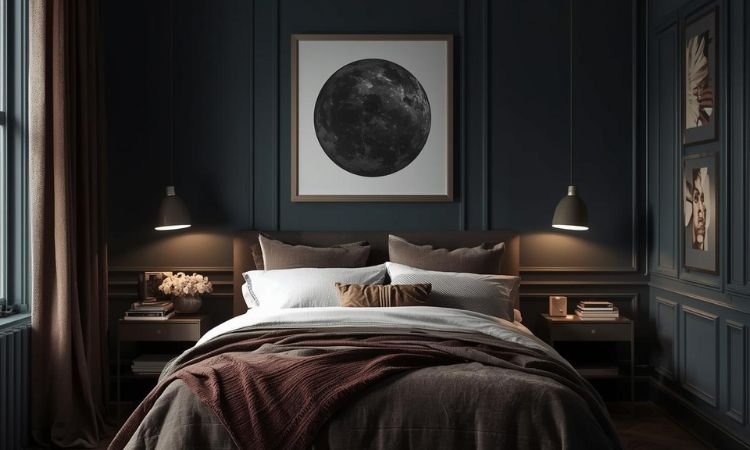
Combine deep charcoal walls with cream bedding and accents creating high-contrast sophistication. The dramatic pairing provides visual interest while maintaining neutral palette. I’ve found this combination works everywhere—it’s basically foolproof elegant.
Paint walls Sherwin Williams Peppercorn or Benjamin Moore Kendall Charcoal. Use cream or ivory bedding, curtains, and larger accents. Costs $100-200 in paint plus cream textiles ($200-500). Add brass or black fixtures. The bold contrast creates drama while staying completely neutral.
Layered Gray Tonal Bedroom
Build room using 4-5 different gray shades from pale to charcoal creating sophisticated gradient. The monochromatic approach creates depth through subtle variation. And honestly, when done right, all-gray rooms look incredibly polished and intentional.
Use Benjamin Moore Revere Pewter on walls, lighter gray ceiling, darker gray accent wall, charcoal bedding, pale gray curtains. Costs $150-300 in paint plus varied gray textiles ($250-600). The tonal layering creates dimension and sophistication single gray can’t achieve.
Warm Greige Envelope
Paint walls in deep greige (gray-beige hybrid) creating warm cocooning effect. The balanced neutral feels neither too cool nor too warm landing perfectly in middle. This color family is having a major moment because it really does work universally.
Choose Sherwin Williams Accessible Beige, Benjamin Moore Balboa Mist, or Farrow & Ball Elephant’s Breath for deeper application. Paint all walls creating envelope effect. Costs $100-200. Layer with cream, tan, and soft gray textiles. The warm greige creates sophisticated neutral foundation without coldness.
Black Accent Wall Drama
Paint single wall matte black creating bold focal point while keeping other walls light neutral. The unexpected black provides maximum drama while remaining technically neutral. Sound familiar? This trick is all over designer bedrooms because one black wall changes everything.
Use Benjamin Moore Black or Sherwin Williams Tricorn Black on wall behind bed. Keep remaining walls in cream, warm white, or pale gray. Costs $40-80 for accent wall. The dramatic contrast creates sophistication while maintaining overall light neutral palette.
Textured Neutral Layers
Create interest through varied textures in same neutral palette—linen sheets, velvet pillows, chunky knit throw, smooth leather bench, nubby wool rug. The material variety creates richness color alone can’t provide.
Layer cream linen duvet ($100-250), add velvet pillows in taupe and gray ($40-80 each), include chunky knit throw in oatmeal ($60-120), place leather or suede bench at foot of bed ($200-500). Total textile investment $500-1,000. The texture variation makes neutrals feel luxurious and dimensional.
Soft Black and White Bedroom
Use softer versions—off-black and cream—instead of stark contrast creating gentler moody neutral palette. The muted approach feels sophisticated without harsh edges. This works especially well in smaller bedrooms where full contrast might overwhelm.
Paint walls in soft black or charcoal, use cream bedding and curtains avoiding bright white. Add warm wood furniture softening further. Costs $100-150 in paint plus cream textiles ($200-400). The softened palette creates moody sophistication with approachable warmth.
Taupe and Charcoal Combination
Mix warm taupe with charcoal gray creating rich neutral palette with depth. The warm-cool combination creates balance and interest. I mean, this pairing just works—the warmth prevents coldness while depth prevents blandness.
Paint accent wall charcoal, remaining walls in warm taupe. Or use charcoal bedding on taupe walls. Add furniture mixing both tones. Costs $100-200 in paint or concentrated in textiles ($250-600). The combination creates sophisticated neutral depth impossible with single tone.
Linen-Everything Minimalism
Create calm moody neutral space using linen everywhere—bedding, curtains, upholstery—in natural oatmeal and gray tones. The natural fiber texture adds warmth while neutral shades maintain sophisticated restraint. This approach suits minimalist aesthetic perfectly.
Invest in quality linen bedding in natural or gray ($200-500), linen curtains ($100-300), possibly linen-upholstered headboard ($400-1,000). The linen emphasis creates organic sophisticated feeling. The natural fiber prevents minimalist neutrals feeling cold or sterile.
Dark Wood and Neutral Textile Mix
Ground moody neutral palette with substantial dark wood furniture—walnut, espresso, or dark oak. The wood provides weight and richness while maintaining neutral scheme. This adds necessary depth preventing washed-out appearance.
Choose dark wood bed frame ($600-1,500), matching nightstands ($200-400), dresser ($500-1,200). Pair with neutral textiles in cream, gray, and taupe. The dark wood anchors lighter neutrals creating sophisticated balanced palette with proper visual weight.
Monochromatic Cream Bedroom
Build entire room in cream variations from ivory to deeper parchment creating soft moody effect. The all-cream approach feels luxurious and enveloping. And honestly, cream done right looks incredibly expensive and intentional.
Use Benjamin Moore Swiss Coffee or Sherwin Williams Creamy on walls, layer various cream textiles from bright ivory to deeper parchment. Add natural wood in light finish. Costs $100-150 in paint plus cream textiles in varied shades ($300-700). The tonal cream creates sophisticated warmth without coldness.
Concrete Gray with Warm Accents
Use cool concrete-inspired gray adding warmth through wood, brass, and tan accents. The cooler base with warm additions creates sophisticated balance. This works great in modern bedrooms wanting moody without traditional approaches.
Paint walls Benjamin Moore Cement Gray or Sherwin Williams Cityscape. Add warm wood furniture, brass fixtures, tan leather accents, cream textiles. Costs $100-200 in paint plus warm accent pieces ($400-1,000). The temperature mixing creates modern sophisticated moody neutral bedroom.
Making Moody Neutrals Work Long-Term
- Vary Sheen and Finish: Mix matte walls with satin bedding, matte furniture with glossy accents creating visual interest. It’s like texture layering where surface quality adds dimension. The sheen variation prevents flat monochrome appearance.
- Include Warm Wood Tones: Add natural wood preventing neutrals reading too cold or clinical. It’s like seasoning where warmth balances coolness. The organic wood grounds neutral palette keeping spaces inviting.
- Layer Lighting Generously: Use 5-7 warm light sources minimum making neutrals glow. It’s like makeup lighting where proper illumination reveals beauty. The abundant warm lighting prevents moody neutral becoming gloomy neutral.
- Add Living Elements: Plants provide necessary life and color variation in neutral spaces. It’s like fresh flowers where organic elements prevent stagnation. The greenery keeps spaces feeling vital rather than static.
Frequently Asked Questions About Moody Neutral Bedrooms
How Do You Keep Neutrals From Looking Boring?
Layer multiple neutral shades creating tonal depth. Vary textures extensively—smooth, rough, soft, hard, matte, sheen. Add substantial quality pieces rather than cheap furniture. Include architectural interest through paneling or trim. The layering and quality make neutrals feel intentional and sophisticated.
Single beige on walls with white trim and basic furniture reads boring. Multiple neutrals with texture variation and quality materials reads sophisticated. The effort and layering make all the difference.
What’s Difference Between Moody Neutral and Just Beige?
Moody neutral uses deeper tones with intention—charcoals, rich taupes, soft blacks layered purposefully. Regular beige tends toward safe medium tones avoiding commitment. Moody neutral embraces darkness and drama while beige plays it safe staying light and middle-value.
The confidence level differs—moody neutral commits to atmosphere and mood. Regular beige tries not to offend anyone. One creates experience, other fades into background.
Can You Add Any Color Accents?
You can, but honestly? The discipline of staying neutral creates sophistication color pops often ruin. If you must add color, use extremely muted versions—dusty rose, sage, rust—in small doses. Or stick with black, white, and wood as your only “accents.”
The restraint defines moody neutral aesthetic. Adding bright color pops undermines the sophisticated monochromatic intention. If you want color accents, maybe moody neutral isn’t your aesthetic.
What About Small Bedrooms?
Dark moody neutrals work beautifully in small spaces creating intentional cocoon effect. Ensure adequate lighting—5-6 sources minimum. Use lighter neutrals on ceiling maintaining some brightness. Include mirror reflecting light. Add plants preventing closed-in feeling.
Small bedrooms often benefit from moody neutral approach creating sophisticated intimate sanctuary. The enveloping effect makes limited space feel intentional rather than inadequate.
Which Neutrals Are Actually Warm?
Greige (gray-beige), taupe, cream, warm gray with beige undertones, soft black with brown base—these read warm. Pure gray, cool white, blue-gray, stark black—these read cool. Test paint samples observing whether undertone leans warm (brown/beige) or cool (blue/green).
The undertone determines whether neutrals feel inviting or sterile. Warm neutrals create cozy sophisticated spaces. Cool neutrals risk feeling cold and unwelcoming especially in bedrooms.
Creating Your Neutral Sanctuary
Moody neutral bedroom ideas prove that neutral doesn’t mean boring or safe. The sophisticated layering of deep tones and varied textures creates drama and interest without color commitment. And honestly, mastering moody neutral takes more skill than throwing up colored walls—the restraint and intentionality create truly sophisticated spaces.
Start with choosing your neutral base—warm or cool, deep or medium. Layer at least three additional neutral shades creating tonal depth. Focus heavily on texture variation since you’re not using color for interest. Add quality pieces over quantity maintaining sophisticated restrained feeling.
What draws you to moody neutral—the sophistication, the flexibility, the timelessness, or just being done with boring beige? Tell me what you’re after and I’ll help narrow down which neutral approach fits your style!