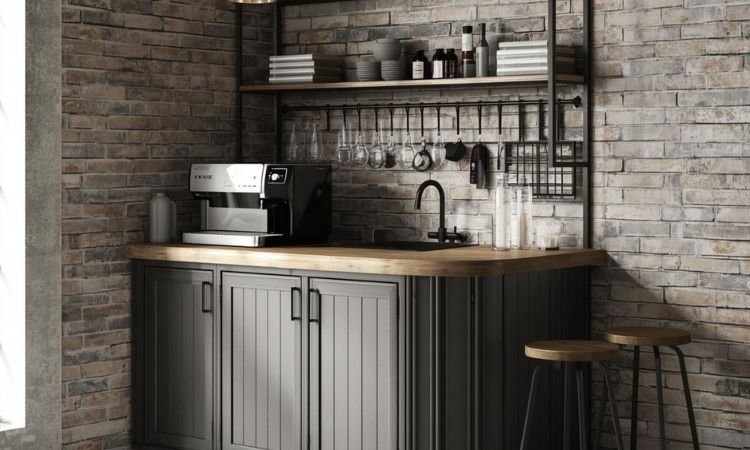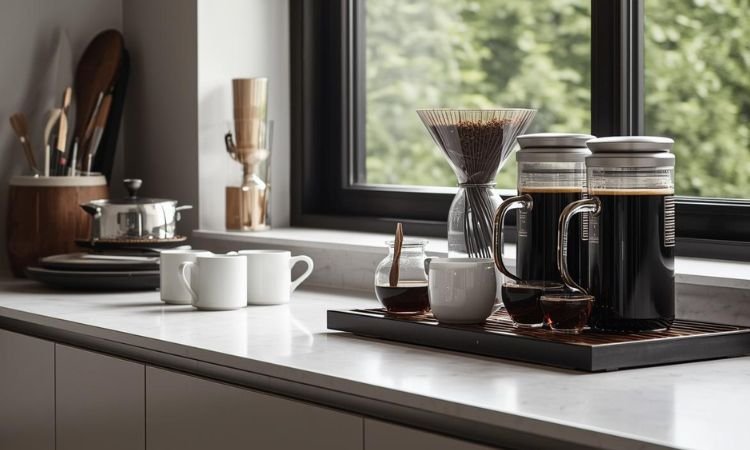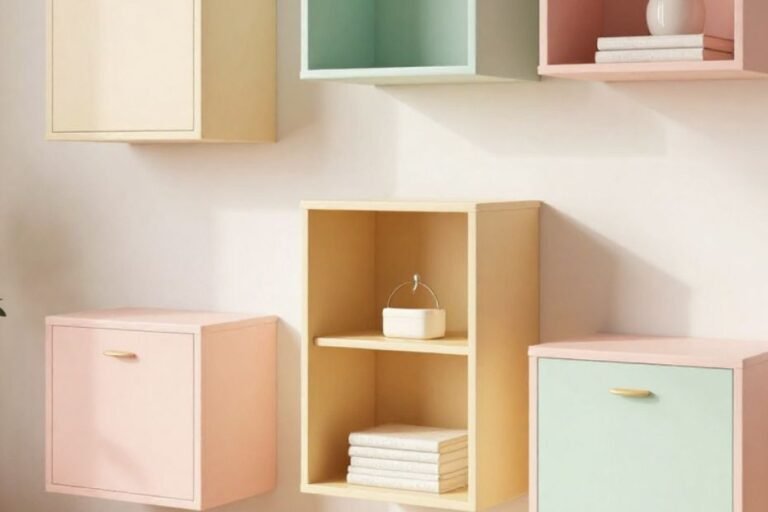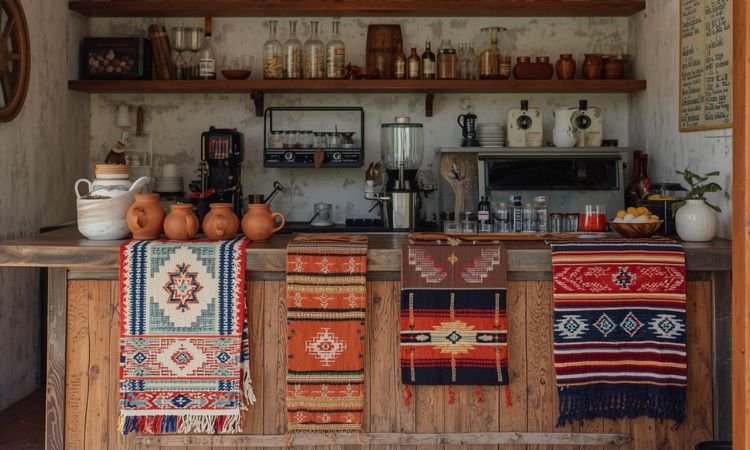
A Mexican-inspired coffee bar brings earthy textures, handcrafted details, and warm tones into your daily routine—without leaning on clichés or kitsch.
Today, we’re going to cover 10 grounded design ideas, including traditional materials like Talavera tile and clay pottery, natural wood finishes, artisan ceramics, and functional layouts that honor Mexican craftsmanship while staying practical for everyday use.
These ideas focus on authenticity, simplicity, and durability—not stereotypes.
Why Mexican Design Works for Coffee Stations
Natural materials age well: Unglazed clay, solid wood, and hand-thrown ceramics develop character over time and handle daily use gracefully.
Warm color palettes feel inviting: Terracotta, ochre, deep blues, and olive greens create a calm backdrop that complements coffee’s rich tones.
Handmade elements add soul: Small imperfections in artisan pieces make the space feel personal, not mass-produced.
Function meets tradition: Many Mexican kitchen tools—like molcajetes or clay brewers—are both beautiful and useful, blending ritual with routine.
10 Mexican Coffee Bar Ideas That Blend Warmth, Craft, and Daily Use
These setups draw from real Mexican design principles—clean, useful, and rooted in material honesty.
1. Hand-Painted Talavera Tile Backsplash
Use authentic Puebla-style Talavera tiles as a backsplash behind your coffee maker. Choose classic cobalt blue, green, or rust patterns on a white base. Keep the layout simple—just one row or a small framed section.
Avoid covering entire walls; let the tile be an accent. Pair with plain plaster or painted walls to keep focus on the pattern.
2. Unglazed Clay Canisters
Store beans, sugar, or cinnamon sticks in unglazed terracotta jars with fitted lids. These breathable containers help preserve freshness and add raw texture. Look for pieces from Oaxaca or Guanajuato for authentic form.
Place them on a wood shelf or counter. Wipe gently—never soak—and avoid using them for liquids.
3. Solid Wood Floating Shelves
Mount shelves made from reclaimed pine, mesquite, or cedar. Leave the wood unfinished or treat it with food-safe oil to highlight grain and knots. These support weight and age beautifully with use.
Space shelves 12–14 inches apart to fit mugs and small appliances. Avoid glossy varnishes—they clash with the natural aesthetic.
4. Traditional Black Clay (Barro Negro) Mugs
Display mugs made from Oaxacan barro negro—smooth, dark, and lightweight. Their subtle sheen comes from polishing, not glaze. They’re ideal for hot coffee and feel cool to the touch.
Limit to three or four matching mugs. Store extras out of sight to keep the look clean.
5. Woven Palm or Seagrass Trays
Use flat trays made from woven palm (petate) or seagrass to corral small items like spoons, filters, or cinnamon sticks. These add soft texture and are easy to lift for cleaning.
Choose tight weaves that won’t trap grounds. Replace if they start to fray—these are meant to be used, not preserved.
6. Earth-Toned Matte Wall Paint
Paint the wall behind your coffee bar in a warm, matte finish—think burnt sienna, olive green, or soft adobe. These colors echo desert landscapes and traditional homes without overwhelming.
Test samples in your lighting. Avoid bright or saturated versions; go for muted, mineral-based pigments.
7. Minimalist Molcajete as Grinder Holder
Place a small volcanic stone molcajete on the counter to hold your manual grinder or spare parts. While not used for grinding coffee, its form and texture add quiet reference to Mexican kitchen heritage.
Keep it clean and dry. Use only as a display or storage piece—coffee oils can stain porous stone.
8. Hand-Thrown Ceramic Dripper Stand
Use a locally made ceramic stand for your pour-over dripper. Look for pieces with organic shapes, slight asymmetry, and matte glazes in earthy tones. Each piece will be slightly different—this is part of the appeal.
Pair with matching carafes or cups from the same artisan for cohesion.
9. Iron or Wrought Metal Hooks
Install simple forged iron hooks on the wall or shelf edge to hang mugs, small towels, or a handheld milk frother. These mimic hardware found in traditional Mexican kitchens.
Choose black or dark bronze finishes. Avoid ornate scrollwork—opt for straight, functional forms.
10. Open Shelving with Adobe-Style Niche
Build a shallow recessed niche (like a hornacina) into a wall or cabinet side. Line it with smooth plaster or paint it in a contrasting earth tone. Use it to display one special item—a clay pot, a single mug, or a small plant.
Keep the niche uncluttered. In Mexican homes, these spaces often hold one meaningful object, not collections.
Common Mistakes and Fixes
Using mass-produced “Mexican” decor
Fix: Skip sombreros, serapes, or plastic cacti. Focus on real materials and functional objects made by artisans.
Overloading with color and pattern
Fix: Let one element shine—either Talavera tile or painted walls, not both. Balance bold pieces with neutral backgrounds.
Ignoring practicality
Fix: Choose pieces you’ll actually use. A beautiful clay pot is great only if it holds something useful.
Mixing too many regional styles
Fix: Stick to one region’s influence (e.g., Oaxaca ceramics or Puebla tiles) for a more authentic feel.
Frequently Asked Questions
Where can I find authentic Mexican pieces?
Look for fair-trade importers, co-ops like Nest or Ten Thousand Villages, or direct-from-artisan marketplaces. Avoid generic “ethnic” decor sections in big-box stores.
Are clay pots safe for food storage?
Unglazed terracotta is safe for dry goods like beans or sugar. For liquids, use only food-safe, sealed ceramics labeled for food use.
Can I mix modern appliances with traditional decor?
Yes—keep machines in neutral colors (black, white, stainless) and let handmade items provide warmth. The contrast often works well.
How do I care for barro negro or clay pieces?
Hand-wash only with mild soap. Never put in dishwasher or microwave. Air-dry completely before storing.
Honor Craft, Not Cliché
A Mexican-inspired coffee bar thrives on simplicity, honest materials, and respect for handmade tradition.
It doesn’t need loud symbols—it speaks through texture, color, and thoughtful use. Choose pieces that serve a purpose, age with grace, and reflect real craftsmanship.
Which of these 10 ideas fits your space? Start with one authentic element and build from there.