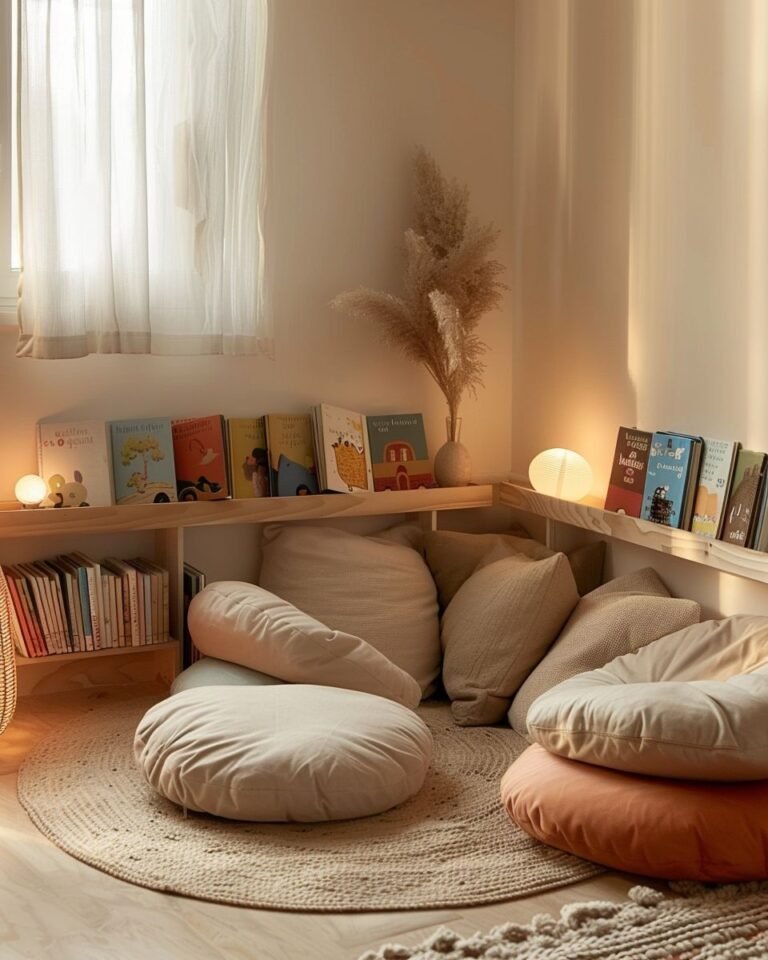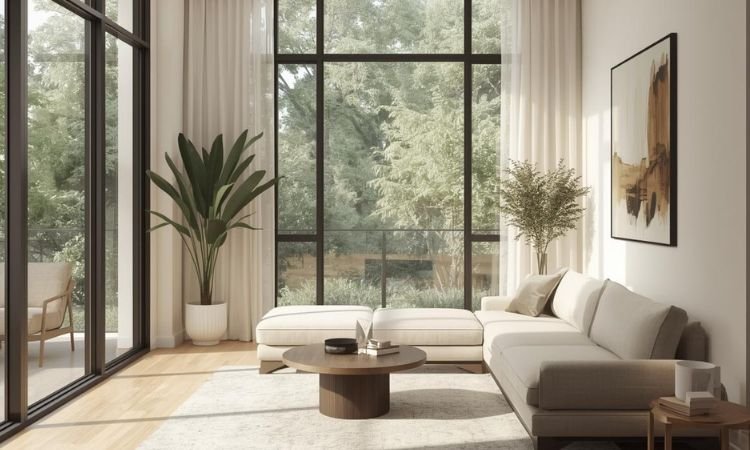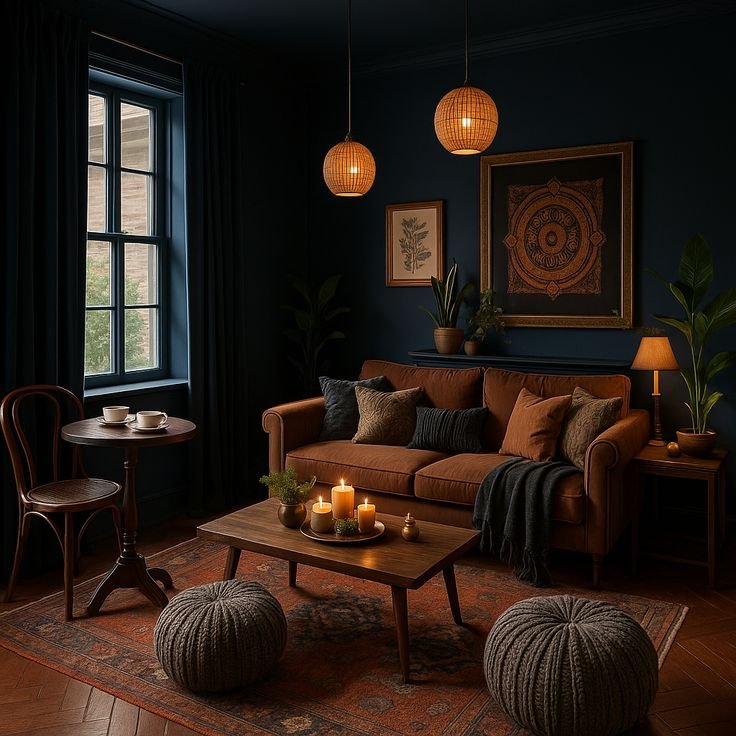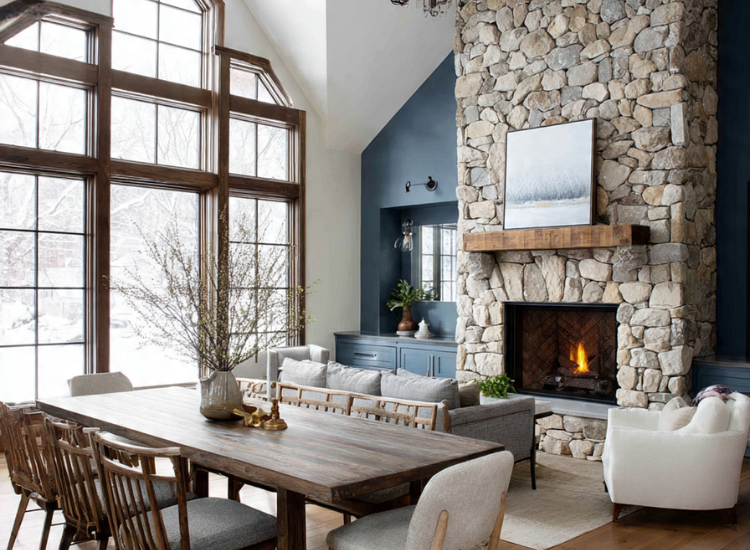
Open-plan lounge dining rooms averaging 250-350 square feet serve dual purposes, yet 68% of homeowners struggle defining separate zones.
Strategic furniture placement with area rugs measuring 8×10 or 9×12 feet visually separates spaces while maintaining flow between lounging and dining areas.
In this guide, we’ll explore zone-defining strategies, furniture arrangements, lighting techniques, and design cohesion methods to create lounge dining rooms balancing relaxation with entertaining rather than creating conflicting awkward spaces serving neither purpose well.
Key points we’re exploring:
- Zone definition separating lounge from dining areas
- Furniture arrangements optimizing dual-purpose spaces
- Color schemes unifying while distinguishing zones
- Lighting strategies supporting different activities
- Storage solutions managing both functions
- Traffic flow maintaining comfortable circulation
Essential Qualities of Lounge Dining Room Design
Clear Zone Definition Prevents Functional Confusion: Area rugs, furniture placement, or subtle flooring changes defining separate 120-150 square foot lounging and dining zones within combined spaces create psychological boundaries enabling different activities that undefined open rooms prevent through conflicting furniture arrangements. It’s like room divisions where visual cues signal purpose changes. The defined territories allow comfortable relaxation in lounge zone without feeling dining table looming overhead while dining zone maintains formality that mixed-use spaces can’t achieve.
Cohesive Design Unifies Separate Zones: Consistent color palette with 60% main color, 30% secondary, and 10% accent across both zones prevents the disjointed appearance that completely different styles create making combined spaces feel like two rooms awkwardly merged rather than intentionally designed open plan. It’s like theme development where repetition creates harmony. The unified approach maintains visual flow while allowing zone-specific furniture and lighting serving different purposes.
Flexible Furniture Serves Dual Purposes: Expandable dining tables accommodating 6-8 guests when extended but compacting for daily use, storage ottomans, and nesting tables provide functionality both zones need without permanent furniture consuming space required for alternative use. It’s like transformer pieces where adaptability creates capacity. The multi-functional selections deliver necessary utility without overwhelming 250-350 square foot combined spaces with static single-purpose furniture.
Strategic Lighting Supports Different Moods: Overhead dining fixture with dimmer switch plus lounge floor lamps and table lamps create distinct lighting zones supporting formal dining requiring 300-500 lux illumination versus relaxed lounging needing 150-200 lux ambient lighting. It’s like theatrical lighting where different scenes require varied illumination. The layered approach enables appropriate atmosphere for each activity rather than single lighting level compromising both functions.
10 Lounge Dining Room Ideas
Create functional dual-purpose spaces with these lounge dining room ideas featuring solutions balancing both activities.
Rug Zone Definition
Use distinct area rugs defining lounge and dining territories within open space. Place 8×10 foot rug under seating group and separate 6×9 foot rug beneath dining table creating visual boundaries. Choose coordinating patterns or colors maintaining cohesion while signaling different zones.
Ensure dining rug extends 24-30 inches beyond table edges accommodating pulled-out chairs. Select flatweave or low-pile rugs simplifying chair movement. Costs run $400-$1,500 for quality coordinating rug pair. This lounge dining room idea creates clear zone separation.
Partial Wall Divider
Install half-wall or column partition measuring 42-48 inches high separating zones without blocking sightlines or natural light. The architectural element defines territories while maintaining open feeling. Include display shelf atop half-wall providing functional surface both sides access.
Paint divider matching main wall color or use contrasting accent creating focal point. Consider open shelving units serving as see-through dividers. Expect costs $800-$2,500 for custom partial wall installation. This lounge dining room idea adds subtle physical separation.
Furniture Arrangement Angles
Position lounge sofa perpendicular to dining area creating natural division through furniture orientation. The angled placement with sofa back toward dining zone defines territories without walls while maintaining conversation flow between spaces. Add console table behind sofa separating zones functionally.
Ensure adequate walkway width between zones maintaining 36-42 inch clearances. Include area rugs reinforcing furniture-defined zones. Costs minimal using existing furniture repositioned strategically. This lounge dining room idea uses layout creating separation.
Coordinated Color Blocking
Paint lounge zone in main color while dining area uses complementary accent shade creating subtle distinction. The color variation with 2-3 shades difference defines territories without harsh contrast disrupting visual flow. Choose colors from same family maintaining cohesion.
Include artwork and accessories incorporating both colors throughout space. Paint accent walls rather than entire zones preventing overwhelming color. Expect costs $300-$800 for professional painting. This lounge dining room idea uses color defining zones subtly.
Different Ceiling Treatments
Add tray ceiling, beams, or different paint color on dining zone ceiling distinguishing from lounge area overhead. The architectural detail creates definition without floor-level barriers while adding visual interest. Include different lighting fixtures reinforcing ceiling-defined zones.
Paint dining ceiling shade darker than lounge creating intimate atmosphere. Add crown molding or beams in one zone only. Costs range $600-$2,500 for ceiling treatments. This lounge dining room idea uses overhead architecture separating spaces.
Open Shelving Divider
Install floor-to-ceiling open shelving unit serving as see-through room divider between zones. The shelving measuring 72-84 inches tall with 12-18 inch depth provides storage both sides access while maintaining visual connection. Display books, plants, and decorative objects creating functional art piece.
Choose shelving with sturdy construction anchored to floor and ceiling. Paint coordinating with room colors. Expect costs $400-$1,200 for quality open shelving divider. This lounge dining room idea combines storage with zone definition.
Expandable Dining Table
Use extendable table measuring 36×60 inches daily expanding to 36×84 inches for entertaining. The flexible sizing allows compact daily footprint saving space while accommodating guests when needed. Choose styles with leaves storing within table or separately.
Include chairs nesting or stacking when not needed. Select tables with smooth extension mechanisms. Costs run $600-$2,000 for quality expandable dining tables. This lounge dining room idea provides dining flexibility.
Multifunctional Furniture
Include storage ottoman, nesting tables, and convertible pieces serving both zones. The dual-purpose furniture eliminates separate lounging and dining storage reducing total furniture quantity. Choose ottomans with trays converting to coffee tables or extra dining seating.
Select pieces maintaining cohesive style across both zones. Ensure adequate storage capacity for both functions. Expect costs $400-$1,200 for multifunctional furniture collection. This lounge dining room idea maximizes space efficiency.
Lighting Layer Separation
Install statement chandelier over dining table with separate floor and table lamps in lounge zone. The distinct lighting creating 300-400 lux over dining versus 150-200 lux lounge ambient allows appropriate illumination for different activities. Include dimmer switches enabling mood adjustment.
Position lounge lamps creating pools of light for reading or conversation. Choose fixtures coordinating stylistically while serving different purposes. Costs range $400-$1,500 for complete lighting plan. This lounge dining room idea uses illumination defining zones.
Sliding Barn Door
Add sliding barn door on ceiling track allowing complete zone separation when needed. The movable partition with 84-96 inch height provides flexibility closing off dining during meal prep or opening for entertaining. Choose door style complementing room aesthetic.
Include soft-close mechanisms preventing slam damage. Paint or finish door coordinating with space. Expect costs $500-$1,500 for quality sliding door installation. This lounge dining room idea offers ultimate flexibility.
Designing Successful Lounge Dining Rooms
Maintain Consistent Flooring: Use same flooring throughout both zones creating visual continuity while rugs define territories preventing the abrupt transitions that different floor materials create. It’s like foundation consistency where base unifies varied uses. The continuous flooring maintains spacious feeling that multiple surfaces fragment.
Plan Traffic Flow Carefully: Ensure 42-48 inch circulation paths between zones allowing comfortable movement without bottlenecks that poorly planned furniture creates. It’s like hallway design where clearance determines usability. The adequate spacing prevents the cramped feeling that overfurnishing causes.
Consider Sightlines from Both Zones: Arrange furniture ensuring pleasant views from lounge to dining and vice versa rather than awkward angles or backs of furniture dominating views. It’s like camera angles where perspective matters. The thoughtful arrangement creates cohesive space rather than divided territories.
Coordinate Window Treatments: Use consistent curtains or blinds throughout combined space maintaining visual unity while allowing zone-specific light control if needed. It’s like costume design where consistency creates ensemble. The unified treatments prevent the choppy appearance that different window coverings create.
Frequently Asked Questions About Lounge Dining Rooms
How Do You Separate Lounge From Dining Area?
Use area rugs, furniture arrangement, lighting differences, or subtle color variations defining zones without walls. Physical dividers like open shelving or half-walls work when greater separation needed. Consistent design unifies while strategic differences distinguish purposes.
Zone definition balances separation with openness. The approach depends on space size and how formally zones need distinguishing.
What Size Rug Works for Combined Spaces?
Lounge zones need 8×10 or 9×12 foot rugs accommodating seating group with all furniture front legs on rug. Dining areas require rugs extending 24-30 inches beyond table edges when chairs pulled out—typically 8×10 feet for 6-person tables.
Measure furniture placement before purchasing ensuring adequate rug coverage. The proper sizing creates polished appearance versus too-small rugs appearing accidental.
Can You Use Different Furniture Styles?
Mixing styles works when unified through consistent color palette, similar wood tones, or repeated accent colors. Completely different aesthetics—modern lounge with traditional dining—create jarring transitions unless expertly executed with strong unifying elements.
Cohesive design with subtle variation works better than dramatic style shifts. The balanced approach creates intentional rather than confused appearance.
How Much Space Do You Need?
Minimum 250 square feet allows basic lounge and dining zones with necessary circulation. Comfortable combined spaces measure 300-400 square feet accommodating generous furniture and movement. Larger 400+ square foot rooms enable more formal zone separation.
Space constraints require careful furniture scaling and strategic arrangements. The planning maximizes whatever square footage available.
What About Acoustics in Open Spaces?
Add area rugs, upholstered furniture, curtains, and soft accessories absorbing sound preventing echo that hard surfaces create in open spaces. Include acoustic panels disguised as artwork if excessive noise remains problematic. Avoid all-hard-surface rooms amplifying every sound.
Sound management becomes more critical in combined spaces where different activities occur. The acoustic attention prevents conversation and entertainment noise conflicts.
Creating Your Lounge Dining Room
Lounge dining room ideas reveal that clear zone definition combined with cohesive design creates functional dual-purpose spaces. Strategic furniture placement with appropriate lighting enables comfortable relaxation and formal dining within combined rooms maintaining distinct atmospheres for different activities.
Start by planning zones considering traffic flow and natural light. Use rugs or furniture arrangement defining territories while consistent color palette unifies space. Include flexible lighting supporting varied activities.
What challenge affects your combined lounge dining space most? Share your open-plan room concerns below!
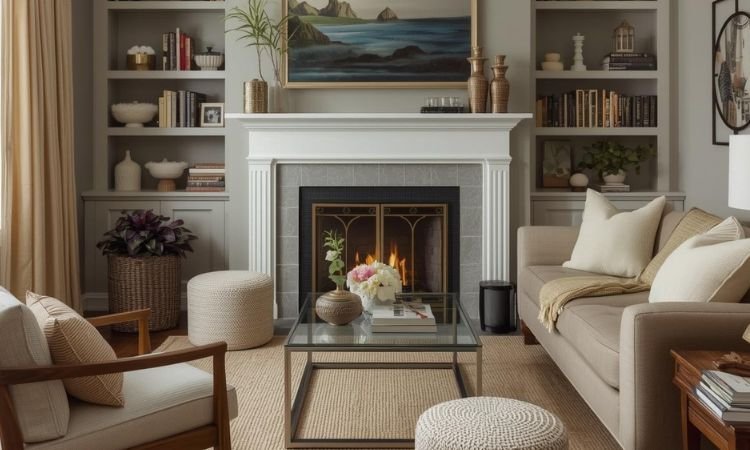
Small lounge rooms—under 150 square feet—need furniture that actually fits, storage that doesn’t overwhelm, and layouts that let you move without playing furniture Tetris.
The setup fails when oversized sofas eat the room or when trying to cram every living room function into minimal square footage leaves you with cluttered chaos instead of cozy space.
Here’s what we’re covering:
- Space-maximizing furniture choices
- Layout strategies for tight spaces
- Multi-functional pieces earning their footprint
- Visual tricks making rooms feel larger
- Storage solutions that don’t crowd
- Color and lighting approaches
What Makes Small Lounge Rooms Actually Work
Furniture Scale Matches Room Reality: Using apartment-sized sofas and compact chairs instead of standard furniture prevents that overcrowded feeling where you’re squeezing between pieces—proper scale leaves breathing room even in tight spaces. It’s like wearing clothes that fit instead of sizes too big. The proportional approach makes small rooms feel intentional not cramped.
Multi-Function Pieces Justify Space Usage: Every item needs to earn its footprint through multiple uses—ottomans with storage, sofa beds for guests, nesting tables that expand when needed—because single-purpose furniture is a luxury small spaces can’t afford. It’s like having a Swiss Army knife instead of separate tools. The versatile thinking maximizes limited square footage.
Clear Pathways Maintain Flow: Leaving at least 24-30 inches for walking paths prevents that trapped feeling where you’re climbing over furniture reaching the couch—open circulation makes small rooms feel bigger than cramming in extra seating. It’s like hallways in a house versus obstacle courses. The traffic flow keeps spaces livable.
Light Colors and Reflective Surfaces Expand Space: Using lighter palettes, mirrors, and glass elements tricks the eye into perceiving more space while dark walls and heavy furniture make small rooms feel even smaller. It’s like the difference between windows and solid walls. The visual expansion compensates for actual dimensions.
10 Small Lounge Room Ideas
Make your compact space work with these small lounge room ideas that maximize every square foot.
Apartment-Scale Sectional Sofa
Choose sectionals designed for small spaces—72-84 inches total instead of massive 100+ inch versions—creating seating without overwhelming the room. The compact L-shape provides lounging space while corner placement leaves floor area open. It’s like right-sizing your main furniture piece.
Look for models with exposed legs creating visual lightness versus heavy skirted bases. Include built-in storage if possible. Apartment sectionals run $600-$1,500. These small lounge room ideas start with properly-scaled seating.
Wall-Mounted Floating Shelves
Install floating shelves instead of bulky bookcases or entertainment centers using vertical wall space for storage and display. The mounted approach keeps floor space open while providing necessary storage without visual weight. It’s like using air space nobody thinks about.
Arrange shelves asymmetrically adding visual interest. Keep styling minimal preventing cluttered appearance. Floating shelf sets cost $40-$120. These small lounge room ideas free up valuable floor area.
Nesting Table Set
Use nesting tables that stack together when not needed but separate for extra surface area during gatherings. The flexible tables provide functionality without permanent space commitment. It’s like having optional furniture that appears when useful.
Choose sets with varying heights for versatility. Store smaller tables under largest when not entertaining. Nesting sets run $80-$250. These small lounge room ideas offer adaptable surface space.
Leggy Furniture Creating Openness
Select sofas, chairs, and tables with exposed legs raising furniture off the floor versus solid-to-ground pieces. The visible floor underneath creates airiness making rooms feel less crowded. It’s like the difference between floating and grounded furniture.
Look for pieces with slim legs in metal or wood. Avoid heavy upholstered bases touching floors. This design approach costs nothing but changes everything visually.
Large Mirror Placement
Mount an oversized mirror on the main wall reflecting light and views creating the illusion of doubled space. The mirror trick makes small rooms feel significantly larger through visual expansion. It’s like adding a window that reflects your room.
Position mirrors opposite windows maximizing natural light reflection. Choose frameless or slim-framed styles. Large mirrors cost $100-$400. These small lounge room ideas use optical illusions effectively.
Multi-Purpose Ottoman Storage
Replace coffee tables with upholstered storage ottomans providing seating, footrest, table surface with tray, and hidden storage simultaneously. The four-in-one piece justifies its footprint through versatility. It’s like furniture that works overtime.
Choose ottomans with lift tops for easy access. Size appropriately—36-40 inches works in most small lounges. Storage ottomans run $150-$400. These small lounge room ideas maximize function per square foot.
Vertical Storage Tower
Use tall narrow bookcases or storage towers utilizing vertical space instead of spreading storage horizontally across walls. The upward approach provides storage capacity without eating floor space. It’s like building up not out.
Choose units 12-18 inches deep preventing room intrusion. Fill with decorative storage boxes containing clutter. Tall storage units cost $100-$350. These small lounge room ideas use height strategically.
Armless Accent Chairs
Add seating through armless chairs or slipper chairs taking up less width than traditional armchairs while still providing extra seats. The streamlined profile fits tight spaces without bulk. It’s like chairs on a diet.
Place in corners or beside sofas for flexible arrangements. Choose lightweight designs that move easily. Armless chairs run $200-$500. These small lounge room ideas add seating without overwhelming space.
Wall-Mounted TV Installation
Mount your TV on the wall eliminating bulky entertainment centers freeing up significant floor space for other uses. The floating screen keeps technology accessible without dedicated furniture. It’s like getting back an entire wall of space.
Hide cords through wall channels for clean appearance. Add small floating shelf below for components. TV mounts cost $50-$150 plus installation. These small lounge room ideas reclaim wasted floor area.
Light Color Palette
Paint walls in light neutrals—whites, soft grays, pale blues—making small rooms feel open and airy versus dark colors that close in spaces. The bright palette reflects light expanding perceived dimensions. It’s like opening windows even on solid walls.
Carry light colors through furniture and accessories. Add darker accents sparingly for depth. Paint costs $30-$50 per gallon covering 400 square feet. These small lounge room ideas use color psychology.
Making Your Small Lounge Work
Measure Everything First: Know your exact room dimensions and doorway widths before buying furniture—attempting to fit standard-sized pieces into small spaces leads to overcrowding or delivery nightmares with furniture that won’t fit through doors. The measurement discipline prevents expensive mistakes.
Prioritize What Matters Most: Decide whether you need maximum seating, entertainment setup, or storage space then design around that priority—trying to accommodate everything equally in small spaces creates watered-down solutions satisfying nothing. The focused approach makes rooms work for your actual lifestyle.
Edit Ruthlessly: Keep only furniture and decor serving clear purposes removing anything that’s just taking up space—small rooms show clutter immediately so discipline about what stays makes massive difference. The minimalist mindset prevents accumulation overwhelming your space.
Use Vertical Space Aggressively: Look up whenever considering storage or display—walls from waist height to ceiling offer valuable real estate most people ignore while fighting for floor space. The vertical thinking multiplies usable area.
Real Questions About Small Lounges
What Size Sofa Fits Small Lounges?
Look for sofas 72-84 inches long versus standard 90+ inch models. Apartment-scale furniture designed specifically for small spaces provides comfort without overwhelming rooms. Measure your space leaving 30 inches minimum for walkways.
Consider loveseats (58-64 inches) if space is really tight. You can always add accent chairs for flexible seating.
How Do You Arrange Furniture in Small Lounges?
Float furniture away from walls creating intimate conversation areas—pushing everything against walls actually makes rooms feel smaller. Create clear pathways through space. Use corner placements maximizing usable floor area.
Angle furniture occasionally instead of always parallel to walls. The varied placement adds visual interest while sometimes fitting better.
What Colors Make Small Rooms Feel Bigger?
Light neutrals—white, cream, soft gray, pale blue—reflect light making spaces feel open. Monochromatic schemes (different shades of one color) create visual continuity expanding perceived space. Avoid dark walls in small lounges.
You can add darker accent colors through accessories and small furniture pieces without overwhelming the space.
Can You Have Coffee Tables in Small Lounges?
Yes, but choose wisely—glass tops create visual lightness, nesting or lift-top designs add flexibility, and proper scale (36-42 inches max) prevents overwhelming. Consider ottomans instead offering storage and surface flexibility.
Leave 14-18 inches between sofa and coffee table for comfortable legroom without crowding.
How Much Furniture Is Too Much?
If you’re squeezing between pieces, bumping into furniture walking through, or feeling claustrophobic, you’ve got too much. Aim for 50-60% of floor space remaining open after furniture placement.
Less furniture with better quality and multi-function pieces beats cramming in more pieces that crowd your space.
Creating Your Comfortable Small Lounge
Small lounge rooms work when you’re honest about what actually fits and ruthless about removing what doesn’t. The effective approach uses properly-scaled furniture, vertical storage, and visual tricks creating comfortable spaces that feel intentional not cramped.
Start by measuring your space and mapping out realistic furniture placement before buying anything. Choose multi-functional pieces earning their footprint through versatility. Keep colors light, use mirrors strategically, and resist the urge to fill every inch—breathing room makes small spaces livable.
What’s your biggest challenge with your small lounge? Share in the comments!