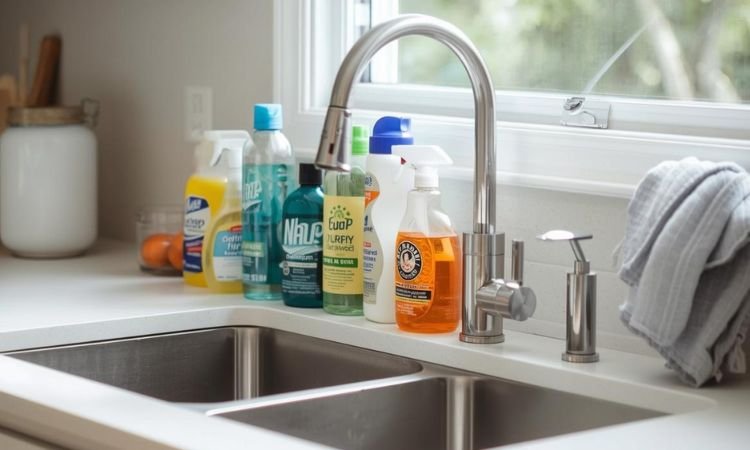
Kitchen sink areas account for 40% of kitchen clutter according to home organization studies with 65% of homeowners reporting constant disarray around sinks despite purchasing organizational products. The problem occurs when solutions ignore daily workflows—soap bottles tip over, sponges breed bacteria sitting in water, scrub brushes lack dedicated homes creating perpetual countertop mess.
Kitchen sink organization ideas reveal which systems maintain order through actual use versus picture-perfect arrangements that collapse within days. The best setups combine accessible storage with drainage considerations creating sink areas that stay functional and tidy without constant reorganizing.
We’re covering 10 kitchen sink organization ideas featuring practical systems that work with real kitchen routines. These proven approaches balance convenience with cleanliness providing the lasting organization that makes sink areas pleasant rather than perpetual eyesores.
Key points we’re exploring:
- Storage solutions keeping essentials accessible yet contained
- Drainage systems preventing mildew and bacterial growth
- Space-maximizing arrangements for compact sink areas
- Material selections withstanding constant moisture
- Workflow optimization reducing countertop clutter
- Budget-friendly options versus premium systems
Essential Qualities of Kitchen Sink Organization
Drainage Prevents Mildew and Odors: Organizational tools with ventilation holes, sloped surfaces, or elevated designs allow sponges and brushes drying between uses preventing the soggy bacterial growth that creates smell and hygiene issues within 2-3 days. It’s like dish racks where air circulation prevents problems. The proper drainage maintains sanitary conditions around cleaning tools.
Easy Access Supports Consistent Use: Items requiring two hands or moving obstacles to retrieve get abandoned on counters within weeks regardless of organizational intentions. It’s like gym equipment where inconvenience kills habits. The one-handed accessibility ensures systems get used rather than ignored.
Appropriate Capacity Matches Real Needs: Organizers holding 2-3 items when households actually use 5-6 different tools force overflow onto counters defeating organizational purpose. It’s like closets where insufficient space creates mess. The realistic capacity planning prevents system failure through undersizing.
Water-Resistant Materials Withstand Environment: Moisture-exposed organizers require stainless steel, silicone, or sealed plastic construction as wood, fabric, or unsealed materials deteriorate within months from constant splashing and humidity. It’s like shower caddies where material durability determines lifespan. The appropriate materials maintain appearance and function through continuous water exposure.
10 Kitchen Sink Organization Ideas
Create functional tidy sink areas with these kitchen sink organization ideas featuring systems that maintain order through daily use.
Sink Caddy with Drainage
Use sink-mounted caddies with perforated bottoms holding sponges, brushes, and soap while allowing water draining into sink. The over-sink positioning keeps counters clear while gravity drainage prevents mildew buildup. It’s like shower organizers where placement and drainage combine.
Choose stainless steel or rust-resistant coated wire preventing corrosion. Include adjustable dividers accommodating different tool sizes. Costs run $15-$35 for quality caddies. This kitchen sink organization classic delivers basic functionality reliably.
Under-Sink Pull-Out Drawer
Install pull-out drawer systems beneath sinks organizing cleaning supplies, trash bags, and dishwasher pods in accessible compartments. The sliding mechanism brings items forward eliminating cabinet diving while maximizing awkward under-sink space. It’s like file drawers where pull-out beats reach-in.
Choose moisture-resistant materials and smooth gliding hardware. Include adjustable dividers customizing storage. Expect costs $40-$120 for quality pull-out systems. This kitchen sink organization maximizes hidden storage efficiently.
Magnetic Strip Tool Holder
Mount magnetic knife strips on backsplash or side cabinet panels holding metal cleaning tools, scissors, and bottle openers. The vertical magnetic storage keeps frequently used items visible and accessible while freeing counter and drawer space. It’s like tool pegboards where visible storage improves access.
Position 6-8 inches above counter preventing water splash damage. Choose stainless strips matching kitchen finishes. Costs range $10-$25 per strip. This kitchen sink organization uses vertical space creatively.
Tension Rod Bottle Storage
Install tension rods inside sink cabinet doors hanging spray bottles by triggers. The suspended storage doubles cabinet capacity while keeping bottles organized and preventing tip-over mess. It’s like hanging closets where vertical space multiplies storage.
Choose adjustable tension rods fitting various cabinet widths. Ensure adequate clearance for door closing with bottles attached. Expect costs $8-$15 per rod. This kitchen sink organization solves spray bottle chaos inexpensively.
Countertop Soap Dispenser
Replace individual soap bottles with built-in or countertop pump dispensers providing streamlined appearance and one-handed operation. The permanent fixtures eliminate bottle clutter while larger reservoirs reduce refill frequency. It’s like bathroom dispensers where built-in beats bottles.
Choose models with 12+ ounce capacity reducing maintenance. Stainless or matte finishes hide water spots better than chrome. Costs run $20-$60 for quality dispensers. This kitchen sink organization creates clean minimalist aesthetic.
Dish Drying Mat with Channels
Use silicone drying mats with raised channels directing water toward sink rather than pooling under dishes. The flexible mats provide generous drying space when needed and roll for compact storage when not in use. It’s like drainage boards where design prevents standing water.
Choose heat-resistant silicone withstanding hot pots and dishwasher cleaning. Select neutral colors hiding stains. Expect costs $15-$30 for quality mats. This kitchen sink organization provides flexible drying capacity.
Corner Sink Organizer
Utilize corner sink designs with triangular organizers fitting snugly in angles maximizing otherwise wasted space. The corner-specific caddies hold surprising capacity while keeping items accessible from both sink sides. It’s like corner shelves where geometry creates opportunity.
Ensure proper fit measuring corner angles before purchasing. Choose rust-resistant materials and adequate drainage. Costs range $20-$45 for corner-specific organizers. This kitchen sink organization optimizes unique sink configurations.
Hanging Basket System
Suspend wire or mesh baskets from cabinet bottoms beneath sinks creating layered storage for cleaning supplies. The hanging approach uses vertical space while maintaining access to items below. It’s like closet organizers where stacking multiplies capacity.
Install with damage-free adhesive hooks or small screws depending on weight. Choose coated wire preventing rust. Expect costs $12-$30 per basket. This kitchen sink organization adds storage without cabinet modifications.
Expandable Drawer Dividers
Organize sink-adjacent drawers with adjustable dividers creating custom compartments for utensils, towels, and small tools. The expandable systems fit various drawer sizes while preventing the jumbled mess that accumulates without divisions. It’s like desk organizers where compartments maintain order.
Choose bamboo or plastic dividers withstanding occasional moisture exposure. Adjust as needs change over time. Costs run $15-$40 per drawer set. This kitchen sink organization brings order to adjacent storage.
Swing-Out Cabinet Organizer
Install swing-out shelving systems under sinks bringing entire cabinet contents into view with door opening. The pivoting shelves eliminate reaching into dark corners while maximizing usable space around plumbing obstacles. It’s like lazy susans where rotation improves access.
Measure plumbing carefully ensuring swing clearance. Choose sturdy construction supporting cleaning supply weight. Expect costs $50-$150 for quality swing-out systems. This kitchen sink organization transforms difficult cabinet access.
Implementing Sink Organization Systems
Purge Before Organizing: Remove expired products, duplicate tools, and rarely used items before installing organizational systems ensuring storage matches actual needs. It’s like decluttering where reduction precedes organization. The preliminary purge prevents organizing clutter rather than eliminating it.
Group by Use Frequency: Position daily-use items—dish soap, sponges, hand soap—in most accessible locations while relegating occasional supplies to less convenient storage. It’s like tool placement where frequency determines proximity. The strategic positioning reduces reaching and searching.
Establish Cleaning Routines: Wipe organizers weekly preventing soap scum and grime buildup that makes organizational systems grimy and unappealing. It’s like maintaining equipment where care extends lifespan. The regular cleaning keeps systems functional and attractive.
Reassess Quarterly: Evaluate organizational effectiveness every few months adjusting systems that aren’t working rather than forcing ineffective solutions. It’s like continuous improvement where adaptation beats stubbornness. The willingness to modify creates lasting organization.
Frequently Asked Questions About Kitchen Sink Organization
What Goes Under Kitchen Sink Versus Elsewhere?
Store items used at sink under sink—dishwasher pods, dish soap refills, garbage bags, basic cleaning supplies. Keep food, dishes, and rarely used items in other cabinets maximizing prime under-sink real estate for relevant supplies. The proximity principle determines optimal placement.
Avoid storing anything moisture-sensitive under sinks given leak risks and humidity. The cabinet location suits cleaning supplies tolerating occasional dampness better than food or paper products.
How Do You Organize Small Sink Areas?
Prioritize vertical storage with wall-mounted or over-sink organizers freeing limited counter space. Use slimline caddies matching compact sinks and install door-back organizers maximizing cabinet utility. Choose multi-function tools reducing total item quantity.
Small spaces benefit from ruthless editing keeping only essential frequently-used items. The minimalist approach prevents overwhelming compact areas with organizational attempts that create more clutter.
What About Sponge Sanitation?
Replace sponges weekly or sanitize every 2-3 days in microwave (damp sponge, 2 minutes) or dishwasher preventing bacterial buildup. Store in well-draining holders allowing complete drying between uses. Consider switching to dishcloths or silicone scrubbers for easier sanitizing.
Wet sponges breed bacteria within 24-48 hours regardless of organizational quality. The hygiene reality requires disposal or sanitizing beyond just storage solutions.
How Much Should You Spend on Sink Organization?
Basic functional organization costs $40-$80 using simple caddies, tension rods, and drawer dividers. Mid-range systems with pull-outs and specialized organizers run $100-$200. Premium installations with custom solutions reach $300-$500.
Start inexpensively testing what works for your routine before investing in permanent solutions. The trial approach prevents expensive mistakes when expensive systems don’t match actual habits.
Can You Organize Without Buying Products?
Yes—repurpose small baskets, boxes, or containers creating compartmentalized storage. Use adhesive hooks hanging tools inside cabinet doors. Install leftover curtain rods as tension dividers. The DIY approach costs nothing while testing organizational concepts.
Many households over-purchase organizational products when simple repurposing solves problems adequately. The creative reuse saves money while reducing waste.
Creating Your Organized Sink Area
Kitchen sink organization ideas reveal that lasting systems match daily routines rather than imposing idealized arrangements that real life disrupts. The drainage-conscious, accessibility-focused storage maintains order through actual use rather than requiring constant maintenance keeping picture-perfect but impractical systems functioning.
Start by observing current sink habits identifying what creates mess—items lacking homes, inadequate drying space, inaccessible storage—then address specific problems with targeted solutions. Choose durable moisture-appropriate materials given constant water exposure. The problem-solving approach creates personalized organization outlasting generic Pinterest-inspired systems.
What sink area frustration would you solve first? Share your kitchen organization challenges below!