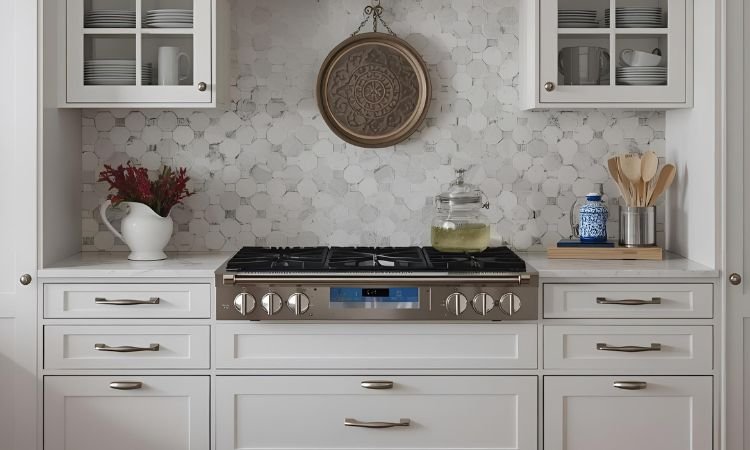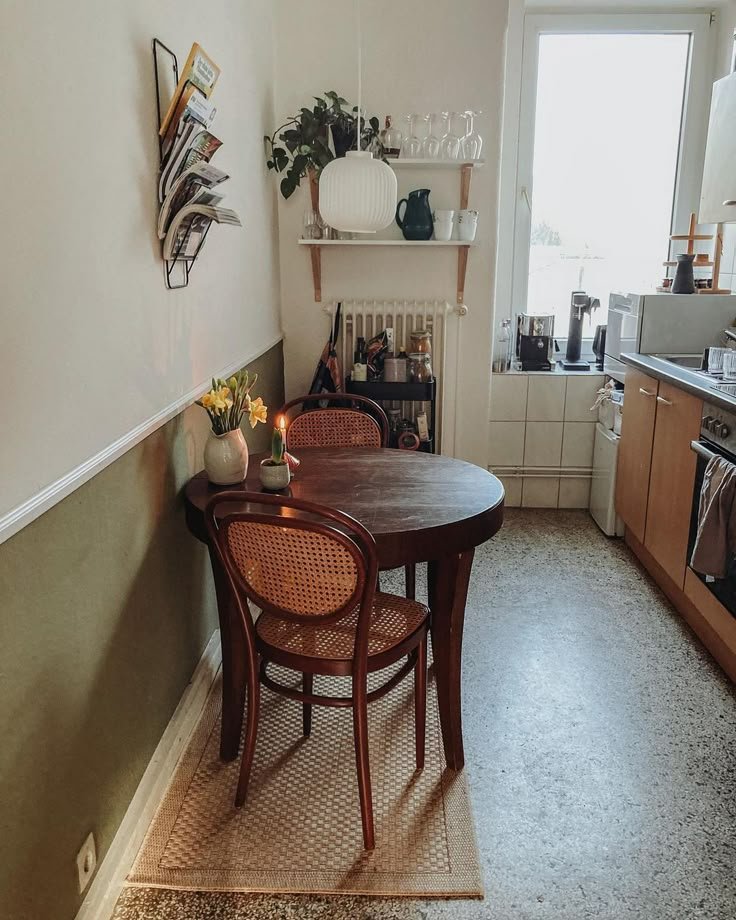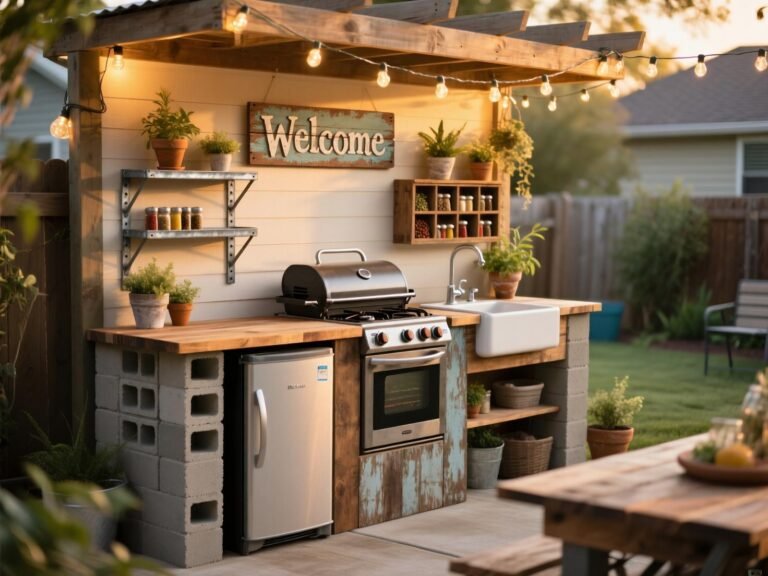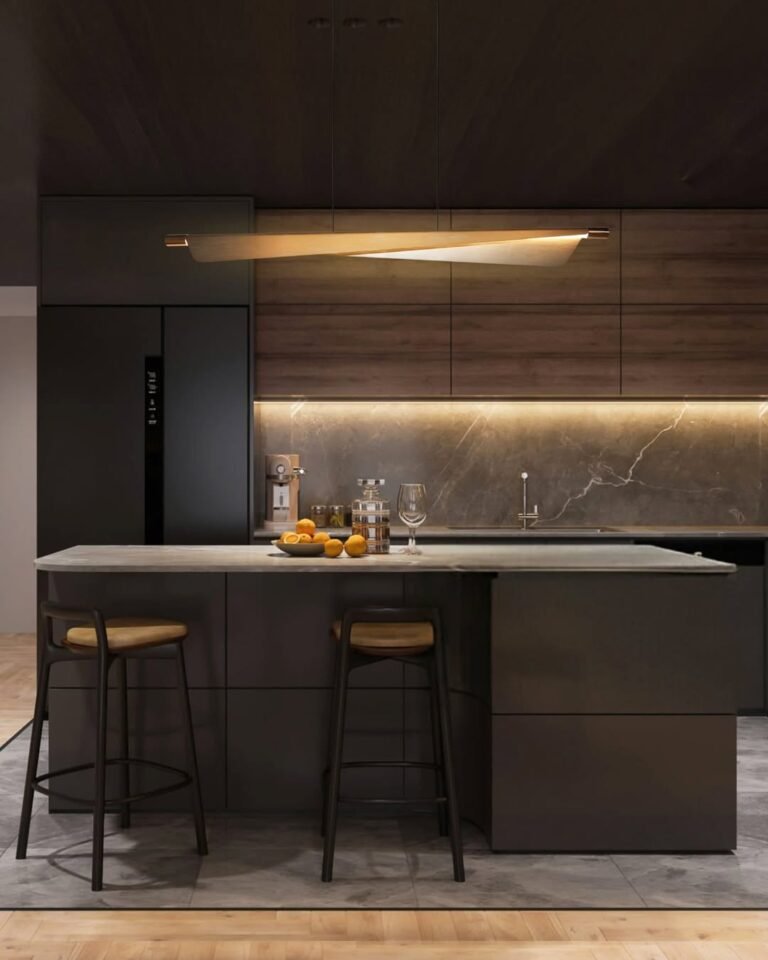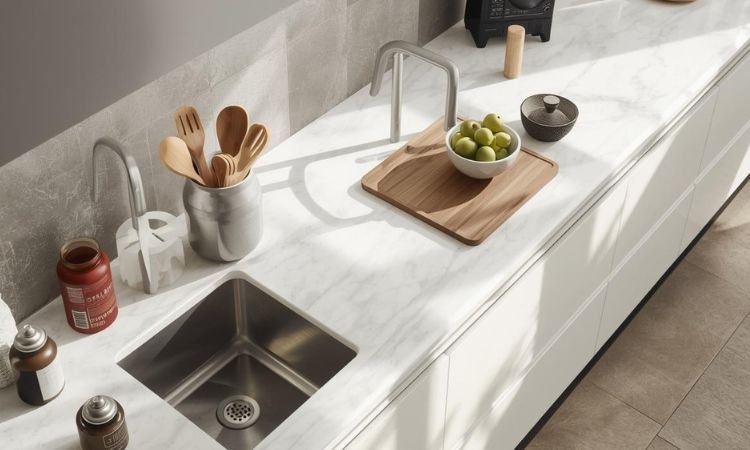
Kitchen usage studies show 81% of home cooks cite cluttered counters as their top frustration with the average kitchen counter holding 15-20 items simultaneously yet only needing 5-6 for daily cooking, creating the crowded chaos that turns simple meal prep into an obstacle course. The organization failures happen when counters become catch-all zones for mail, keys, and random stuff mixed with cooking essentials or when pretty canisters and decorative items consume the workspace you actually need for chopping vegetables.
Kitchen countertop organization strategies need to separate what genuinely belongs on counters from what’s just landed there out of habit. The systems that stick are the ones that keep your most-used items accessible while clearing enough space to actually spread out ingredients and work comfortably without playing Tetris every time you cook.
We’re covering 10 kitchen countertop organization ideas that work with real cooking patterns. These practical approaches clear visual clutter and physical space while keeping daily essentials within reach so you’re not constantly digging through cabinets mid-recipe.
Here’s what we’re digging into:
- Daily-use item placement that makes sense
- Vertical storage freeing up horizontal space
- Corner and dead space solutions
- Appliance management for clearer surfaces
- Decluttering strategies that actually stick
- Aesthetic organization that’s still functional
What Makes Countertop Organization Actually Last
Counter Real Estate Gets Assigned Purpose: Treating counters like they have unlimited space leads to gradual takeover by stuff that doesn’t belong there—designating specific zones for prep work, cooking, and landing spots prevents the everything-everywhere approach that creates chaos. It’s like having a desk where you know the work area from the inbox. The zoned thinking keeps counters from becoming dumping grounds.
Vertical Space Does the Heavy Lifting: Using wall space, backsplashes, and under-cabinet areas for storage instead of spreading everything across horizontal surfaces multiplies your usable area without making counters feel crowded. It’s like going up instead of out when space is tight. The vertical approach keeps frequently-used items close without sacrificing workspace.
What Stays Out Gets Edited Ruthlessly: If you haven’t used something in a week, it probably doesn’t deserve permanent counter residence—the bread maker gathering dust, the decorative bowl that just collects junk mail, the appliance you thought you’d use but haven’t touched in months. It’s like closet editing but for your kitchen. The honest assessment reveals what’s actually earning its spot.
Containers Contain, Not Just Decorate: Pretty jars and canisters only help if they’re actually corralling items you use regularly rather than taking up space as decoration—functional storage beats aesthetic clutter every time. It’s like the difference between storage that works and storage that just looks good on Pinterest. The practical approach keeps organization from becoming more clutter.
10 Kitchen Countertop Organization Ideas
Clear your workspace and keep it clear with these kitchen countertop organization ideas that handle daily cooking without constant tidying.
Tiered Corner Shelf Riser
Place a two or three-tier corner shelf riser in that dead corner space organizing oils, spices, and seasonings vertically. The stepped design uses vertical space efficiently while keeping everything visible and grabbable during cooking. It’s like stadium seating for your cooking essentials.
Choose risers with non-slip surfaces preventing bottles from sliding. Position frequently-used items on lower tiers with occasional-use items higher up. Corner risers run $15-$35. This kitchen countertop organization maximizes awkward corner zones that usually just collect random stuff.
Wall-Mounted Magnetic Knife Strip
Install a magnetic knife strip on your backsplash or side wall holding knives off the counter while keeping them immediately accessible. The mounted storage frees up counter space from knife blocks while displaying knives for quick selection. It’s like a tool rack but sharper.
Mount 12-18 inches from counter height for comfortable reach. Choose strips long enough for your knife collection—typically 12-20 inches. Magnetic strips cost $20-$40. This kitchen countertop organization clears bulky knife blocks while improving access.
Under-Cabinet Paper Towel Holder
Mount a paper towel holder underneath upper cabinets keeping rolls off the counter but right where you need them. The under-cabinet position uses unused space while maintaining easy one-handed tearing access. It’s like finding bonus storage you didn’t know you had.
Choose holders that swing down for roll changes. Position over primary prep area for convenience. Under-cabinet holders run $12-$25. This kitchen countertop organization gets a daily essential off surfaces without making it harder to reach.
Countertop Utensil Caddy Station
Use a single attractive utensil holder or caddy near the stove organizing your most-used cooking tools—spatulas, wooden spoons, tongs. The concentrated tool station keeps essentials within arm’s reach while containing them in one spot instead of scattered across counters. It’s like a desk organizer for cooking gear.
Choose caddies with drainage holes if tools get wet. Include only tools you grab multiple times weekly. Caddies cost $15-$45 depending on style. This kitchen countertop organization keeps cooking tools handy without the sprawl.
Tray Corralling System
Group items that tend to spread—dish soap, sponge, hand soap, scrub brush—on a single tray near the sink. The tray defines boundaries for necessary items while keeping drips contained and making the whole group easy to move when you need clear counter. It’s like a designated landing pad that prevents creep.
Choose trays with slight edges containing spills. Coordinate tray style with your kitchen aesthetic. Trays run $10-$30. This kitchen countertop organization creates visual calm even for items that must stay out.
Floating Shelf Above Counter
Install a narrow floating shelf 12-18 inches above your counter holding frequently-used items like salt, pepper, olive oil. The mid-level storage keeps items accessible without occupying counter surface while adding vertical storage right in your prep zone. It’s like giving yourself an extra counter level.
Keep shelf depth around 6-8 inches preventing items from looking cluttered. Limit to daily-use items only. Floating shelves cost $20-$50 installed. This kitchen countertop organization uses that awkward space between counter and upper cabinets.
Rolling Utility Cart
Keep a slim rolling cart tucked beside the counter pulling it out when you need extra workspace or staging area. The mobile surface provides overflow space for big cooking projects while rolling away when not needed. It’s like having a kitchen island that disappears.
Choose carts narrow enough to fit available floor space—typically 12-18 inches wide. Top tier becomes temporary counter extension. Carts run $40-$90. This kitchen countertop organization adds flexible workspace without permanent space commitment.
Backsplash Rail System
Mount a rail system with S-hooks on your backsplash hanging frequently-used items like measuring cups, small pots, or utensils. The rail approach uses vertical backsplash space keeping items off counters while remaining easily accessible. It’s like a customizable pegboard built into your backsplash.
Install rails at comfortable reaching height. Rearrange hooks as needs change. Rail systems cost $25-$60. This kitchen countertop organization transforms unused wall space into functional storage.
Appliance Garage
Dedicate a corner or cabinet section with roll-up door as an appliance garage for your coffee maker, toaster, or mixer. The contained space keeps appliances accessible and plugged in while hiding them behind doors when not in use. It’s like a tiny house for your counter appliances.
Include electrical outlets inside garage. Position at counter height for easy use. Custom garages run $200-$500 or DIY with existing cabinet. This kitchen countertop organization handles the appliance situation that clutters most counters.
Minimalist Open Storage
Place a single open shelf or small cabinet on the counter organizing your absolute daily essentials—coffee supplies, tea, or breakfast items. The defined container creates boundaries for what stays out while keeping everything corralled instead of spreading across surfaces. It’s like a mini pantry right on your counter.
Choose units matching your kitchen style. Limit contents to genuinely daily items. Open units run $30-$80. This kitchen countertop organization works when you need some items accessible but want them contained.
Setting Up Counter Organization That Works
Empty Counters Completely First: Clear everything off your counters—and I mean everything—so you’re looking at blank surfaces before deciding what actually needs to come back. It’s like starting with a clean slate instead of just rearranging the same clutter. The total reset shows you what you’re really working with.
Sort by Actual Usage Frequency: Make three piles—use daily, use weekly, use rarely—then only put daily items back on counters while weekly stuff goes in nearby cabinets and rarely-used items get stored elsewhere. It’s like being brutally honest about what you actually grab. The frequency sorting prevents aspirational items from camping on counters.
Assign Specific Zones: Designate which counter sections handle what—prep area near sink, cooking zone by stove, landing spot near door—so items have homes instead of just landing randomly wherever. It’s like room assignments that prevent overlap confusion. The zone approach stops the drift back to cluttered chaos.
Install Vertical Solutions Before Adding Back: Put up your shelves, rails, and under-cabinet storage first, then place items in their new homes rather than putting everything back on counters planning to add storage later. It’s like building the infrastructure before moving in. The vertical-first approach uses space you’re probably wasting right now.
Real Questions About Countertop Organization
How Much Counter Space Should Stay Empty?
Aim for at least 50% of your counter space completely clear for workspace—so if you’ve got six feet of counter, three feet should be open for prep work and cooking. Some kitchens can maintain even more clear space depending on storage options.
Empty counters aren’t just about aesthetics. You actually need that space to spread out ingredients, roll dough, or set down hot pans. The breathing room makes cooking less stressful.
What Actually Deserves Counter Space?
Items used multiple times daily earn counter spots—typically coffee maker, dish soap, utensil holder, cutting board. Weekly-use items belong in cabinets even if accessible. Decorative items that don’t serve cooking purposes are taking up workspace you might need.
Be honest about aspirational versus actual use. That fancy stand mixer you thought you’d use weekly but haven’t touched in months doesn’t deserve prime counter real estate.
How Do You Keep Counters From Getting Cluttered Again?
Create a landing zone for things that tend to accumulate—mail, keys, phones—somewhere that’s not your kitchen counter, and do a quick evening reset putting away items that migrated throughout the day. It’s like making your bed but for your kitchen.
The nightly five-minute reset prevents the gradual accumulation that brings back clutter. Once things pile up, they attract more piling.
What About Small Kitchen Counters?
Small counters demand even stricter editing—only absolute daily essentials stay out while everything else gets stored elsewhere. Maximize vertical storage using walls, backsplashes, and under-cabinet areas. Consider mobile carts adding temporary workspace.
Small spaces can’t handle the luxury of “just in case” items. You’ve got to be ruthless about what earns its spot.
Should Counters Match or Can You Mix Styles?
Mixing styles is totally fine as long as items are functional—a modern utensil holder next to vintage canisters works if both serve real purposes. What doesn’t work is random clutter regardless of style. Clean and useful beats perfectly matched but crowded.
Your kitchen should work for you first, look pretty second. Function over Instagram-worthy every time.
Getting Your Counters Back
Kitchen countertop organization works when you’re realistic about what actually needs to stay out versus what’s just been camping there out of habit. The difference between organized and cluttered counters isn’t how much stuff you own—it’s about making conscious choices about what occupies your limited horizontal space. Systems that send items up walls instead of across counters or that create clear boundaries for necessary items maintain both accessibility and open workspace.
Start by clearing counters completely and only putting back items you genuinely used this past week. Send weekly-use items to nearby cabinets where they’re still accessible. Install vertical storage solutions using that empty wall and backsplash space that’s not doing anything right now. The intentional approach creates counters that stay clear because everything has a better home than just sitting out.
What’s taking over your counter space right now? Let’s hear it in the comments!