A floating staircase turns an ordinary climb between floors into a sculptural moment. By hiding or removing the supporting structure, each tread appears to hover in midair, creating openness and light in ways traditional staircases simply cannot match.
Whether you prefer warm timber, industrial steel, or minimalist glass, a floating staircase adapts to nearly any style. This collection of 19 standout pins covers materials, layouts, and detailing ideas to help you plan a staircase that feels effortless and looks unforgettable.
What Makes a Floating Staircase Feel Weightless
The magic of a floating staircase comes down to a few deliberate design choices.
- Hidden Support: Steel stringers or wall-mounted brackets carry the load out of sight.
- Open Risers: Removing riser boards lets light and sightlines pass between treads.
- Consistent Tread Depth: Uniform spacing keeps the flight looking calm and rhythmic.
- Material Contrast: Pairing warm wood treads with cool metal or glass adds depth.
- Wall Anchoring: A solid load-bearing wall is essential for cantilevered designs.
- Lighting Layers: LED strips or recessed lights under treads enhance the hovering effect.
- Railing Choice: Cable, glass, or slim steel rails keep the silhouette open.
- Pro Installation: Structural calculations should always come from a qualified engineer.
1. Minimalist Floating Staircase with Clean Lines
Imagine a floating staircase stripped down to pure geometry, where each tread seems to emerge directly from the wall. This minimalist approach removes visual clutter and lets the architecture speak for itself, making even a small entryway feel open and airy.
A design like this works best in bright, uncluttered spaces where the floating staircase becomes the quiet focal point rather than a busy feature.
2. Warm Wood Treads on a Floating Staircase
Picture thick oak treads cantilevered from a plastered wall, their grain catching the light as you climb. Wood softens the floating staircase concept, adding warmth that balances the bold engineering behind the invisible supports.
Pairing natural timber with neutral walls keeps the look timeless, while the open risers preserve that sense of lightness throughout the home.
3. Industrial Steel Floating Staircase for Loft Spaces
Discover how exposed steel stringers and raw metal treads give a floating staircase an unmistakably industrial edge. This style suits converted warehouses, lofts, and modern apartments where structure is celebrated rather than concealed.
Blackened steel paired with concrete or brick walls makes the floating staircase feel robust, urban, and perfectly at home in open-plan interiors.
4. Glass Railing Floating Staircase Ideas
Consider frameless glass panels that rise beside each tread, letting light flow uninterrupted across the room. A floating staircase with glass railing feels almost invisible, amplifying the illusion that the steps are suspended in open space.
This option works beautifully in contemporary homes where unobstructed views and bright, open volumes are a priority.
5. Cantilevered Concrete Floating Staircase
Anchor a floating staircase in poured concrete for a look that is both brutal and beautiful. Each thick tread projects from a reinforced wall, creating dramatic shadows and a sense of solid permanence despite the hovering effect.
Concrete treads suit minimalist and industrial interiors, especially when paired with soft lighting and warm accent materials nearby.
6. Space-Saving Floating Staircase for Small Homes
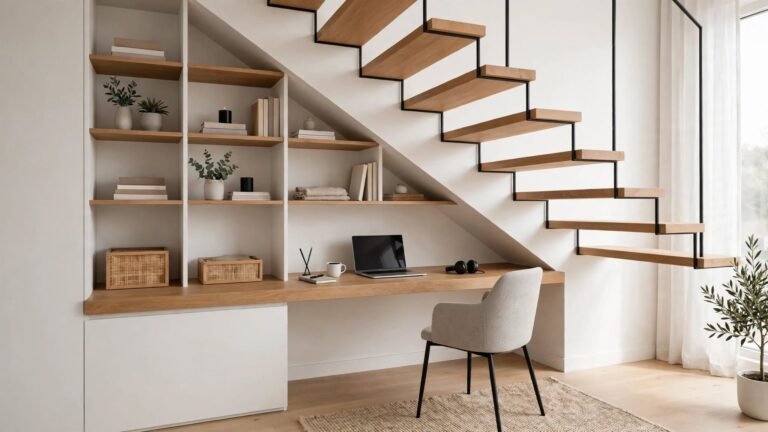
Layer a compact floating staircase into a tight floor plan and reclaim valuable square footage below. With no bulky base or closed stringer, the area beneath the steps can double as storage, a desk nook, or a display shelf.
Small homes benefit most from this design, since the floating staircase keeps sightlines open and the interior feeling larger.
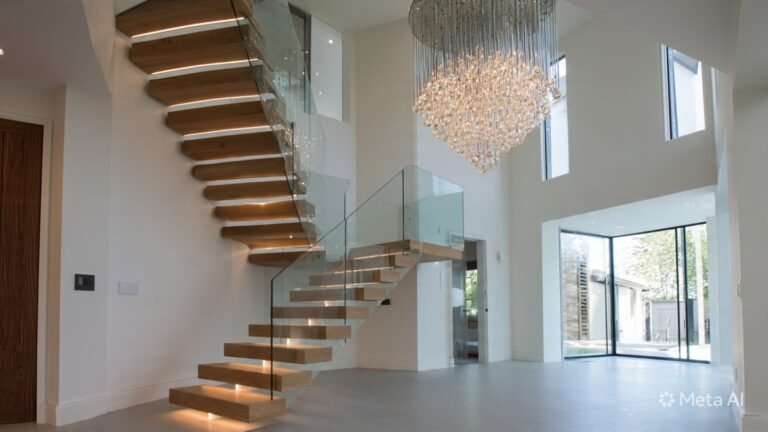
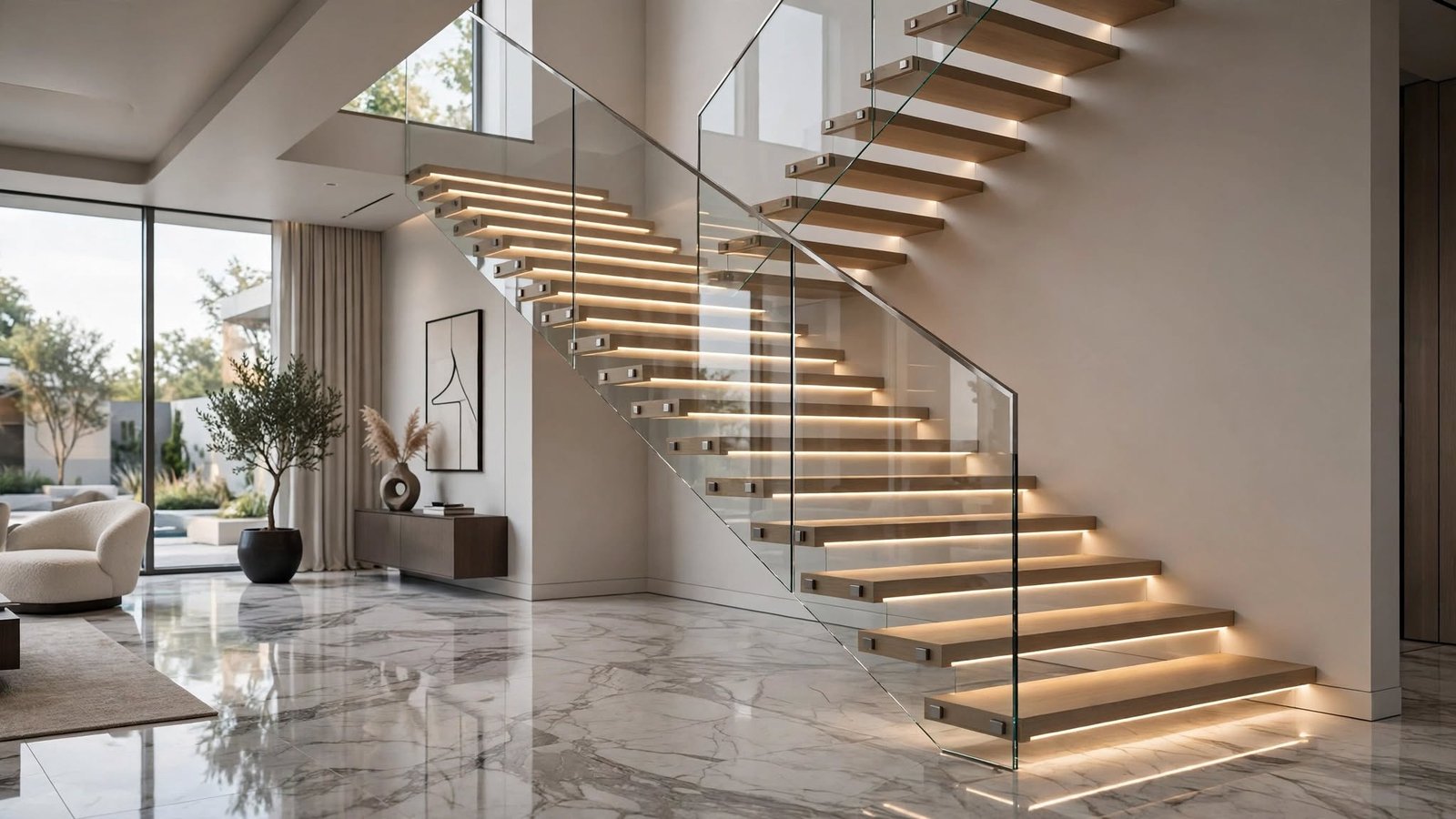
7. Floating Staircase with Hidden LED Lighting
Build ambient light directly into each step with recessed LED strips tucked beneath the treads. A floating staircase lit this way glows softly at night, guiding footsteps while emphasizing the gap between each hovering step.
Warm-white LEDs tend to flatter wood and stone, while cooler tones suit glass and polished metal finishes.
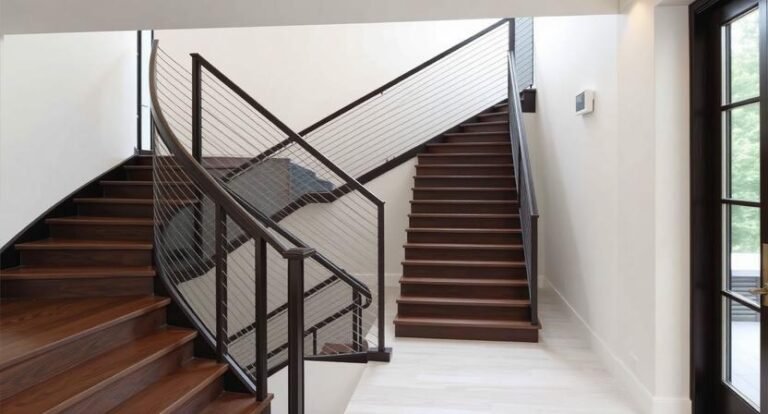
8. Modern Floating Staircase with Cable Railing
Bring a sleek, almost nautical feel to a floating staircase with slim horizontal cables stretched between posts. The thin lines nearly disappear, keeping the stair silhouette light while still providing a secure handhold.
Cable railing pairs especially well with steel spines and wood treads, bridging industrial and contemporary styles in one detail.
9. Floating Staircase with Open Risers and Oak Treads
Transform a standard flight into a floating staircase by removing the riser boards and letting daylight pass between each oak tread. The result is a lighter, more breathable stair that visually connects two levels.
Open risers demand precise spacing and clean joinery, but the airy payoff is well worth the extra craftsmanship.
10. Floating Staircase with a Central Steel Spine
Frame a single steel beam as the backbone of a floating staircase, with treads bolted to either side. This central spine approach allows the stair to stand freely in a room without relying on surrounding walls for support.
It is a striking choice for open-plan homes where the staircase acts as a sculptural divider between living zones.
11. Floating Staircase with Glass Treads
Explore the drama of laminated glass treads that seem to vanish underfoot, turning a floating staircase into a piece of kinetic art. Light passes straight through, casting soft reflections across floors and walls.
Glass treads suit very modern interiors and demand expert fabrication, but the transparent effect is unmatched.
12. Rustic Floating Staircase with Reclaimed Timber
Shape a floating staircase from reclaimed barn beams and thick, weathered planks for a warm, farmhouse-inspired look. The rough texture of old timber contrasts beautifully with the crisp geometry of cantilevered steps.
This style brings character to modern rustic homes, blending heritage materials with contemporary engineering.
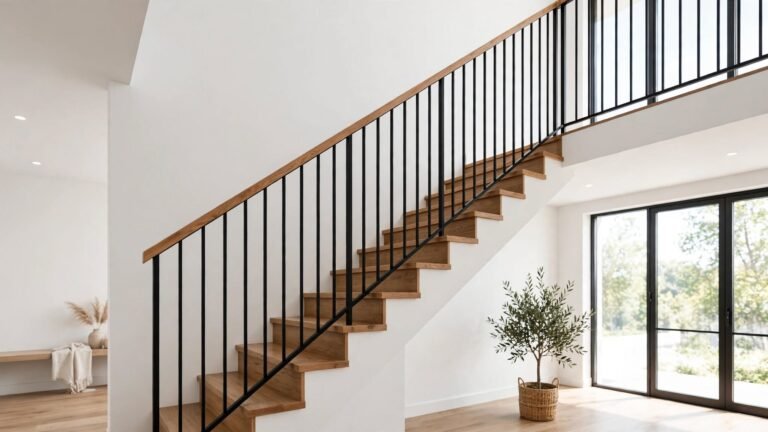
13. Floating Staircase with a Slim Metal Handrail
Define the edge of a floating staircase with a single slender handrail mounted to the wall or to thin vertical posts. The minimal profile keeps the design airy while adding a safe, comfortable grip.
Matte black or brushed brass rails can echo other fixtures in the room, tying the floating staircase into the wider interior palette.
14. Floating Staircase in a Double-Height Living Room
Introduce a floating staircase into a double-height living space and watch it become the room’s centerpiece. Climbing toward a mezzanine, the stair draws the eye upward and emphasizes the volume of the architecture.
In tall rooms, a floating staircase adds drama without blocking light, making the whole space feel grand yet welcoming.
15. Floating Staircase with Under-Stair Storage
Suspend each tread above a bank of built-in drawers or shelves and a floating staircase becomes a functional storage wall. Books, shoes, and display objects tuck neatly beneath the steps without cluttering the room.
This approach is ideal for apartments and family homes where every inch of floor space needs to work harder.
16. Floating Staircase with a Curved Sweep
Ground a curved floating staircase in a spiral or helical form, and the treads seem to float upward in a graceful arc. Curves soften the hard lines of modern interiors and invite movement through the space.
Curved floating staircases require precise engineering, but they deliver a sculptural quality that straight flights rarely match.
17. Floating Staircase with Blackened Steel and Walnut
Position blackened steel stringers against rich walnut treads, and a floating staircase gains a moody, sophisticated character. The dark metal recedes into shadow while the wood glows warmly underfoot.
This pairing works especially well in upscale urban interiors where contrast and material richness are key design goals.
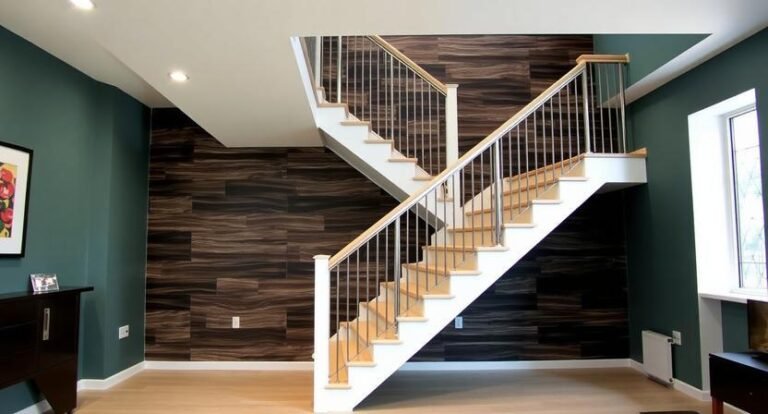
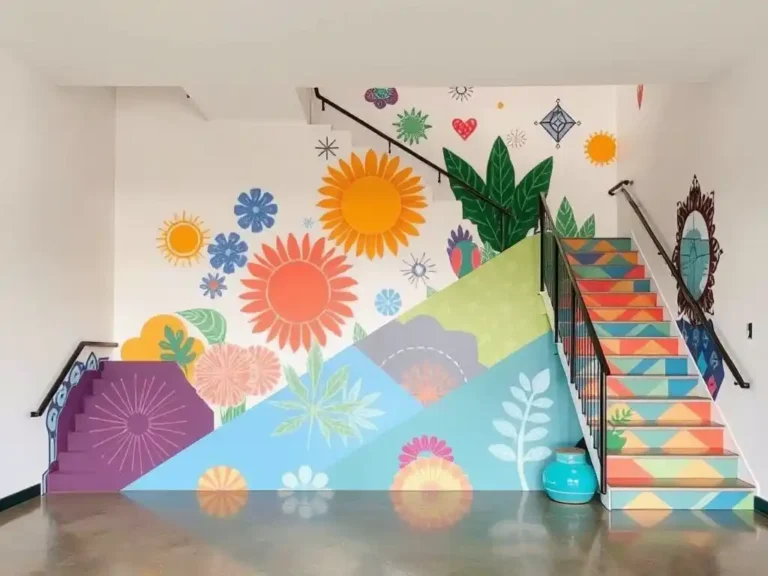
18. Floating Staircase with a Feature Wall Backdrop
Fill the wall behind a floating staircase with textured stone, slatted wood, or a bold mural, and every step becomes part of a larger composition. The backdrop frames the stair and highlights its hovering treads.
A feature wall adds depth and personality, turning the floating staircase into a genuine architectural statement.
19. Floating Staircase with a Minimalist White Finish
Place a white floating staircase in a bright, pared-back interior and the steps seem to dissolve into the walls. Subtle shadow lines between treads become the only visual cue that anything is there at all.
This all-white approach is perfect for Scandinavian and minimalist homes where calm, light, and simplicity lead the design.
Frequently Asked Questions
Q. Is a floating staircase safe for everyday family use?
Ans. Yes, when properly engineered, a floating staircase is just as safe as a traditional one.
Q. How much does a floating staircase cost to install?
Ans. A floating staircase typically costs more than a standard flight due to custom steelwork and labor.
Q. Can a floating staircase be added to an existing home?
Ans. Yes, a floating staircase can be retrofitted if a qualified engineer confirms the wall can carry the load.
Conclusion
A floating staircase is more than a way to move between floors. It is a design decision that shapes how light, space, and materials interact throughout your home, and the nineteen ideas above show just how versatile it can be.
From warm timber treads to glass and steel, the right floating staircase should match your style, your budget, and your structural reality. Start with a clear vision, consult a professional, and let your staircase become the quiet hero of the room.