Your walls are just plain painted surfaces doing nothing for your space. You walk past that big blank wall daily knowing it could look better but you’re stuck on what to do. Paint feels too permanent, wallpaper seems risky, and you’re not sure what actually works versus what just creates visual clutter.
Decorative wall treatments turn forgotten surfaces into room-defining features when done thoughtfully. I’m covering 10 design approaches from textured applications and dimensional installations to artistic treatments and budget-friendly updates.
You’ll see which wall designs make genuine impact, how to execute without professional help, what mistakes create messy results, and solutions working across design styles and budgets.
Why Decorative Walls Important
Focal Points Direct Attention: Featured walls draw eyes to intentional spots rather than letting them wander aimlessly. Visual anchors create room hierarchy and interest.
Texture Adds Dimension: Three-dimensional surfaces create depth flat paint can’t achieve. Tactile variety engages multiple senses beyond just sight.
Personal Style Shows: Decorated walls express taste and personality more than standard painted surfaces. Individual choices make generic spaces feel custom.
Architecture Gets Enhanced: Wall treatments highlight good bones or distract from problematic features. Strategic design improves overall room proportions and flow.
Decorative Wall Design Ideas That Transform Boring Blank Spaces
Create stunning feature walls with these decorative wall design ideas showcasing diverse approaches.
Geometric Painted Patterns
Create bold geometric designs using painter’s tape—chevrons, hexagons, or angular patterns adding graphic interest. The painted patterns cost almost nothing but deliver custom wallpaper vibes. It’s like temporary wallpaper where commitment stays low.
Use two coordinating paint colors creating contrast without overwhelming. Keep patterns relatively simple avoiding overly busy designs. This decorative wall design approach transforms walls affordably through creative taping and patience.
Wood Plank Accent Wall
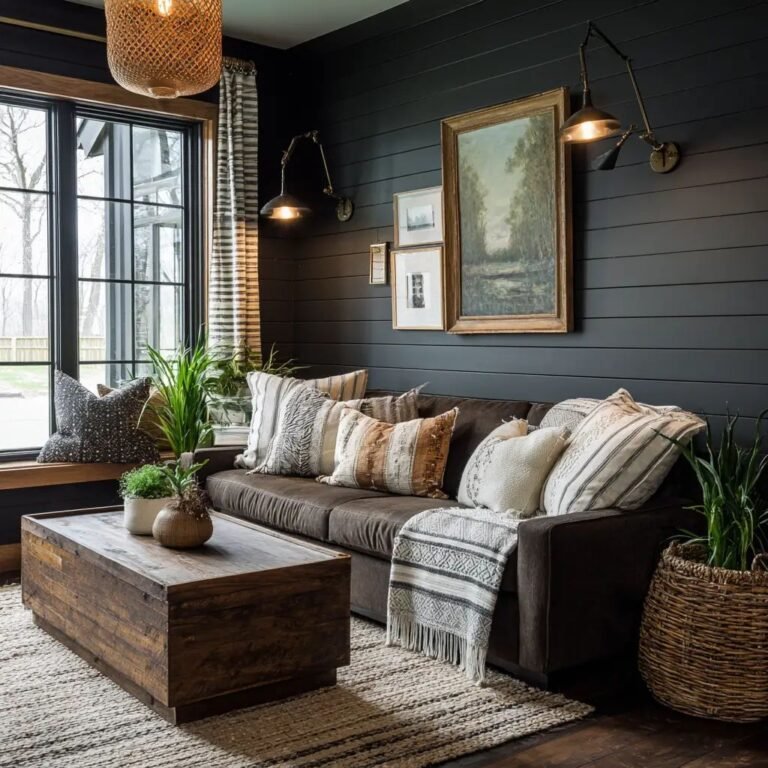
Install wood planks—shiplap, reclaimed boards, or plywood strips—creating texture and warmth. The dimensional wood adds organic character flat walls lack. It’s like bringing architecture where surfaces become features.
Run planks horizontally for width illusion or vertically for height emphasis. Stain natural or paint contemporary colors. This decorative wall design treatment adds substantial impact through material change.
Textured Wallpaper Application
Apply textured or patterned wallpaper creating instant drama without paint commitment. Modern peel-and-stick options make installation and removal easy. It’s like temporary tattoos where change comes without permanence.
Choose one accent wall rather than entire rooms preventing pattern overload. Grasscloth, geometric prints, or subtle textures all work. This decorative wall design solution delivers maximum impact with reasonable installation effort.
Gallery Wall Arrangement
Create curated gallery walls mixing frames, sizes, and artwork types. The collected display adds personality and visual interest to blank expanses. It’s like personal museums where your taste shows.
Lay out arrangements on floor before hanging ensuring balanced composition. Mix photos, art prints, and objects maintaining cohesive color palette. This decorative wall design classic works across all design styles.
Board And Batten Installation
Add vertical board and batten panels creating traditional architectural detail. The dimensional trim work transforms flat walls into featured surfaces. It’s like wainscoting where trim creates elegance.
Paint entire wall one color for subtle effect or contrast panels with background. Install from floor to ceiling or partial height. This decorative wall design upgrade adds perceived value through architectural enhancement.
Removable Wall Decals
Apply large-scale wall decals creating graphic impact without paint or construction. The vinyl graphics peel off cleanly making them renter-friendly. It’s like giant stickers where temporary becomes sophisticated.
Choose oversized botanical prints, geometric shapes, or abstract designs. Quality decals look painted rather than stuck-on. This decorative wall design option works perfectly for commitment-phobic decorators.
Textured Plaster Finish
Apply textured plaster or joint compound creating dimensional organic surfaces. The handworked finish adds Old World character and depth. It’s like European walls where imperfection becomes beauty.
Use trowels or brushes creating desired texture patterns. Paint or leave natural depending on aesthetic. This decorative wall design technique requires patience but delivers unique custom results.
Floating Shelf Display
Install floating shelves creating functional wall art through styled objects and books. The three-dimensional display adds both storage and visual interest. It’s like retail displays where arrangement becomes decor.
Style with books, plants, and decorative objects in curated groupings. Vary heights and depths creating visual rhythm. This decorative wall design approach combines beauty with practicality.
Fabric Panel Installation
Stretch fabric over frames creating soft upholstered wall panels. The textile treatment adds warmth, sound absorption, and luxe appearance. It’s like upholstered headboards expanded where softness transforms spaces.
Choose complementary fabrics in coordinating patterns or solids. Install in grid patterns or asymmetric arrangements. This decorative wall design solution works especially well in bedrooms or dining rooms.
Mirrors As Wall Features
Arrange multiple mirrors creating reflective feature walls expanding spaces visually. The mirrored surfaces bounce light while adding glamorous dimension. It’s like multiplying where reflection creates abundance.
Use matching frames for formal looks or mixed styles for eclectic vibes. Lean large mirrors or hang smaller ones in arrangements. This decorative wall design trick makes small rooms feel dramatically larger.
Common Mistakes And How To Avoid Them
Mistake: Decorating Every Wall
- Creates visual chaos with nowhere for eyes to rest
- Solution: Choose one accent wall per room letting others stay simple supporting the feature
Mistake: Ignoring Room Scale
- Small patterns disappear in large rooms while big patterns overwhelm small spaces
- Solution: Match pattern size to room dimensions—large rooms need bold designs, small rooms need subtler treatments
Mistake: Skipping Planning
- Jumping in without layout planning creates unbalanced awkward results
- Solution: Mock up arrangements on floor or use painter’s tape on walls testing before committing
Mistake: Choosing Trendy Over Timeless
- Super trendy treatments date quickly requiring redo within years
- Solution: Select classic approaches with personal twists maintaining appeal long-term
Mistake: Poor Execution
- Sloppy installation or application makes even good ideas look cheap
- Solution: Take time preparing surfaces properly and executing carefully—quality matters more than speed
Frequently Asked Questions About Decorative Wall Design
Should You Decorate All Walls Or Just One?
Accent one wall per room creating focal points without overwhelming spaces with competing designs. Decorating all walls creates visual chaos where eyes have nowhere to rest. The single featured wall makes intentional statements while other walls provide necessary visual breathing room.
Exceptions exist for small spaces like powder rooms where decorating all walls can create jewel-box effects. In open-concept spaces, you might accent multiple walls in different zones creating subtle separation. Generally though, the one-wall rule prevents overdone decorator showroom feelings that tire eyes and make rooms feel smaller.
What’s The Best Wall To Accent?
Choose the wall you see first entering the room—typically opposite the entry door. This natural focal point draws attention immediately creating strong first impressions. Alternatively, accent the wall behind your bed, sofa, or dining table where furniture naturally creates focus anyway.
Avoid accenting walls with lots of windows or doors since architectural interruptions fragment the design. Skip walls with thermostats, outlets, or other fixtures disrupting the treatment. The best accent wall offers uninterrupted surface area where featured design shows without competing with existing elements.
How Do You Choose Between Options?
Consider your commitment level—renters need removable solutions like peel-and-stick wallpaper or decals while homeowners can do permanent treatments. Assess your skill level honestly—complex installations might justify hiring professionals while simple solutions work for DIY. Match the treatment formality to room function—formal dining rooms suit elegant solutions while playrooms handle bold creative approaches.
Factor in maintenance willingness—textured surfaces collect dust requiring more cleaning than flat paint. Budget obviously matters—paint treatments cost under $100 while custom wall paneling runs thousands. Consider existing room style ensuring wall treatments complement rather than fight your overall aesthetic. The right choice balances all these factors rather than just picking what looks cool online.
Can You Mix Multiple Wall Treatments In One Room?
Generally avoid mixing treatments in single rooms—one accent wall with unique treatment while others stay painted works best. Combining wallpaper AND board and batten AND gallery walls creates competing focal points fighting for attention. The layered approach usually looks cluttered rather than curated.
Exceptions include subtle combinations like painted geometric wall plus gallery wall on different walls if treatments complement rather than compete. Open-concept spaces can handle different treatments in different zones since they function as separate rooms. When in doubt, stick with one featured wall treatment keeping other walls as supporting cast rather than trying to make everything the star.
How Much Should You Spend On Decorative Walls?
DIY painted treatments cost $50-150 for paint and supplies delivering dramatic results affordably. Peel-and-stick wallpaper runs $100-400 depending on wall size and pattern quality. Professional wallpaper installation costs $500-1,500 including materials and labor. Board and batten or wood panel installations range $300-1,000 DIY or $1,000-3,000 professionally installed.
Gallery walls cost whatever you spend on frames and art—$200-800 typically creates substantial displays. The investment should match the room’s importance—splurge on primary bedroom or living room accent walls while keeping guest room treatments budget-friendly. Remember that decorative walls add perceived value and enjoyment beyond just monetary cost—the right treatment transforms spaces making them genuinely better to live in daily.
Transforming Your Walls Successfully
Decorative wall design proves that strategic treatments turn boring surfaces into room-defining features.
Choose one wall per room for accent treatment, select designs matching your skill and commitment levels, and execute carefully for professional-looking results. Avoid overdoing it by decorating every surface and pick timeless approaches over ultra-trendy treatments requiring constant updates.
What’s stopping you from tackling that blank wall? Share your decorative wall questions below!