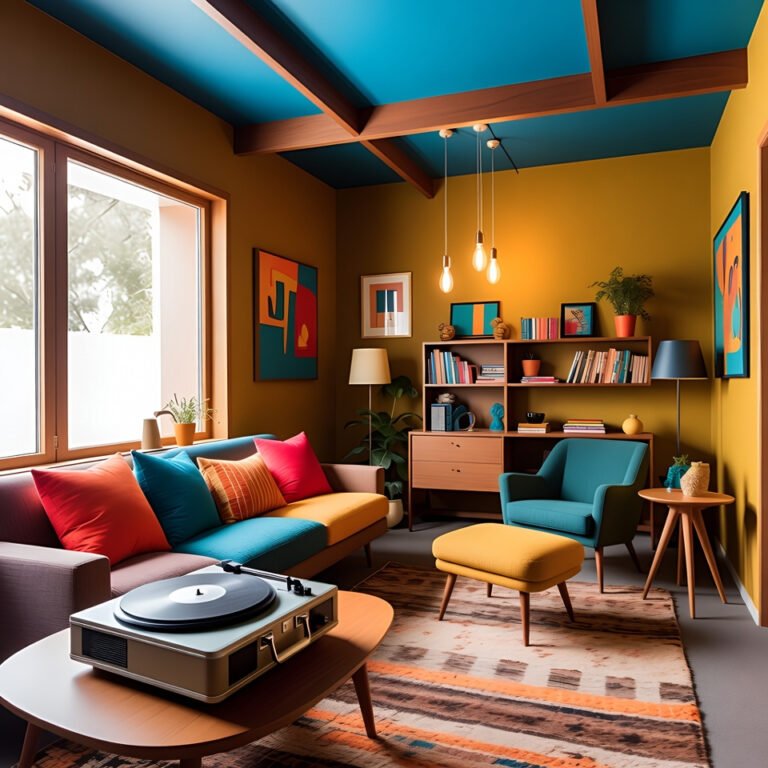
You’ve been told your whole life that dark colors make rooms feel small and depressing. But every time you see those moody, cocooning living rooms with deep walls and rich colors, something just clicks. They look sophisticated, intimate, and honestly way more interesting than another beige-and-white situation.
Going dark in your living room takes guts because it’s the opposite of what every design rule tells you. But here’s the thing—done right, dark rooms feel incredibly cozy and enveloping in ways light rooms never achieve. They’re perfect for actual living, not just photographing. Movie nights, rainy afternoons, evening conversations—dark rooms just work better for how people actually use living spaces.
The trick is balancing dark with warm. People mess up dark rooms by going too cold—all gray and black and chrome until it feels like a cave instead of a cocoon. Or they panic about making rooms too dark and add a bunch of white trying to “lighten it up” which just looks confused. Commitment matters here.
I’m breaking down 9 dark cozy living room decor ideas that nail that moody-but-inviting vibe. You’ll see which dark colors actually feel warm, how to layer lighting so rooms don’t feel dreary, what textures prevent dark from feeling flat, and the specific choices that make dark rooms feel intentionally cozy instead of accidentally depressing.
What Makes Dark Living Rooms Actually Feel Cozy
- Warm Undertones Change Everything: Charcoal, navy, forest green, and chocolate feel warmer than pure black or cool grays. It’s like paint samples where undertone determines mood. The warm-based darks create cocoon feeling instead of cave atmosphere.
- Layered Lighting Prevents Gloom: Multiple light sources at various heights illuminate without harshness dark rooms need. It’s like restaurant lighting where ambiance comes from variety. The strategic illumination makes dark rooms functional and inviting.
- Rich Textures Add Dimension: Velvet, leather, chunky knits, and natural wood prevent dark colors reading flat. It’s like fabric choice where texture creates visual interest. The varied materials catch light creating depth monochrome walls can’t achieve alone.
- Metallic Accents Reflect Light: Brass, copper, and warm gold finishes bounce light while adding sophistication. It’s like jewelry where shine elevates looks. The reflective elements prevent dark rooms feeling like black holes absorbing all light.
09 Dark Cozy Living Room Decor Ideas
Create moody inviting spaces with these dark living room approaches that embrace deep colors while maintaining warmth and comfort.
Deep Charcoal or Navy Walls
Paint walls in warm charcoal or navy blue creating dramatic backdrop. The dark walls make furniture and decor pop while creating intimate atmosphere. I’ve seen people completely transform boring builder-grade rooms into magazine-worthy spaces just by going dark.
Choose Benjamin Moore Hale Navy, Sherwin Williams Tricorn Black, or Farrow & Ball Railings for warm undertones. Paint all walls including trim for commitment—half measures look tentative. Costs $150-300 in paint doing it yourself. The envelope effect makes rooms feel intentional and sophisticated.
Moody Accent Wall Behind Sofa
Go dark on one wall keeping others neutral if full dark feels too intense. The feature wall creates focal point while maintaining brightness. This approach lets you test dark without full commitment in case you hate it.
Choose wall behind sofa or fireplace for maximum impact. Use same warm-toned darks—navy, forest, charcoal, deep plum. Contrast with lighter walls in cream, warm gray, or soft white. Single wall costs $40-80 in paint. The compromise approach gives you drama without overwhelming smaller spaces.
Black Ceiling Treatment
Paint ceiling in dark color creating unexpected coziness. The dark overhead makes rooms feel more intimate while drawing eyes to interesting architectural details. Sound familiar? This trick is all over fancy restaurants and bars making spaces feel special.
Use same color as walls for full cocoon effect, or go darker than walls creating depth. Benjamin Moore’s Black or Farrow & Ball’s Off-Black work beautifully. Ceiling paint costs $40-100. Add brass or warm metal light fixtures making dark ceiling intentional feature. The unexpected choice creates drama standard white ceilings never achieve.
Dark Leather and Velvet Furniture
Choose deep brown leather sofa or jewel-toned velvet pieces anchoring room in rich color. The substantial dark furniture creates weight and warmth light furniture can’t match. And honestly, dark furniture is way more practical hiding wear better than light colors.
Look for cognac or espresso leather ($1,200-3,000), or velvet in emerald, sapphire, or burgundy ($800-2,500). Mix with lighter chairs or ottoman preventing too-heavy feeling. The rich upholstery adds luxury and depth making spaces feel collected and intentional.
Layered Warm Lighting Strategy
Install multiple light sources—table lamps, floor lamps, wall sconces, candles—creating ambient glow. The varied lighting prevents dark rooms feeling cave-like while adding atmosphere. This is honestly the most important element making dark rooms actually work.
Use warm white bulbs (2700K) in all fixtures. Include dimmer switches controlling mood. Add 4-6 light sources minimum in average living room. Lamps cost $50-200 each, dimmers run $15-30. The lighting investment makes or breaks dark room success—don’t skip this.
Natural Wood Elements Throughout
Incorporate warm wood furniture, exposed beams, or wood accent walls adding organic warmth. The wood grain and natural tones prevent dark spaces feeling cold or sterile. It’s like bringing outside in where nature automatically creates comfort.
Use walnut, oak, or reclaimed wood furniture and accents. Include wood coffee table, shelving, or side tables. Wood elements cost varies—$200-1,000 depending on pieces. The natural material adds textural warmth and visual interest preventing monochrome flatness.
Jewel Tone Accent Layers
Add rich jewel tone accessories—emerald pillows, burgundy throw, sapphire art—creating depth without lightening palette. The saturated colors feel luxurious while maintaining dark moody vibe. These rich accent colors work way better in dark rooms than pastels ever could.
Layer textiles in ruby, emerald, topaz, amethyst, or sapphire tones. Include velvet or silk fabrics adding sheen. Pillows cost $30-80, throws run $50-150. The jewel tones add color interest without fighting dark base creating cohesive sophisticated palette.
Dark Botanical and Moody Art
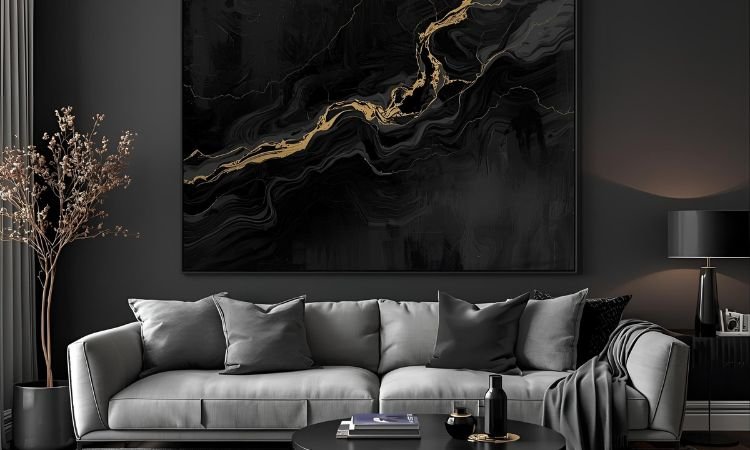
Hang artwork featuring dark backgrounds with warm subjects—moody botanicals, portraits with dark backgrounds, or abstract art in rich tones. The art maintains dark aesthetic while adding interest. Skip bright colorful art—it fights the mood you’re creating.
Look for pieces with blacks, navies, deep greens, and warm accents. Frame in black, dark wood, or brass. Prints cost $50-200, originals run $300-2,000+. Minted, Etsy, and local art fairs offer moody art. The color-appropriate artwork enhances rather than contradicts your dark scheme.
Layered Textiles and Textures
Pile on throw blankets, textured pillows, chunky knits, and plush rugs creating tactile warmth. The varied textures catch light differently preventing flat appearance. This layering is what separates cozy-dark from depressing-dark.
Mix velvet pillows, cable knit throws, faux fur accents, and wool rugs. Include 6-8 pillows on sofa, 2-3 throws, substantial area rug. Textiles cost $300-800 total. The textile layers add dimension and warmth making dark rooms feel inviting rather than heavy. Don’t skip this—it’s seriously important.
Making Dark Rooms Work Long-Term
- Embrace the Mood Fully: Commit to dark rather than trying to lighten it constantly. It’s like decorating decisions where confidence matters. The whole-hearted approach creates intentional sophisticated spaces.
- Clean Windows Thoroughly: Maximum natural light matters more in dark rooms than light ones. It’s like grooming where maintenance affects appearance. The clean windows let in every bit of available daylight.
- Choose Warm Metals Over Cool: Brass, copper, and warm gold suit dark rooms better than chrome or silver. It’s like choosing jewelry where finish affects overall warmth. The metallic choice impacts whether dark reads cozy or cold.
- Include Living Elements: Plants add life and brightness dark rooms need. It’s like fresh flowers where organic elements soften spaces. The greenery prevents rooms feeling too designed or stagnant.
Frequently Asked Questions About Dark Cozy Living Rooms
Won’t Dark Colors Make Room Feel Smaller?
Not necessarily—dark walls can actually make boundaries disappear creating infinite feeling. The lack of contrast between walls and corners prevents eye from measuring exact dimensions. Plus, cozy and intimate often beats spacious and cold anyway.
Small rooms absolutely can go dark successfully. The enveloping effect creates intentional coziness rather than accidentally cramped. Just ensure adequate lighting and don’t overcrowd furniture making space genuinely too small.
What If Room Doesn’t Get Much Natural Light?
Dark colors work fine in dim rooms—you’re enhancing existing mood rather than fighting it. Focus heavily on layered artificial lighting. Add 6-8 light sources minimum creating warm glow throughout day and evening.
North-facing or basement rooms often look better dark than trying to brighten them artificially. The dark palette accepts limited light working with reality instead of pretending room is sunny when it’s not.
How Do You Keep Dark From Feeling Depressing?
Use warm-toned darks—navy, forest, warm charcoal—avoiding cool grays and pure blacks. Layer tons of warm lighting. Include rich textures and warm metallics. Add personal touches and living elements.
The layering prevents flat appearance while warmth prevents cold feeling. Dark plus warm equals cozy. Dark plus cold equals depressing. Temperature matters more than actual darkness level.
Can You Mix Dark Walls With Light Furniture?
Yes—cream or tan furniture pops beautifully against dark walls. The contrast creates sophisticated look while preventing too-heavy feeling. Light rugs work great too brightening floor level.
Just maintain warm tones throughout—cream and tan work, stark white feels harsh. The tonal cohesion lets you vary lightness while maintaining warmth. Mix rather than matching creates most interesting spaces.
What’s Easiest Way to Start?
Paint one accent wall dark testing how you feel before committing entire room. Add dark furniture piece like navy sofa or charcoal chair. Layer dark textiles—throw blankets, pillows—on existing furniture.
Start small seeing whether dark actually makes you happy or just looked good online. Some people love dark rooms, others realize they prefer light. The gradual approach prevents expensive mistakes if dark isn’t your thing.
Creating Your Dark Retreat
Dark cozy living room decor ideas prove that deep moody colors create warmth and sophistication light rooms often lack. The intentional darkness makes spaces feel intimate and special rather than utilitarian. And honestly, once you experience a properly done dark room, going back to all-white-everything feels boring.
Start by choosing your dark base color ensuring warm undertones. Plan lighting strategy before painting—this seriously matters. Add layers gradually seeing how darkness affects your daily comfort. The thoughtful development creates spaces you genuinely love rather than regret.
What’s holding you back from going dark—worried about resale, not sure about commitment, or concerned about making mistakes? Tell me your hesitation and I’ll help you figure out whether dark rooms actually make sense for you!