There’s something about walking into a room that just wraps around you—dark walls, soft lighting, textures you want to touch. That’s the magic of a moody living room. It’s not depressing or cave-like when you do it right. It’s more like your favorite cozy restaurant or that boutique hotel where you never wanted to leave.
Cozy moody living room spaces work because they reject the bright-white-everything trend and embrace comfort instead. The darker palettes, layered lighting, and rich textures create rooms that feel intimate and welcoming. It’s about making a space where you actually want to curl up and stay awhile.
We’re covering 9 cozy moody living room ideas that’ll help you create that enveloping vibe. These aren’t scary dramatic changes—just thoughtful choices in color, lighting, and texture that add up to something special. And you don’t have to commit to black walls if that’s not your thing.
What Makes a Moody Living Room Feel Cozy
- Dark Colors Create Intimacy: Deep hues make walls recede and spaces feel wrapped instead of exposed. It’s the difference between a spotlight and candlelight—one reveals everything, the other creates mystery. The darker palette makes rooms feel smaller in a good way, like a hug instead of a warehouse.
- Layered Lighting Sets the Mood: Multiple light sources at different heights let you control ambiance completely. It’s never relying on one harsh overhead fixture. The varied lighting creates depth and lets you adjust brightness for different times and activities.
- Rich Textures Add Warmth: Velvet, leather, chunky knits, and natural wood prevent dark spaces from feeling cold. It’s giving your eyes and hands interesting things to experience. The tactile variety makes moody rooms feel luxurious instead of sparse.
- Contrast Keeps It Interesting: Even in dark spaces you need light elements preventing everything from blending together. It’s creating visual breathing room where your eye can rest. The strategic contrast makes rooms feel intentional instead of accidentally gloomy.
9 Cozy Moody Living Room Ideas
Transform your living space into an intimate retreat with these cozy moody living room ideas that embrace darker palettes and layered comfort.
Paint Walls in Deep Rich Colors
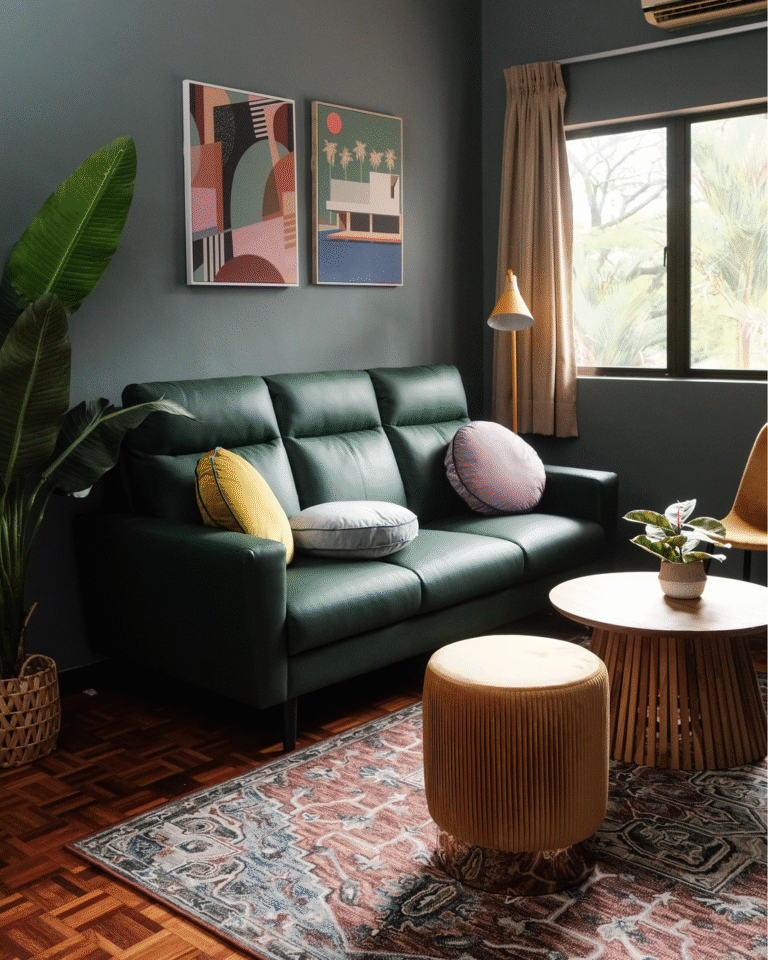
Choose charcoal, navy, forest green, or chocolate brown creating an enveloping backdrop. The saturated colors make the room feel intimate and sophisticated. It’s wrapping your walls in color instead of keeping them neutral and forgettable.
Use matte or eggshell finishes absorbing light for a softer look versus glossy surfaces reflecting too much. Paint trim and ceiling in lighter shades preventing the space from feeling too closed in. This cozy moody living room foundation costs $100-200 in paint but completely transforms how the space feels.
Layer Multiple Light Sources
Combine floor lamps, table lamps, and accent lights eliminating overhead fixtures or using them minimally. The varied sources create pools of light and shadow adding drama. It’s professional lighting design where you control exactly how bright or dim different zones feel.
Place lamps at different heights throughout the room—one by the sofa, one in a corner, maybe one on a bookshelf. Add dimmers to everything for ultimate flexibility. This cozy moody living room strategy costs whatever your lamps cost but makes the biggest difference in achieving that enveloping vibe.
Add a Dark Accent Wall
If painting the entire room feels too intense, start with one accent wall in a deep color. The feature wall creates focal point and moody vibes without overwhelming. It’s dipping your toe in before diving completely into dark colors.
Choose the wall behind your sofa or TV creating natural emphasis. Pair it with lighter walls in complementary neutrals. This cozy moody living room compromise costs minimal paint while delivering significant mood shift and visual interest.
Use Velvet and Textured Fabrics
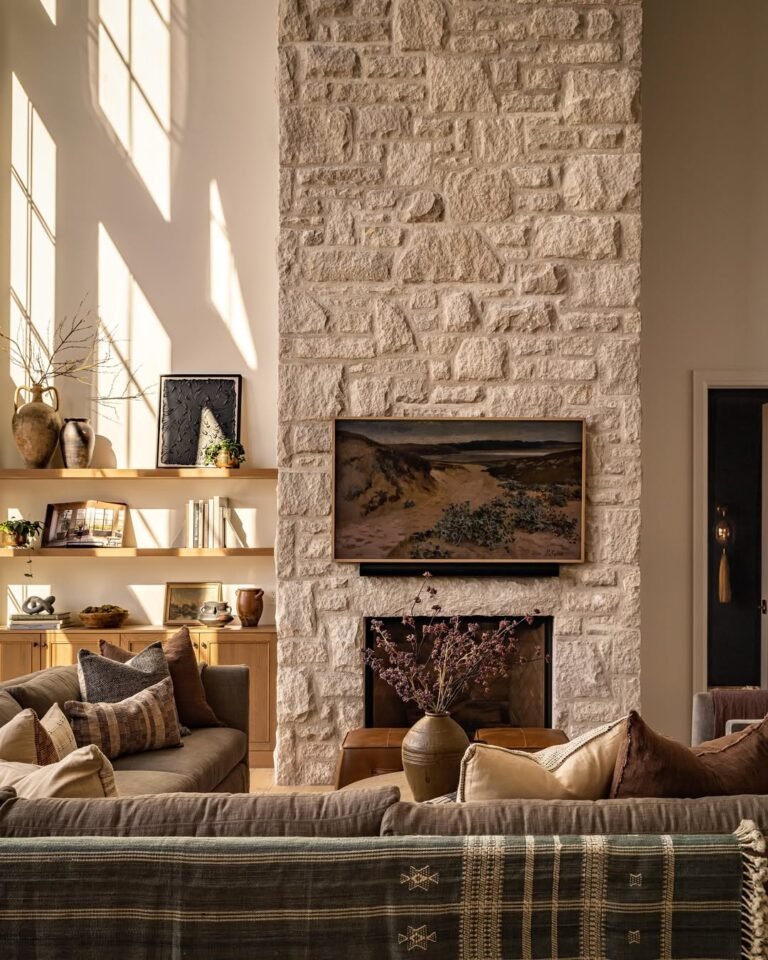
Incorporate velvet sofas, throw pillows, or curtains adding luxury and depth. The fabric catches light beautifully and feels indulgent. It’s that touchable quality that makes moody spaces feel expensive instead of just dark.
Choose jewel tones like emerald, sapphire, or burgundy complementing your wall colors. Mix in other textures like linen, leather, and chunky knits. This cozy moody living room element costs whatever your furniture budget allows—even velvet pillows from HomeGoods make an impact.
Install Warm-Toned Lighting
Choose bulbs in 2700K or lower creating amber glow instead of cool white light. The warm temperature makes everything feel cozier and more intimate. It’s the difference between a dentist’s office and a wine bar—same space, totally different feeling.
Replace all bulbs in your living room with warm LEDs maintaining consistent color temperature throughout. Avoid cool daylight bulbs that fight against the moody aesthetic. This cozy moody living room fix costs maybe $20-40 for bulbs but changes the entire atmosphere.
Add Dark Furniture Pieces
Include furniture in rich woods, black metal, or deep upholstery colors instead of light oak and beige. The darker pieces blend with walls creating cohesion. It’s embracing the palette instead of fighting it with mismatched light furniture.
A dark leather sofa, walnut coffee table, or charcoal armchair anchors the moody vibe. Mix finishes preventing everything from looking too matched. This cozy moody living room approach works with what you buy over time—you don’t need to replace everything at once.
Hang Thick Curtains in Dark Colors
Install floor-to-ceiling curtains in navy, charcoal, or deep green controlling light and adding softness. The heavy drapes frame windows and can block harsh daylight when you want cave mode. It’s having control over exactly how much light enters your space.
Choose lined curtains in velvet or heavy linen hanging them higher and wider than the window making everything feel larger. Keep them open during the day if you want but close them evenings for full cozy effect. This cozy moody living room addition costs $60-150 per window but adds serious drama.
Create a Gallery Wall With Dark Frames
Display art in black or dark wood frames creating visual interest without bright distractions. The cohesive framing looks intentional and sophisticated. It’s curating your walls instead of random things in whatever frames you had.
Mix art styles and sizes but keep frames consistent creating unity. Include some darker artwork and moody photography complementing your palette. This cozy moody living room detail costs whatever you spend on frames—thrift stores have tons of cheap options you can spray paint black.
Add Candlelight and Warm Accents
Place candles throughout the room creating flickering ambient light that can’t be replicated. The live flame adds movement and warmth to moody spaces. It’s the final touch that makes everything feel alive and inviting.
Use unscented candles if you’re sensitive or save scented ones for specific moods. Add brass or copper accents through picture frames, lamp bases, or decorative objects. This cozy moody living room layer costs minimal money but contributes significantly to the overall atmosphere.
Making Your Moody Living Room Work
- Keep Some Light Elements: Balance dark walls with lighter furniture or rugs preventing the space from feeling too heavy. It’s giving your eyes places to rest instead of drowning in darkness. The contrast makes the room feel intentional and designed rather than accidentally gloomy.
- Maximize Natural Light During Day: Keep window treatments open during daylight hours letting in as much natural light as possible. It’s embracing darkness at night without living in a cave all day. The flexible approach lets your room shift moods throughout the day.
- Test Paint Colors First: Dark colors look different in various lights—sample them on large poster boards moving them around the room. It’s seeing how colors actually look before committing to gallons of paint. The testing prevents expensive mistakes and regret.
- Layer Rugs and Textiles: Add multiple rugs, throw blankets, and pillows creating softness and warmth throughout. It’s building up comfort in layers instead of one big purchase. The textile layers prevent moody rooms from feeling cold or uninviting.
Frequently Asked Questions About Cozy Moody Living Rooms
Will Dark Walls Make My Room Look Smaller?
Honestly? Yes, but that’s kind of the point. The smaller feeling creates intimacy and coziness instead of cavernous emptiness. Large rooms especially benefit from this approach making them feel more welcoming. Small rooms need more careful balance with lighter elements and good lighting.
If you’re worried about size, try one accent wall first or choose the darkest shade you’re comfortable with. You can always go darker later. The perceived size matters less than how the room actually feels when you’re in it.
What Colors Work for Moody Spaces?
Navy, charcoal, forest green, deep burgundy, chocolate brown, and black all create moody vibes. Warm dark colors like terracotta or rust work too for slightly softer looks. The key is choosing saturated deep tones instead of muddy or washed-out versions.
Pick colors you’re actually drawn to instead of what’s trendy. You’ll be living with them daily so your personal preference matters most. Test samples in your specific lighting before committing.
How Do You Keep It From Looking Depressing?
Layered warm lighting makes all the difference—never rely on overhead fixtures alone. Include reflective surfaces like mirrors, glass, or metallics bouncing light around. Add living elements like plants and plenty of texture creating visual interest.
The materials matter as much as colors. Velvet, leather, wood, and natural fibers add warmth preventing sterile feelings. Keep the space clean and organized—clutter makes dark rooms feel chaotic instead of cozy.
Can You Do Moody in Small Spaces?
Absolutely—small rooms often work better with moody treatments than large ones. The intimate scale suits the cozy vibe naturally. Just balance dark walls with lighter furniture and maximize your lighting situation.
One accent wall works great in small spaces giving you the mood without overwhelming. Keep window treatments manageable and add a large mirror reflecting light. The strategic approach creates cozy atmosphere without feeling cramped.
What About Rooms With Limited Natural Light?
Rooms without much natural light are actually perfect candidates for moody design since you’re working with low light anyway. Focus heavily on your artificial lighting using multiple sources at different heights. Warm bulbs become even more critical here.
Add more lamps than you think you need—seriously, you can’t over-lamp a dark room. Consider lighter ceilings reflecting light downward. The right lighting makes windowless spaces feel intentional instead of dungeon-like.
How Do You Style Furniture in Dark Rooms?
Mix light and dark furniture preventing everything from blending into the walls. A light-colored sofa against dark walls creates beautiful contrast. Or embrace full dark furniture with lighter rugs and accessories.
Arrange furniture in conversation groupings just like any living room. The dark walls actually make furniture placement more important since pieces stand out more. Don’t push everything against walls—floating furniture creates better flow and intimacy.
Creating Your Moody Retreat
Cozy moody living room ideas show that embracing darker palettes and layered lighting creates spaces that feel intimate and sophisticated instead of cold or depressing. The combination of rich colors, varied textures, warm lighting, and thoughtful contrast transforms living rooms into enveloping retreats where you actually want to spend time.
Start with paint or an accent wall establishing your palette, then layer in lighting and textures gradually. Choose warm-toned bulbs and multiple light sources creating flexibility and ambiance. The patient approach builds moody spaces that feel intentional and personal rather than accidentally dark.
Which element are you most excited to try? I’d love to know if you’re going bold with full dark walls or starting with an accent wall!