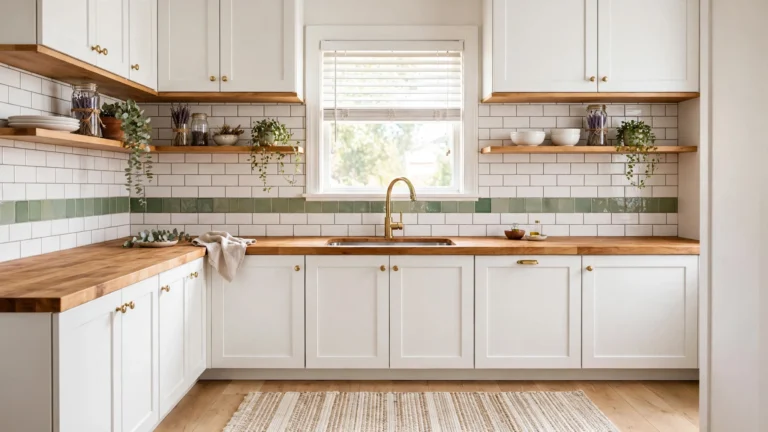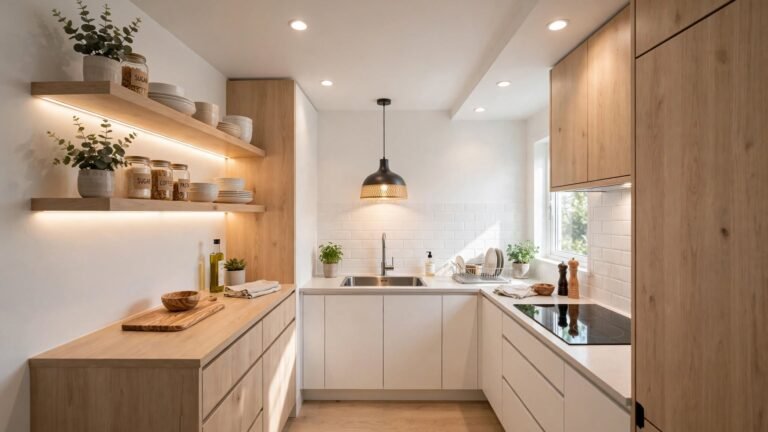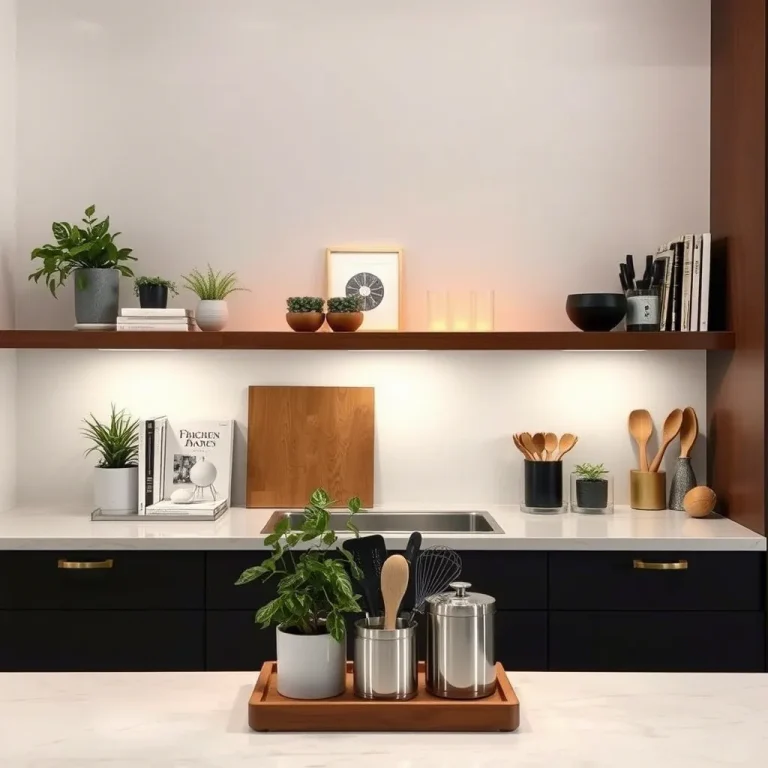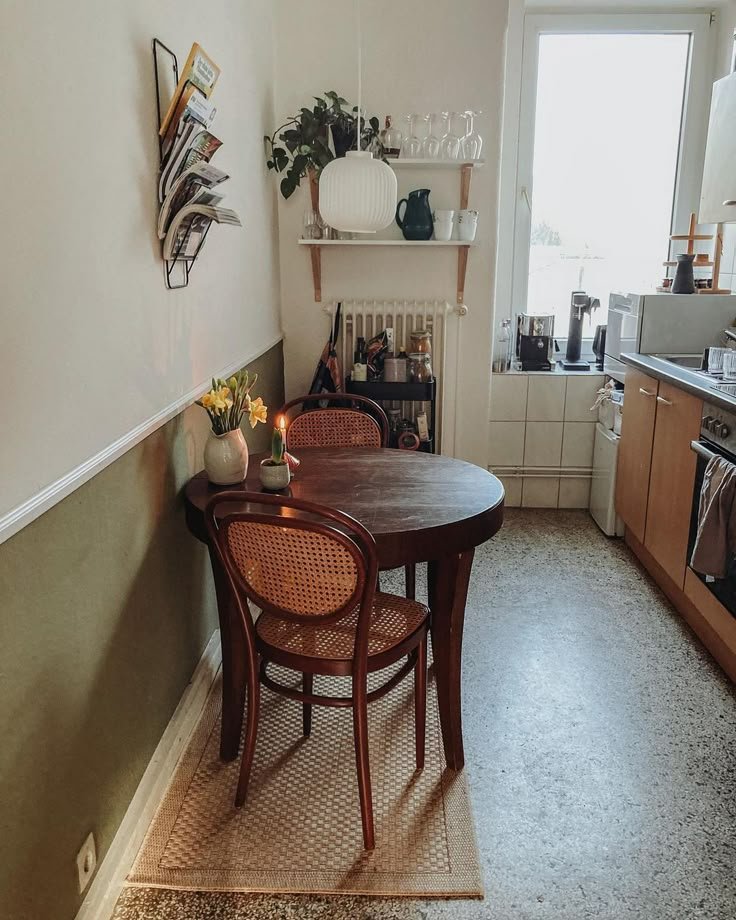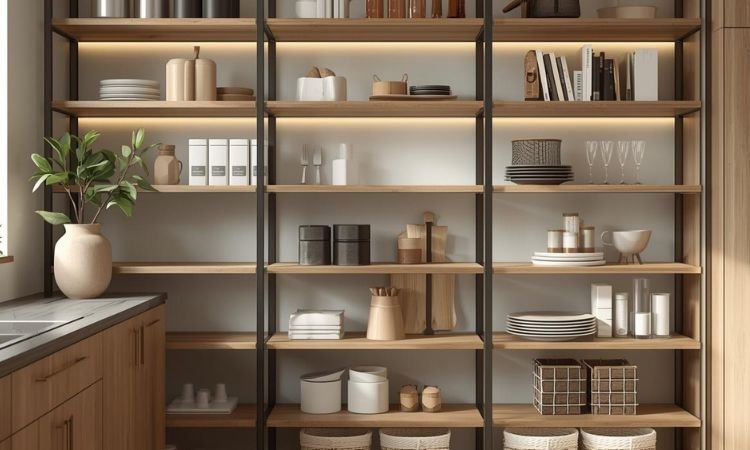
Your kitchen’s a mess again two weeks after organizing it. You’ve bought the bins, labeled everything, and arranged items perfectly—then somehow it all falls apart. The spice rack’s chaos, the pantry’s a disaster, and you’re back to digging through cabinets looking for things you know you have. Organizing clearly isn’t the problem—staying organized is.
Kitchen storage organization fails when systems don’t match how you actually cook and use your space. Those Pinterest-perfect setups work for the people who designed them but crash and burn when they don’t fit your habits, family size, or kitchen layout. What you need are organizing strategies that work with your natural patterns instead of fighting them.
I’m covering 10 practical approaches from zone-based organizing and accessible storage to maintenance-free systems and family-friendly solutions. You’ll see which organizing methods stick versus which ones fail within weeks, how to set up kitchens that almost organize themselves, what products actually earn their space, and strategies that accommodate real cooking chaos. These ideas work in actual kitchens where multiple people cook, groceries arrive weekly, and perfection isn’t realistic.
Building Organization Systems That Last
Accessibility Determines Success: Items stored where you actually use them get put away properly while inconvenient storage leads to countertop pile-ups. It’s like parking spots where proximity drives behavior. The strategic placement creates self-maintaining systems.
Simple Systems Win Always: Complicated organizing schemes requiring multiple steps inevitably fail while simple solutions stick. It’s like habits where easy beats optimal. The straightforward approach accommodates rushed moments and tired evenings.
Categories Match Brain Patterns: Grouping items how your brain naturally thinks about them creates intuitive storage. It’s like language where natural categories make sense instantly. The logical grouping means less hunting and easier maintenance.
Visibility Prevents Waste: Seeing what you have stops duplicate buying and expired food while hidden storage leads to forgotten items. It’s like open shelves where seeing means using. The transparent approach saves money through awareness.
Kitchen Storage Organization That Actually Stays Neat Long-Term
Create sustainable kitchen systems with these kitchen storage organization ideas featuring maintainable approaches.
Activity-Based Zones
Organize by task rather than item type—baking zone with flour, sugar, measuring cups together; coffee zone with beans, filters, mugs clustered. The activity grouping matches how you actually work. It’s like workstations where related items cluster.
Keep each zone within arm’s reach of where you perform that activity. The proximity makes putting things away as easy as taking them out. This kitchen storage organization approach creates logical systems your brain follows naturally.
Lazy Susan For Corners
Install rotating platforms in corner cabinets bringing back items forward with simple spins. The turntables eliminate the black hole effect where items disappear forever. It’s like carousels where rotation beats reaching.
Use for oils, vinegars, condiments, or canned goods. Choose sturdy models that actually spin smoothly. This kitchen storage organization classic solves the corner cabinet problem nothing else can.
Pull-Out Lower Cabinets
Add sliding shelves or drawers to base cabinets bringing contents into view rather than requiring hands-and-knees excavation. The gliding systems make everything accessible. It’s like drawers where pulling beats digging.
Install in cabinets with pots, pans, or food storage. Professional installation ensures smooth operation. This kitchen storage organization upgrade transforms the most annoying cabinets into functional spaces.
Clear Containers With Labels
Transfer pantry staples into clear containers with consistent labels. The visibility shows quantities at glance while labels prevent confusion about what’s what. It’s like display cases where transparency improves management.
Use square containers maximizing shelf space over round ones. Put expiration dates on labels. This kitchen storage organization system looks better while actually improving functionality.
Vertical Tray Dividers
Install vertical dividers storing baking sheets, cutting boards, and platters on edge rather than stacked. The upright storage makes grabbing what you need possible without removing everything. It’s like file folders where vertical beats horizontal.
Adjustable dividers accommodate varying sizes. Position near your prep area. This kitchen storage organization detail solves the avalanche problem flat stacks create.
Door-Mounted Storage
Add organizers to cabinet interior doors utilizing dead space. The door-mounted systems claim area that typically goes unused. It’s like secret storage where doors become functional.
Use for spices, foil and wrap, cleaning supplies, or measuring spoons. Ensure organizers don’t interfere with shelf contents. This kitchen storage organization hack adds capacity without touching shelf space.
Drawer Dividers Everywhere
Install adjustable dividers in every drawer creating designated spaces preventing jumbled messes. The compartments force organization through physical boundaries. It’s like rooms where walls maintain order.
Organize utensils by type, tools by function, gadgets by size. The divided system makes finding items instant. This kitchen storage organization foundation prevents the junk drawer effect.
Stackable Can Organizers
Use angled racks that dispense cans from front while loading from back. The gravity-feed systems ensure rotation and visibility. It’s like vending machines where FIFO happens automatically.
Position at eye level for easy access. Choose sizes matching your typical inventory. This kitchen storage organization solution prevents the canned goods avalanche.
Open Lower Shelves
Convert lower cabinet doors to open shelves for frequently used items—daily dishes, kids’ cups, go-to pots. The open access means items actually get put away. It’s like retail displays where visibility drives use.
Keep only attractive items you use constantly visible. The open storage works especially well for family items. This kitchen storage organization approach trades aesthetics for function in high-traffic areas.
Under-Sink Organization
Add tiered shelves, pull-out caddies, or tension rods under sinks maximizing awkward plumbing-filled spaces. The specialized storage works around pipes. It’s like Tetris where creative solutions fit odd spaces.
Store cleaning supplies, trash bags, or dish soap. Use waterproof containers protecting from potential leaks. This kitchen storage organization upgrade claims typically wasted space.
Maintaining Organization Without Constant Effort
Do Evening Resets: Spend 5 minutes nightly returning misplaced items and wiping surfaces preventing gradual chaos buildup. It’s like dental hygiene where small daily efforts prevent major problems. The brief routine maintains systems effortlessly.
Use One-Touch Rule: Put items away immediately rather than setting them down temporarily—temporary always becomes permanent. It’s like laundry where handling once beats multiple times. The disciplined approach prevents pile formation.
Keep Counters Clear: Establish “nothing lives here” rules for counters forcing items into proper homes. It’s like no-parking zones where rules prevent creep. The clear surfaces maintain visual calm and functional space.
Reassess Quarterly: Purge expired items and unused tools every few months preventing accumulation overwhelming storage. It’s like closet cleaning where removal maintains capacity. The regular editing keeps systems from overflowing.
Frequently Asked Questions About Kitchen Storage Organization
Why Does My Kitchen Organization Always Fall Apart?
Organization fails when systems don’t match your actual habits and workflows. If putting something away requires multiple steps or going to inconvenient locations, you won’t maintain it during busy moments. Complex systems requiring perfection inevitably fail when real life—tired evenings, rushing mornings, multiple cooks—happens. The mismatch between ideal organization and real use patterns causes breakdown.
Additionally, organizing without purging first means you’re organizing too much stuff. When storage capacity matches items owned with little buffer, any new purchases overwhelm the system. Build in 20-30% empty space accommodating fluctuation. Finally, if everyone uses the kitchen but only one person knows the system, others can’t maintain it. Organization must be intuitive enough that anyone can follow it without thinking.
How Do I Organize With Multiple People Using The Kitchen?
Create obvious intuitive systems where item locations make logical sense to anyone—coffee stuff near the coffee maker, pots near the stove. Label everything clearly including inside cabinets and drawers so locations are unmistakable. Designate one drawer or cabinet per person for their specific items reducing conflicts over shared space.
Establish family routines like “clean as you cook” and “evening reset” making maintenance shared responsibility rather than one person’s burden. Keep the most commonly used items in the most accessible spots prioritizing high-traffic items over occasional use. Accept that shared kitchens won’t maintain Pinterest-perfect organization—focus on functional order that accommodates multiple cooking styles and habits.
What’s The Best Way To Organize A Small Kitchen?
Maximize vertical space aggressively using walls for hanging storage, shelves going to ceiling, and stackable organizers. Pare down ruthlessly keeping only items you actually use regularly—small kitchens can’t accommodate “someday” items. Use drawer dividers and cabinet organizers maximizing every inch since you don’t have space to waste.
Install hooks inside cabinet doors, use magnetic strips for knives, add tension rods creating extra shelf levels. Store occasional-use items outside the kitchen if possible. Choose multi-function tools over single-purpose gadgets. Small kitchen organization succeeds through aggressive editing and creative use of every available surface including walls, door backs, and vertical spaces.
Should I Store Food In The Containers It Came In?
Transfer frequently used dry goods—flour, sugar, rice, pasta—into clear containers providing better visibility, freshness, and space efficiency. Keep occasional-use or quickly-consumed items in original packaging since transferring isn’t worth the effort. Decanting makes sense for staples you buy regularly but creates unnecessary work for items used infrequently.
Consider your actual habits honestly—if you won’t maintain a container system, original packaging beats buying containers that sit empty while food stays in boxes. Start small transferring just your most-used items seeing if you maintain the system before investing in complete container sets. The practical approach matches organizing ambition with realistic follow-through.
How Often Should I Reorganize My Kitchen?
Well-designed systems need minimal reorganization—maybe twice yearly for seasonal adjustments or lifestyle changes. If you’re reorganizing monthly, your system isn’t working for your actual patterns. Focus on daily maintenance (5-minute evening resets) and weekly editing (checking for expired items) rather than constant overhauls.
Do deeper reorganization when life changes significantly—new family member, diet changes, different work schedule—affecting how you use the kitchen. Otherwise, good organization maintains itself through simple daily habits. The goal is creating systems that work with minimal ongoing effort not systems requiring constant attention and adjustment to function.
Building Your Self-Maintaining Kitchen
Kitchen storage organization proves that sustainable systems match your real habits rather than fighting them. The smart strategies prioritize accessibility, simplicity, and intuitive categorization creating kitchens that almost organize themselves. I’ve found that the best organized kitchens aren’t the prettiest—they’re the ones where putting things away is as easy as taking them out.
Start by observing how you actually use your kitchen for a week before changing anything. Organize items where you naturally reach for them. Create simple systems requiring minimal steps to maintain. Build in buffer space accommodating normal fluctuation. The realistic approach creates organization that lasts months and years rather than just looking good for the Instagram photo.
What’s your biggest kitchen organization struggle? Share your storage challenges below!