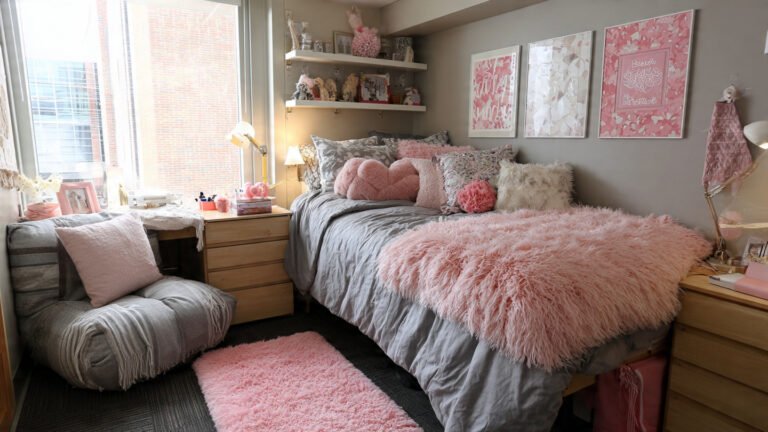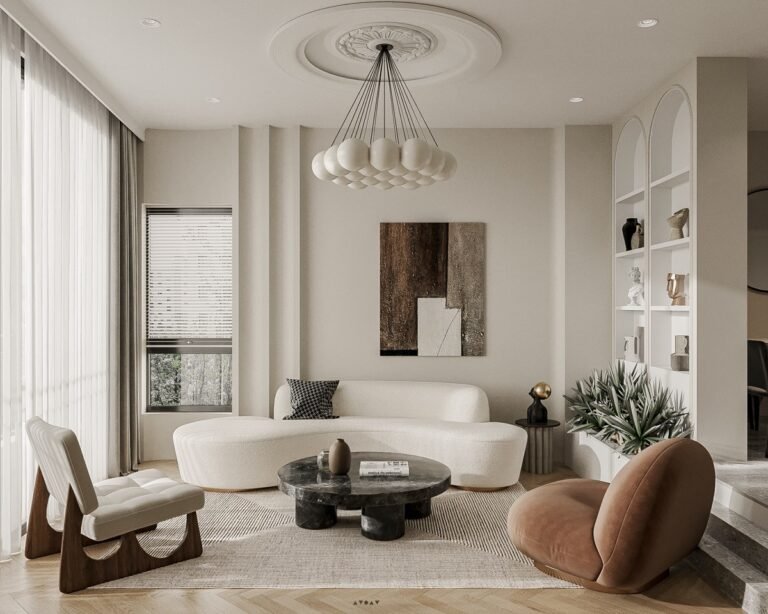
You’re past the freshman dorm phase and now you’re in upperclassman or grad student housing—maybe a suite, apartment-style dorm, or single room. You’re older, you need a functional study space for serious work, and you’re done with the plastic storage bins and poster aesthetic. Your space needs looking more adult while still working within university housing rules and temporary living reality.
University housing for older students sits in this weird middle ground. You’ve got more space and freedom than freshman dorms but less than real apartments. You can’t fully furnish or renovate, but you also can’t live like an 18-year-old anymore. You need spaces supporting serious studying, maybe research work, comfortable enough for your age, but temporary enough to move out in 6-12 months.
Here’s what’s different from regular dorm advice. You’re not decorating for Instagram or impressing hallmates. You need genuine functionality—comfortable desk setup for long study sessions, proper storage for professional clothes, spaces where you can actually focus. The priorities shift from cute to genuinely comfortable and productive.
I’m covering 12 university dorm room ideas for upperclassmen and grad students needing grown-up functional spaces. You’ll see what works in suite versus single rooms, how to create serious study environments, which upgrades matter for older students, and the specific solutions making university housing work for adults instead of teenagers.
University Housing Needs Different Approaches
- Professional Workspace Matters More: You’re doing serious coursework, research, or thesis work requiring proper desk setup and focus space. It’s like home offices where ergonomics and function determine productivity. The study setup can’t be afterthought—it needs supporting real work.
- Adult Aesthetics Replace Teen Decor: String lights and posters feel wrong at 22 or 26—you want spaces reflecting actual maturity. It’s like wardrobe evolution where style ages with you. The design choices need matching your current life stage.
- Quality Over Cheap Quick Fixes: Investing in better pieces makes sense when you know they’ll work in post-graduation apartments. It’s like buying tools where quality purchases last years. The investment mindset replaces disposable freshman mentality.
- Privacy and Quiet Take Priority: You need spaces where you can actually concentrate, have phone interviews, or decompress from demanding schedules. It’s like remote work where environment affects performance. The functional requirements differ dramatically from social freshman living.
University Dorm Room Ideas
Create functional adult spaces with these university housing solutions designed for serious students needing productive comfortable environments.
Proper Ergonomic Desk Setup
Build actual workspace with quality desk chair, monitor riser, proper lighting, and organized supplies. The professional setup supports long study sessions and research work preventing back pain and eye strain. I’ve found grad students especially need this—you’re at that desk 6-8 hours daily.
Invest in ergonomic chair ($150-400), monitor riser or laptop stand ($25-80), quality desk lamp ($40-100), desk organizers ($30-80). Total costs $250-700 creating workspace supporting serious academic work. This transitions directly to post-graduation home offices making investment worthwhile.
Room Divider for Suite Privacy
Use folding screen, bookshelf, or curtain creating private zones in shared suite spaces. The visual barrier provides psychological separation when you need focusing or having private conversations. And honestly, living with roommates at 24 requires different boundaries than at 18.
Purchase folding room divider ($80-200), tall bookshelf ($100-300), or ceiling-track curtain system ($50-150). The partition creates private study or sleeping area within shared space. Choose styles looking adult—wood screens, fabric panels, metal shelving—versus obvious college dorm aesthetics.
Professional Clothing Storage
Add garment rack, hanging organizer, or compact dresser storing interview suits, business casual clothes, or professional wardrobe. The proper storage maintains clothing you actually need for internships, interviews, or presentations. This isn’t freshman hoodie collection anymore.
Install slim garment rack ($30-80), hanging closet organizer ($25-60), or compact dresser ($100-300). Store professional clothes properly preventing wrinkles and damage. The organized storage keeps career-necessary clothing accessible and maintained.
Whiteboard or Cork Board Planning
Mount large whiteboard or cork board organizing deadlines, research notes, or project planning. The visual planning tool supports complex coursework and research timelines. Sound familiar to faculty offices? Same need—tracking multiple projects and deadlines simultaneously.
Buy large whiteboard ($30-100) or cork board ($20-60) mounting with damage-free strips. Use for thesis planning, research timelines, course schedules, job application tracking. The visible organization keeps complex projects manageable and on track.
Quality Bedding for Actual Rest
Upgrade to comfortable bedding supporting sleep necessary for demanding academic schedules. The proper rest affects studying, research productivity, and mental health. I mean, pulling all-nighters occasionally is one thing, but chronic poor sleep destroys graduate work.
Buy quality sheets ($60-120), comfortable pillows ($40-100), proper duvet ($80-200). Choose neutral adult colors—navy, gray, white—versus dorm patterns. Total investment $200-450 ensuring actual restorative sleep. The comfortable bed matters more as academic pressure increases.
Bookshelf for Actual Book Collection
Install substantial bookshelf holding textbooks, research materials, and personal library. The proper book storage organizes academic resources while displaying intellectual interests. This beats stacking books on floor or desk creating chaos.
Choose sturdy bookshelf 5-6 shelves tall ($80-250). Metal, wood, or quality laminate all work. Organize by course, subject, or research area. The proper storage keeps academic materials accessible while looking intentional and mature.
Area Rug Defining Adult Space
Add substantial area rug creating defined living space looking and feeling more adult. The quality rug grounds room making it feel less temporary and institutional. This works especially well in suite common areas or larger single rooms.
Buy 5×7 or 6×9 rug in neutral pattern or solid color ($100-400). Natural fibers or quality synthetics both work. The rug adds warmth and visual weight making space feel more permanent and comfortable despite temporary housing.
Coffee Station or Mini Kitchen Setup
Create functional coffee or tea station with quality kettle, French press, or pour-over setup. The morning routine space supports adult habits and reduces café costs. And honestly, having good coffee available matters way more at 24 than 18.
Set up compact station with electric kettle ($25-60), French press or pour-over ($20-50), small organizer for supplies ($15-30). Total costs $70-150. Add small shelf or cart if space allows. The functional setup supports daily routine while feeling adult and intentional.
Noise-Canceling Headphones Station
Designate spot for quality noise-canceling headphones essential for focusing in shared housing. The proper audio equipment blocks distractions during studying or provides privacy during calls. I’ve found these become non-negotiable for grad students in shared spaces.
Invest in quality noise-canceling headphones ($150-350) with dedicated storage hook or stand ($10-30). The audio equipment supports concentration and privacy necessary for serious academic work. Doubles as investment for future remote work scenarios.
File Organization System
Set up proper filing for syllabi, research papers, articles, and administrative documents. The organized system prevents losing important academic materials and supports research workflows. This professional organization matches work you’re actually doing.
Use desktop file organizer ($20-50), magazine files ($15-40), or small filing cabinet ($60-150). Organize by course, research project, or administrative category. The systematic storage supports graduate-level academic work requiring juggling multiple complex projects.
Reading Nook or Focus Chair
Add comfortable reading chair creating dedicated space for lengthy reading sessions or thinking through complex problems. The designated spot separates work-at-desk from reading-and-thinking activities. Sound familiar to faculty reading chairs? Same need for processing dense academic material.
Choose comfortable accent chair ($150-400) or reading chair with ottoman ($200-600). Position near window if possible. Add small side table and good lamp. The dedicated reading space supports different mental modes academic work requires.
Wall-Mounted Floating Desk
Install fold-down or floating desk creating workspace without eating floor space. The mounted surface provides study area while maintaining open floor when not actively working. This works great in small singles or bedrooms in suite arrangements.
Mount floating desk ($80-200) or fold-down desk ($100-300) with damage-free mounting systems. Add chair that tucks underneath. The space-saving solution provides necessary workspace in tight quarters while feeling more intentional than temporary dorm desk.
Setting Up Productive University Spaces
- Zone Your Space Clearly: Separate sleep, study, and relaxation areas even in single room creating mental boundaries. It’s like studio apartment living where defined zones support different activities. The separation helps transitioning between work and rest.
- Invest Where You Spend Time: Put money into desk chair and mattress where you spend most hours versus decorative items. It’s like equipment investment where tools you use daily deserve quality. The functional priorities support actual needs.
- Plan for Thesis or Research: If doing major project, set up workspace supporting that specific work—space for books, notes, multiple monitors. It’s like project planning where environment supports goals. The tailored setup makes intensive work more manageable.
- Consider Post-Graduation Use: Buy pieces working in future apartments or homes making investment worthwhile beyond temporary housing. It’s like furniture shopping where longevity matters. The forward-thinking approach justifies spending more now.
Frequently Asked Questions About University Dorm Rooms
How Is This Different from Freshman Dorms?
You need functional adult workspace, professional clothing storage, serious study environment versus social decorating. The priorities shift from making friends to actual productivity and comfort. Suite or single arrangements provide more space and privacy requiring different furniture and organization.
Upperclassman and grad housing typically offers more freedom and space but you’re also older with different needs than teenagers.
What About Shared Suite Common Areas?
Coordinate with suitemates on shared furniture—comfortable seating, coffee table, maybe TV setup. Invest collectively in quality pieces everyone uses versus individual cheap items. The collaborative approach creates adult living space versus dorm room feel.
Respect shared spaces keeping common areas functional and clean. The maturity level should match everyone’s age and needs.
Can You Interview From Dorm?
Yes, with proper setup—clean neutral background, good lighting, decent camera and audio. Create interview corner with minimal visible dorm elements. Use virtual backgrounds if necessary. The professional setup supports job and internship searching necessary in upper years.
Test setup before actual interviews ensuring video quality and sound work properly. The prepared approach prevents technical disasters during important calls.
What About Partners Visiting?
Suite or single arrangements provide more privacy than freshman doubles. Add seating beyond bed, keep space clean and adult, ensure roommates/suitemates know visitor policies. The mature handling respects everyone’s comfort while acknowledging adult relationships.
The privacy and space considerations differ significantly from freshman year requiring more thoughtful navigation.
Should You Decorate at This Point?
Minimal mature decoration—framed art, plants, quality textiles—versus heavy decorating. The temporary nature combined with busy schedules means functional comfortable matters more than Pinterest-perfect. Save major decorating for post-graduation permanent housing.
Focus on making space work well versus looking amazing. The practical approach matches reality of temporary intense academic housing.
Making University Housing Work
University dorm room ideas for older students prove that temporary housing supports serious academic work with proper setup and investment. The focus on functionality, comfort, and adult aesthetics creates spaces matching your actual age and needs. And honestly, you’re paying enough in grad school or upper-level coursework—your living space should at least be comfortable and functional.
Start with workspace—this affects daily productivity and success. Add comfortable sleeping setup supporting necessary rest. Create organization systems managing complex academic work. Invest in pieces working beyond graduation making spending justifiable. The strategic approach creates housing supporting your work instead of fighting it.
What’s your specific university housing situation—suite with roommates, single room, apartment-style, or something else? Tell me your setup and main challenge and I’ll help figure out what actually matters for your particular needs!