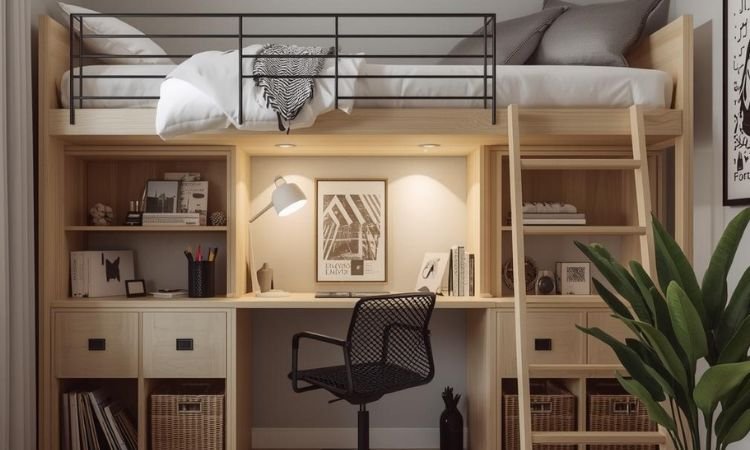
Your dorm room is maybe 12×15 feet total, shared with a roommate, furnished with a twin XL bed that’s weirdly high, a rickety desk, and fluorescent lighting that makes everything look terrible. You’re trying to figure out how to fit your entire life into half of this space while making it feel less like a prison cell and more like somewhere you actually want to spend time.
Dorm room decorating requires different thinking than regular rooms. You can’t paint walls, drill holes, or change anything permanent. You’re working with cinderblock walls, terrible lighting, zero storage, and furniture you can’t replace. Plus you’re on a college budget where every dollar counts, and you need stuff fitting in your car at semester’s end because you’re definitely not storing it.
Here’s the reality—dorm rooms will never look like Pinterest perfection, and that’s fine. The goal is making them functional and comfortable enough that studying, sleeping, and hanging out don’t completely suck. Small improvements make huge differences in tiny shared spaces where you’re spending most of your time when not in class.
Walking through 11 college dorm room ideas that actually work with real constraints. You’ll see what fits tiny spaces, which upgrades deliver most impact for least money, how to personalize without permanent changes, and the specific solutions making dorm living bearable instead of miserable.
Tackling Dorm Room Challenges
- Damage-Free Hanging Saves Deposits: Command strips, poster putty, and tension rods avoid wall damage preventing housing fees. It’s like renting apartments where security deposits matter. The removable solutions let you personalize without financial consequences.
- Vertical Storage Multiplies Space: Using walls and height prevents floor crowding in rooms barely fitting two beds and desks. It’s like tiny house living where up beats out. The elevated storage keeps limited floor space clear for actually moving around.
- Lighting Transforms Atmosphere: Adding warm lamps eliminates harsh fluorescent making rooms feel less institutional. It’s like restaurant ambiance where lighting determines mood. The better illumination makes studying and hanging out way more pleasant.
- Multi-Function Items Work Harder: Storage ottomans, bed risers with bins, desk organizers—pieces doing multiple jobs maximize limited space and budgets. It’s like camping gear where everything serves multiple purposes. The versatile pieces deliver more function per dollar and square inch.
College Dorm Room Ideas
Make dorm living actually bearable with these space-saving solutions designed for real dorm constraints and college budgets.
Bed Risers with Under-Bed Storage
Make bed 6-12 inches using risers creating massive storage underneath. The elevated sleeping creates room for bins, drawers, or mini-fridge underneath using otherwise wasted vertical space. I’ve found this single change makes biggest difference in dorm storage—you literally gain like 15 cubic feet.
Buy bed risers 6-8 inches high ($15-30) fitting twin XL bed posts. Add plastic storage bins ($8-20 each) or rolling drawers ($25-60) underneath. Total costs $50-120 creating substantial storage. The under-bed space holds out-of-season clothes, extra bedding, snacks, basically whatever doesn’t fit in tiny closet.
Over-Door Shoe Organizer for Everything
Hang over-door organizer storing way more than shoes—toiletries, school supplies, snacks, cleaning supplies. The 20-pocket vertical storage uses zero floor space while organizing tons of small items. And honestly, these cheap organizers solve so many dorm storage problems.
Purchase over-door organizer with clear pockets ($12-25). Use for shoes, toiletries, phone chargers, pens, snacks, medicine, whatever. The see-through pockets show contents preventing digging. Costs under $30 organizing dozens of items that would otherwise clutter desk or floor.
String Lights Instead of Overhead
Add string lights or fairy lights creating warm ambient glow replacing harsh fluorescent overhead. The soft lighting completely changes room atmosphere making space feel cozy instead of institutional. Sound familiar? Every dorm room ever uses these because they genuinely work.
Buy LED string lights ($10-25) hanging with command hooks around room perimeter, over bed, or around window. Battery or plug-in versions both work. The warm glow makes rooms feel way more comfortable while providing gentler studying light. Costs under $30 transforming entire room feeling.
Removable Peel-and-Stick Wallpaper
Cover one wall or section with removable wallpaper adding personality and color without paint. The temporary treatment personalizes cinderblock walls without damage. I mean, staring at beige cinderblock for nine months is depressing—adding pattern helps so much.
Buy single roll peel-and-stick wallpaper ($30-50) covering accent wall section or area behind bed. Remove at semester end without residue or damage. Choose subtle patterns avoiding overwhelming tiny space. The color and pattern make generic dorm feel more personal and intentional.
Clip-On or Desk Lamp Upgrade
Replace terrible overhead lighting with quality desk lamp and clip-on reading light. The task-specific lighting helps studying while creating better atmosphere. And honestly, good lighting matters way more than people realize for both productivity and mood.
Buy adjustable desk lamp with warm LED ($20-45) for studying and clip-on light ($15-30) for reading in bed. Total costs $40-80. The proper lighting reduces eye strain during studying while providing comfortable ambient light for relaxing.
Rolling Storage Cart Between Furniture
Use narrow rolling cart fitting beside desk or between bed and wall creating vertical storage and mobile surface. The slim cart stores supplies, snacks, or toiletries rolling out when needed. These work perfectly in those awkward gaps where nothing else fits.
Purchase 3-4 tier rolling cart 6-10 inches wide ($25-50). Use for school supplies, snacks, toiletries, cleaning supplies. Rolls out for access, tucks beside furniture otherwise. The mobile storage adapts to tiny space while keeping stuff organized and accessible.
Tapestry or Large Poster Wall
Hang tapestry or oversized poster covering significant wall space adding personality and color. The large fabric or paper hides ugly walls while expressing style. This is probably cheapest high-impact change—$15-30 completely transforms one wall.
Buy tapestry or large poster ($15-40) hanging with command strips or poster putty. Choose design reflecting personality without overwhelming small space. The large-scale coverage hides institutional walls making room feel more personal and less temporary.
Bed Shelf or Headboard Alternative
Attach bed shelf to wall above pillow creating nightstand alternative holding phone, water, glasses. The floating surface provides bedside storage without floor-eating furniture. I’ve found this solves the eternal dorm problem of where to put stuff when sleeping.
Install floating shelf ($15-35) with command strips 12-18 inches above mattress. Holds phone, glasses, water bottle, alarm clock, book. The wall-mounted solution provides bedside storage where floor space prevents traditional nightstand.
Mirror with Command Strips
Mount full-length or substantial mirror making room feel larger while providing necessary function. The reflection adds depth to tiny space while full-length mirror is essential for getting dressed. Dorms never include adequate mirrors—fixing this matters.
Buy over-door mirror ($25-60) or wall mirror with command strip hanging ($30-80). The reflection makes cramped room feel slightly bigger while providing necessary function. Costs under $100 adding both practicality and visual expansion.
Desk Organization System
Add desk organizers, monitor riser, and cable management containing study area chaos. The organized workspace improves productivity while preventing desk becoming disaster zone. And honestly, keeping desk functional matters when it’s your only study space.
Use desk drawer organizers ($10-25), monitor riser with storage ($20-40), cable clips ($8-15) organizing cords. Total costs $40-90. The organized system keeps school supplies accessible while maintaining clear workspace for actual studying.
Area Rug Defining Space
Add small area rug beside bed defining your side and adding warmth to cold floors. The rug creates visual boundary in shared room while making space feel more homey. This is especially nice in older dorms with tile or concrete floors.
Choose washable area rug 4×6 or 5×7 feet ($30-80) in color or pattern you like. The rug adds softness underfoot while defining your space psychologically. Choose easy-clean material surviving dorm conditions. The floor covering makes sterile rooms feel more comfortable and intentional.
Making Dorm Rooms Actually Functional
- Coordinate With Roommate: Discuss who brings what preventing duplicate items and color clashing. It’s like apartment roommates where planning prevents conflicts. The advance communication creates cohesive room instead of competing territories.
- Prioritize Function Over Aesthetics: Cute decor means nothing if you can’t find clean clothes or study comfortably. It’s like tool selection where usefulness matters most. The practical approach creates livable space versus pretty but dysfunctional.
- Buy Compact Versions: Mini-fridge, compact fan, small coffee maker—dorm-sized versions prevent overwhelming tiny space. It’s like travel gear where smaller works better. The scaled-down items provide function without dominating limited square footage.
- Plan for Move-Out: Choose items easily packed in car or donated at semester end. It’s like temporary housing where portability matters. The mobile mindset prevents accumulating stuff you can’t transport home.
Frequently Asked Questions About College Dorm Rooms
What Can’t You Do in Dorms?
Most schools prohibit painting walls, drilling holes, removing furniture, using candles or incense, having hot plates or toaster ovens, mounting anything heavy, blocking sprinklers or smoke detectors. Rules vary by school—check housing policies before buying or installing anything.
Violating rules risks losing housing deposit or getting written up. The temporary removable solutions avoid problems while still personalizing space.
How Much Should You Budget?
Basic functional setup costs $200-400 including bedding, storage, lighting, and essentials. Another $100-200 adds comfort items like rug, decorations, and upgrades. Total $300-600 makes dorm reasonably comfortable and functional.
Buy gradually versus all at once. Start with necessities, add comfort items as budget allows. Many items work in future apartments making investment worthwhile beyond single semester.
What About Tiny Closets?
Use slim hangers saving 30% space instantly. Add hanging organizers with shelves. Store off-season clothes under bed or at home. Use over-door hooks maximizing door backs. Consider roommate coordination sharing closet efficiently.
The vertical storage and seasonal rotation make tiny closets functional. Accept limitations storing only current season versus entire wardrobe.
Can You Loft Beds Higher?
Some schools allow lofting beds creating desk/seating space underneath. Check housing policies and available lofting systems. DIY lofting usually prohibited due to safety concerns. The extreme elevation creates usable floor space underneath but requires approval.
Even standard bed risers creating 6-8 inches dramatically improve storage without special permission or construction.
How Do You Deal With Terrible Roommate Decor?
Compromise on shared spaces, personalize your side reflecting your style. Use curtain or bookshelf dividing room if needed. Focus on making your bed, desk area, and wall space comfortable. Accept that shared spaces require negotiation and flexibility.
The mature approach recognizes both people deserve expressing themselves. Find middle ground where possible, define personal territory when necessary.
Surviving Dorm Living
College dorm room ideas prove that even tiny shared institutional spaces become reasonably comfortable with smart solutions and modest investment. The storage maximization, lighting improvements, and personalization transforms generic rooms into functional living spaces. And honestly, dorm rooms are temporary—focus on making them livable enough versus perfect Instagram spaces.
Start with storage and lighting—these deliver most impact for comfort and function. Add personalization gradually as budget allows. Coordinate with roommate preventing conflicts. Keep things simple and portable planning for move-out from day one. The realistic approach creates dorm rooms you can actually live in versus just survive.
What’s your biggest dorm concern—storage, roommate compatibility, making it feel less institutional, or something else? Tell me your specific situation and I’ll help figure out which solutions matter most for your particular dorm nightmare!