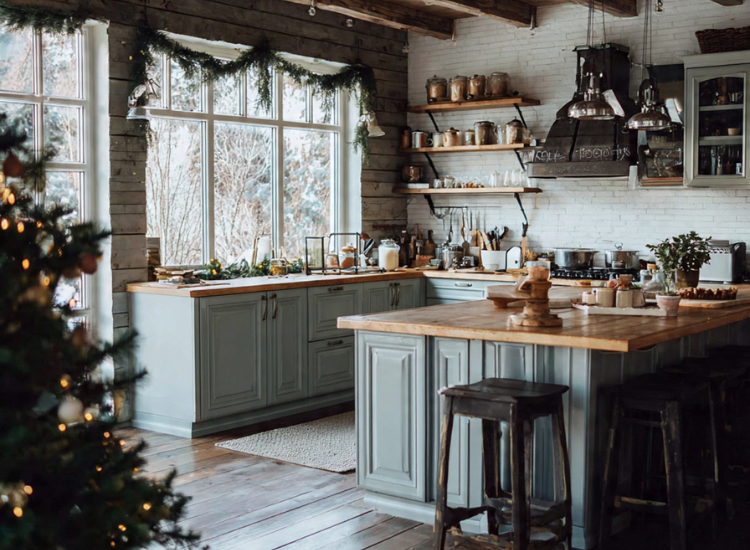
When temperatures drop and snow begins to fall, the kitchen naturally becomes the heart of your home. It’s where hot chocolate gets stirred, cookies emerge from ovens filling the air with cinnamon warmth, and family gathers around steaming bowls of soup. Winter kitchen decor isn’t about elaborate overhauls—it’s about enhancing this natural gathering space with thoughtful seasonal touches that make everyday moments feel special. From displaying vintage enamelware filled with evergreens to creating cozy coffee stations that invite lingering conversations, the right winter decor transforms your kitchen from a functional workspace into a warm sanctuary that draws everyone in from the cold.
Why Winter Kitchen Decor Creates Cozy Comfort
Unlike other seasons when outdoor activities pull us away, winter keeps us indoors where the kitchen becomes our refuge. We bake more, cook heartier meals, and spend extended time preparing comfort foods that take hours to simmer. Winter kitchen decor acknowledges this shift by creating an environment that supports these activities while lifting spirits during gray, dark days. Seasonal touches—a bowl of glossy red apples, pine branches in a vintage pitcher, flickering candles on the windowsill—provide visual warmth that complements the physical warmth of ovens and stovetops. The best winter kitchen decor works with your space rather than against it, adding beauty without sacrificing the functionality you need for daily meal preparation.
Winter Color Palettes That Warm Your Kitchen
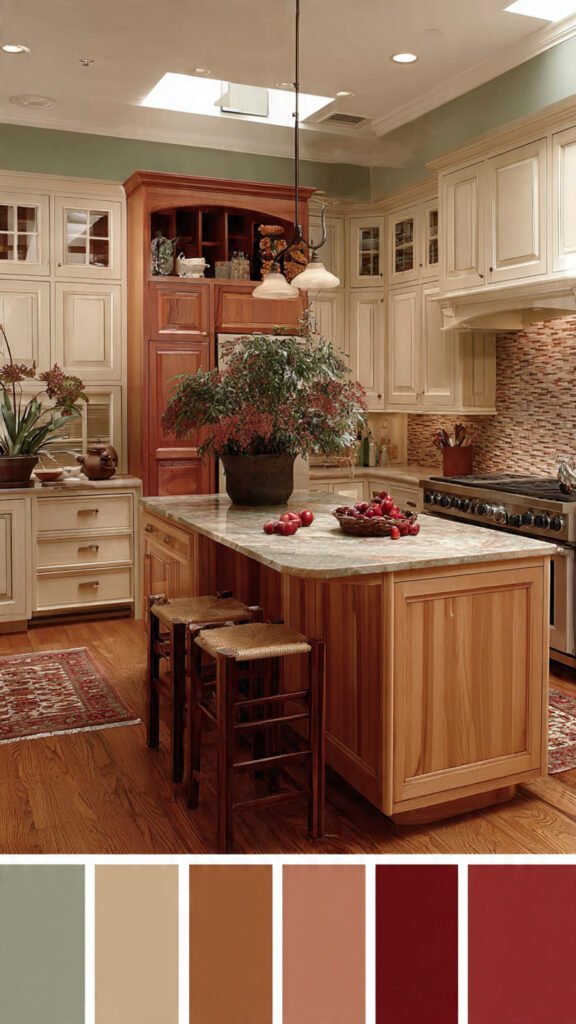
Successful winter kitchen color schemes balance freshness with warmth. Crisp white cabinets and walls serve as the perfect backdrop for seasonal layering—think warm brass or copper metallics that catch light beautifully. Cream combined with soft sage green creates a soothing, natural palette reminiscent of winter herbs dusted with snow. Charcoal gray paired with natural wood tones adds sophisticated depth while maintaining coziness. Don’t shy away from touches of winter berry red through dish towels, displayed pottery, or fresh cranberries in glass jars—these pops prevent spaces from feeling too neutral. The key is maintaining your kitchen’s base colors while introducing seasonal warmth through textiles, displayed items, and natural elements that can easily transition out when spring arrives.
Styling Open Shelving for Winter Appeal
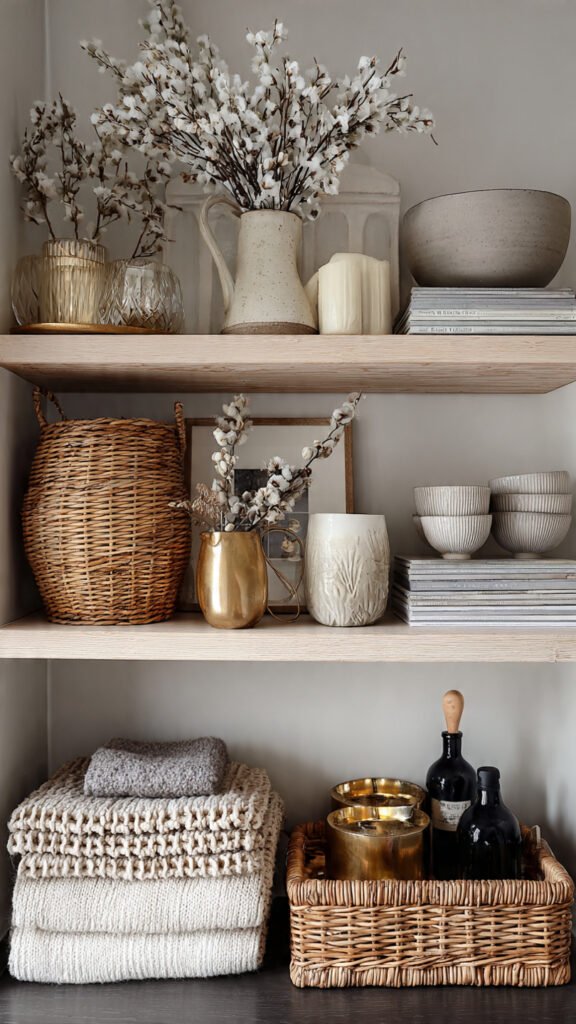
Open shelving provides the perfect canvas for seasonal kitchen displays. Start with your everyday dishes but edit down to your most cohesive pieces—white ironstone, cream pottery, or wooden serving boards create beautiful neutral foundations. Tuck small evergreen sprigs behind displayed plates or arrange them in vintage pitchers positioned among your dishes. Create height variation by stacking plates, standing cutting boards vertically, and placing taller items toward the back.
Incorporate texture through woven baskets, wooden boxes, and ceramic containers with varied finishes. The secret to avoiding clutter is the “rule of three”—group items in odd numbers and leave breathing room between groupings. Rotate a few items monthly to keep displays feeling fresh without complete overhauls.
Countertop Decor That’s Beautiful and Functional

Kitchen counters must work hard, so winter decor here needs to earn its keep. Display seasonal fruits that you’ll actually eat—pomegranates, pears, citrus, and apples arranged in wooden dough bowls or wire baskets serve as both decor and healthy snacks. Use wooden trays to corral frequently used items like oil bottles, salt and pepper, creating organized vignettes rather than scattered clutter. Ceramic canisters holding flour, sugar, and coffee become decor when you add handmade winter labels or chalkboard tags. A marble or wooden cake stand elevates cookies or pastries into displays that invite sampling. The goal is maintaining clear workspace while incorporating elements that enhance rather than hinder your cooking flow—beauty and function working together seamlessly.
Window Treatments and Natural Light Maximization

Winter’s limited sunlight makes every ray precious in your kitchen. If you have heavy curtains or dark treatments, consider swapping for sheer panels that filter light without blocking it entirely. Cafe curtains covering only the bottom half of windows provide privacy while maximizing upper window brightness. Remove treatments altogether if privacy isn’t a concern—clean, unadorned windows showcase winter views and let in maximum light.
Position mirrors strategically to reflect available light deeper into your space. Create small windowsill herb gardens with rosemary, thyme, and sage in vintage containers—they catch precious sunlight while providing fresh cooking ingredients and releasing wonderful aromas. These herbs thrive in cool, bright winter windows and serve triple duty as decor, fragrance, and flavor.
Creating a Cozy Coffee and Tea Station
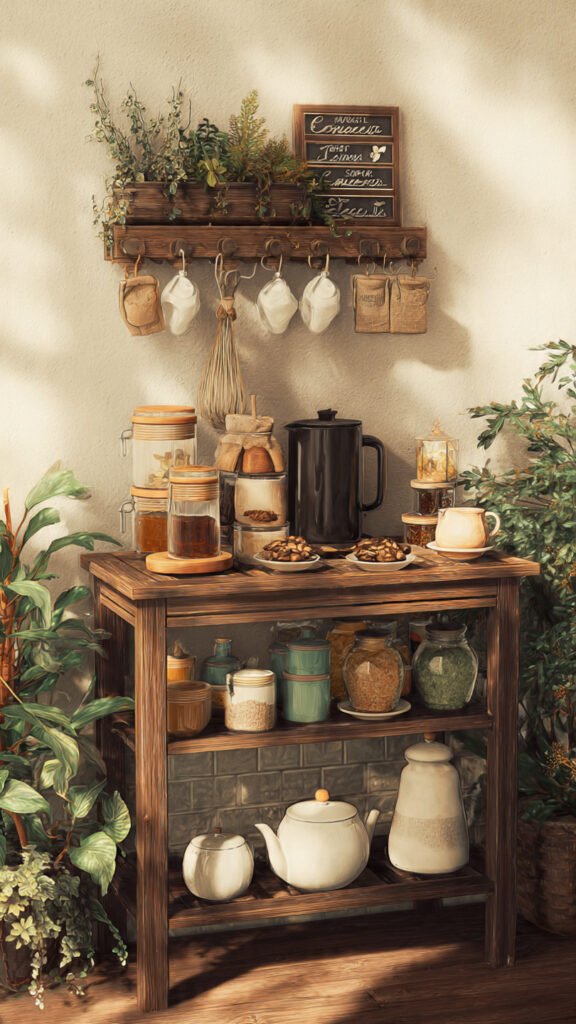
Dedicated beverage stations transform everyday routines into special rituals. Designate a counter corner or cart for your coffee and tea supplies, using a vintage wooden tray or galvanized metal tray as your foundation. Display favorite mugs on cup hooks or a small mug tree—mix patterns and colors for collected character. Store tea bags in glass apothecary jars or vintage tins, making selection easy and visually appealing. Keep coffee beans visible in clear canisters or mason jars.
Create a hot chocolate bar with toppings in small bowls—mini marshmallows, chocolate chips, cinnamon sticks, whipped cream. Add a small chalkboard sign with drink menu options or inspiring winter quotes. This self-serve setup encourages family and guests to help themselves, creating cozy moments throughout cold days.
Winter-Inspired Table Settings and Centerpieces
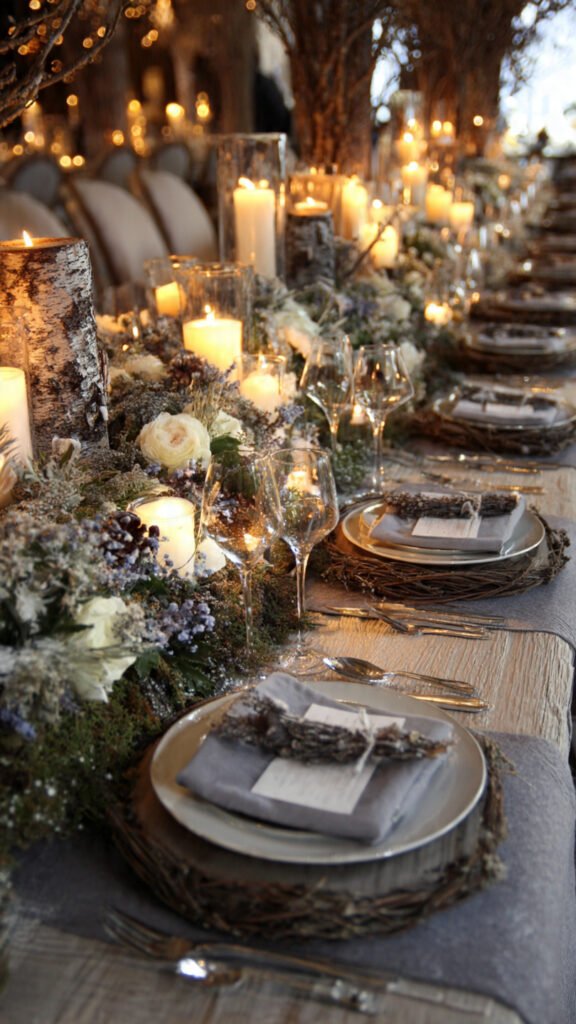
Your kitchen table deserves daily beauty, not just special occasion styling. Start with a simple linen table runner in cream, gray, or natural tones that coordinates with your kitchen. Create a centerpiece using a wooden dough bowl filled with pinecones, small candles, and sprigs of fresh greenery—this natural arrangement requires minimal maintenance and lasts weeks. Fresh eucalyptus or evergreen branches laid directly on the table down the center with scattered votive candles creates elegant simplicity. For everyday place settings, use neutral linen napkins and simple white dishes, adding seasonal touches through wooden chargers or woven placemats. The key is creating an inviting table that’s lovely enough to admire but casual enough to use daily without fussing.
Textiles That Add Warmth Without Bulk
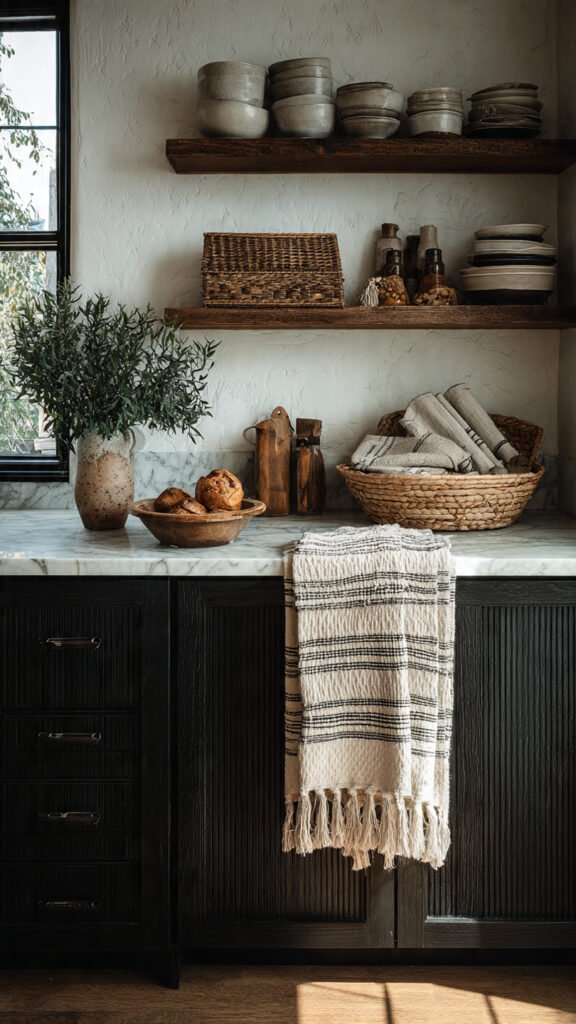
Kitchen textiles are the easiest and most affordable way to introduce winter warmth. Layer dish towels on oven handles—choose patterns like buffalo check, winter florals, or neutral stripes in seasonally appropriate colors. Woven placemats add texture to casual meals while protecting surfaces. Invest in quality linen napkins in neutral tones that work year-round but feel especially appropriate during winter’s natural, organic aesthetic.
Display decorative pot holders on hooks as functional art. The beauty of textiles is their flexibility—swap them out effortlessly when you’re ready for change, and choose natural fibers like linen and cotton that wash easily and develop beautiful character with use. These practical pieces work daily while contributing significantly to your kitchen’s seasonal atmosphere.
Vintage and Antique Touches for Character
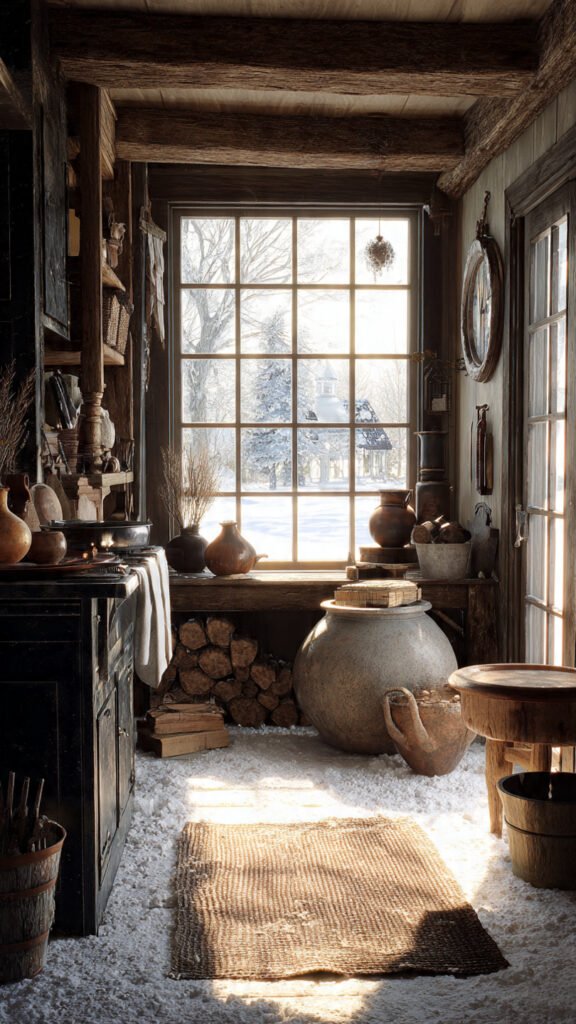
Vintage elements bring soul and story to winter kitchens in ways new items simply cannot. Hunt for enamelware pieces—speckled white and blue pitchers, colanders, or buckets—that gain charm from authentic chips and wear. Display antique wooden cutting boards leaning against backsplashes or hanging on walls as functional art. Old breadboxes provide storage while adding nostalgic appeal.
Vintage scales with their brass mechanisms and worn paint become sculptural focal points on counters or shelves. Rolling pins displayed in ceramic crocks add height and texture. Copper molds hung on walls catch light beautifully and reference traditional winter baking. These pieces don’t need to be expensive—thrift stores and estate sales yield treasures that make your kitchen feel collected and personal rather than catalog-perfect.
Natural Elements from Winter Landscapes
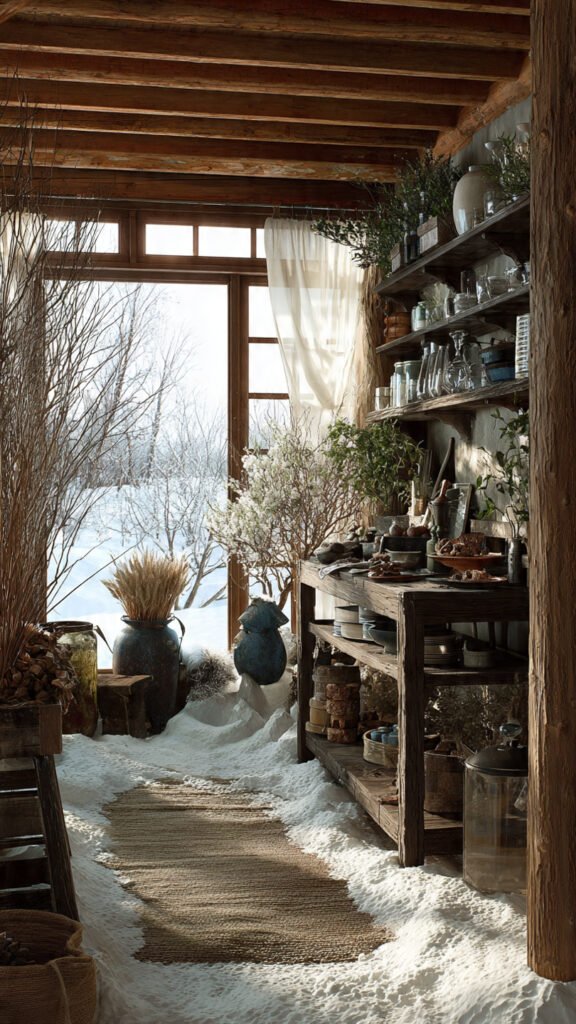
Bringing nature indoors grounds your winter kitchen in authentic seasonal beauty. Clip evergreen branches—pine, cedar, fir—and arrange them casually in ceramic pitchers or vintage bottles on counters and shelves. Fill wooden bowls with pinecones collected from walks or purchased inexpensively at craft stores. Use short birch logs as risers under cake stands or serving pieces, adding organic texture.
Create simple garlands from dried orange slices strung on twine, draping them across open shelving. Force branches like forsythia or pussy willow indoors in tall vases—they’ll bloom weeks early, providing late-winter hope. Pot rosemary plants in galvanized buckets or terra cotta, training them into small topiaries on windowsills. These natural elements cost little but deliver maximum seasonal impact while connecting your indoor space to winter’s outdoor beauty.
Lighting Solutions for Ambiance and Function

Proper lighting transforms winter kitchens from sterile workspaces to warm gathering places. Ensure pendant lights over islands or tables use warm-toned LED bulbs rather than cool white—this simple change dramatically affects ambiance. Install or upgrade under-cabinet lighting to create evening glow that makes cooking more pleasant during dark winter evenings. Place pillar candles in hurricane lanterns on counters or tables—the glass protects flames while creating beautiful diffused light.
Edison bulb fixtures add vintage charm and provide warm amber glows. Consider dimmer switches for overhead lights, allowing you to adjust brightness based on time of day and activity. Layer your lighting—bright task lighting for cooking, softer ambient lighting for dining and gathering—creating a kitchen that adapts to different winter moods and moments.
Small Kitchen Decor Strategies

Limited space requires strategic choices but doesn’t mean sacrificing seasonal style. Focus on vertical displays—wall-mounted shelves holding a few beautiful items create impact without consuming counter space. Use magnetic containers for spices, adding handmade winter labels that become decor while organizing. Multi-functional items work hardest: a vintage ladder leaning in a corner holds dish towels while adding architectural interest; a rolling cart stores supplies but styled intentionally becomes a focal point.
Choose one statement piece rather than many small items—a large wreath on the wall, a substantial greenery arrangement, or a beautiful vintage sign draws the eye without creating clutter. In small kitchens, edit ruthlessly, keeping only items that serve dual purposes or bring significant joy.
Scent and Sensory Elements of Winter Kitchens
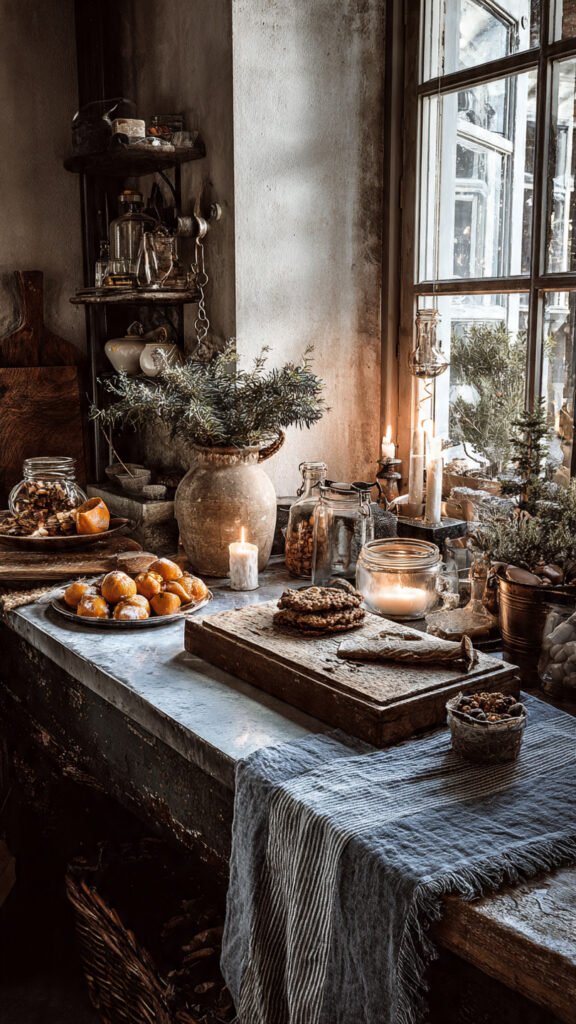
Winter kitchen ambiance extends beyond visual decor into aromatic territory. Create stovetop potpourri by simmering water with orange slices, cinnamon sticks, whole cloves, and fresh rosemary—this natural fragrance fills your entire home without artificial chemical sprays. Display cinnamon bundles tied with twine on shelves or in bowls where their natural scent releases subtly. Bake bread regularly—few things create cozier atmosphere than yeast and baking flour aromas.
Keep fresh herbs growing on windowsills; brushing past rosemary or rubbing sage leaves releases wonderful winter scents. Make citrus pomanders by studding oranges with cloves, displaying them in bowls as both decor and natural air freshener. These sensory elements work with your visual decor to create fully immersive winter kitchen experiences that engage all senses.
Conclusion
Your winter kitchen should be a place where you actually want to spend time, not just admire from afar. The most successful seasonal decor enhances your daily routines rather than complicating them, adding beauty that supports function instead of hindering it. Whether you embrace vintage farmhouse charm, clean modern minimalism, or eclectic personal style, let your choices reflect how you actually live and cook. Start with simple changes—a bowl of winter fruit, fresh greenery in a pitcher, new dish towels—and build gradually. Remember that the warmest, most inviting kitchens show signs of use: flour dusted on counters, well-worn cutting boards, mugs waiting by the coffee maker. This winter, create a kitchen that’s both beautiful and genuinely livable, where every meal becomes a cozy celebration.