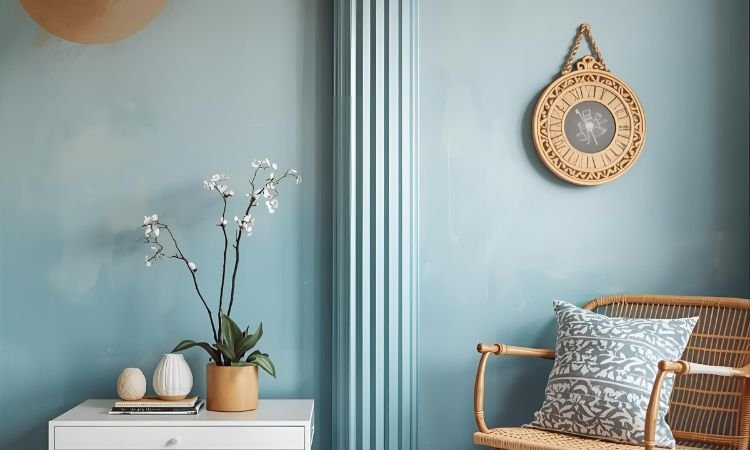
Pillars are one of those things that just kind of exist in your house—structural necessities that break up your open floor plan or sit there in corners looking awkward. Most people ignore them or wish they’d disappear. But here’s what interior designers know: pillars are actually opportunities. With the right paint treatment, they become features instead of eyesores.
Wall pillar painting ideas turn functional columns into design elements that enhance rather than interrupt your space. The strategic use of color, pattern, and technique transforms pillars from things you work around into architectural details worth highlighting. It’s making structural requirements work for your aesthetic instead of against it.
We’re covering 9 wall pillar painting ideas that work for different styles and pillar types. Whether you’ve got load-bearing columns in your living room or decorative pillars flanking doorways, these approaches make them intentional parts of your design. And honestly? Painted pillars often become favorite features in rooms.
What Makes Wall Pillar Painting Work
- Contrast Creates Impact: Painting pillars differently than walls makes them features instead of interruptions. It’s embracing their presence rather than trying to hide them. The bold approach turns potential problems into design moments.
- Cohesion Ties Spaces Together: Matching pillar colors to other room elements creates intentional flow. It’s connecting architectural features to your overall scheme. The coordinated approach makes everything feel designed.
- Pattern Adds Interest: Pillars’ vertical surfaces are perfect canvases for patterns and designs impossible on larger walls. It’s using the contained space for bold moves. The defined area limits pattern preventing overwhelm.
- Finish Affects Perception: Glossy paint reflects light making pillars feel lighter while matte absorbs light creating solid presence. It’s choosing sheen strategically. The surface treatment impacts how substantial pillars feel.
9 Wall Pillar Painting Ideas
Transform structural columns into design features with these wall pillar painting ideas that add character and style.
Paint Them Bold Accent Colors
Choose saturated colors contrasting with wall tones making pillars intentional focal points. The bold treatment celebrates their presence creating architectural drama. It’s using color turning functional elements into statement pieces.
Try deep navy, emerald green, or charcoal making pillars pop against lighter walls. Use semi-gloss or satin finish adding subtle sheen. This wall pillar painting idea costs one can of accent paint transforming pillars from afterthoughts to features.
Create Horizontal Stripe Patterns
Paint wide horizontal stripes in alternating colors adding visual interest and making pillars appear wider. The banded pattern breaks up vertical expanse. It’s adding dimension through simple color blocking.
Use painter’s tape creating even bands and choose two complementary colors. Keep bands substantial—6-12 inches wide. This wall pillar painting idea adds pattern without complex technique creating modern graphic appeal.
Try Ombre Gradient Effects
Blend colors from light at top to dark at bottom creating smooth transitions. The gradient adds sophistication and visual movement. It’s painting technique as architectural detail.
Work with paint still wet blending where colors meet. Practice blending on boards first. This wall pillar painting idea requires more skill but creates genuinely unique results.
Add Metallic Accents
Paint pillars in metallic finishes—gold, copper, bronze, or silver—creating luminous architectural elements. The reflective surfaces add glamour and catch light beautifully. It’s jewelry for your architecture.
Use metallic paint designed for walls applying multiple thin coats for even coverage. Works especially well in formal spaces. This wall pillar painting idea costs $40-60 per pillar for specialty paint creating luxurious impact.
Create Faux Stone or Marble
Paint realistic stone or marble effects using sponging and veining techniques. The textural illusion adds weight and elegance. It’s making plain columns appear like high-end materials.
Study real stone photos noting color variations and vein patterns. Use multiple colors building layers. This wall pillar painting idea requires patience and practice creating convincing material illusions.
Paint Geometric Patterns
Add triangles, chevrons, or abstract geometric designs creating modern artistic elements. The bold patterns make pillars conversation pieces. It’s turning structural necessities into contemporary art.
Use painter’s tape mapping precise shapes and limit to 2-3 colors preventing chaos. Plan patterns on paper first. This wall pillar painting idea transforms pillars into gallery-worthy features.
Try Two-Tone Color Blocking
Paint pillar tops and bottoms in different colors creating horizontal division. The simple treatment adds interest without complex pattern. It’s sophisticated color blocking using architectural features.
Divide at natural sight lines or room proportions—roughly one-third from top or bottom. Choose colors from your room palette. This wall pillar painting idea adds dimension through minimal effort.
Add Vertical Stripes
Paint thin vertical stripes making pillars appear taller and more elegant. The upward lines emphasize height and create sophisticated detail. It’s using pattern enhancing pillar proportions.
Keep stripes relatively narrow—2-4 inches—using painter’s tape ensuring clean lines. Alternate between pillar base color and accent shade. This wall pillar painting idea elongates columns making ceilings feel higher.
Match to Adjacent Walls
Paint pillars the exact same color as surrounding walls making them recede visually. The camouflage approach minimizes their presence when you prefer pillars fading into backgrounds. It’s the opposite of accent treatment—intentional invisibility.
Use identical paint and finish creating seamless blending. This wall pillar painting idea works when you want pillars noticed as little as possible.
Making Wall Pillar Painting Work
- Consider Room Style: Match pillar treatments to overall aesthetic—bold modern spaces handle dramatic pillar colors while traditional rooms suit subtle approaches. It’s ensuring pillar painting aligns with room character. The cohesive approach prevents pillars feeling out of place.
- Prep Surfaces Carefully: Clean pillars thoroughly and repair any damage before painting—pillars often get dinged and scuffed. It’s creating smooth surfaces for professional results. The proper prep shows in finished appearance.
- Use Quality Painter’s Tape: Invest in good tape for crisp lines especially important on vertical surfaces. It’s getting clean edges that make patterns look intentional. The quality tape prevents paint bleed creating sharp boundaries.
- Account for Multiple Viewing Angles: People see pillars from all sides—ensure treatments look good from every angle. It’s designing in three dimensions. The complete coverage creates polished results from any viewpoint.
Frequently Asked Questions About Wall Pillar Painting
Should Pillars Match or Contrast With Walls?
Both approaches work depending on goals. Matching makes pillars recede minimizing their presence. Contrasting celebrates them as features. Consider whether you want pillars noticed or ignored then choose accordingly.
In open plans, contrasting pillars help define zones. In smaller spaces, matching might prevent visual clutter. The decision depends on your specific space and preferences.
What Colors Work Best?
In contemporary spaces, black, charcoal, navy, or bold jewel tones create drama. Traditional rooms suit whites, creams, or muted neutrals. Metallic finishes work in glamorous or eclectic spaces. Match color intensity to room energy.
Test colors on poster board positioned against your walls seeing how they interact. The pillar color should enhance not fight with wall colors.
Can You Paint Load-Bearing Columns?
Absolutely—paint doesn’t affect structural integrity. Clean and prep like any surface. Some exposed steel columns need specific metal primers before topcoats. The paint treatment is purely cosmetic not structural.
Consult professionals only if you’re questioning the column’s structural condition, not about painting it. The cosmetic work proceeds independently from structural considerations.
What About Decorative Pillars?
Decorative non-structural pillars are perfect for bold treatments since they’re already design elements. Try dramatic colors, complex patterns, or metallic finishes. The intentional decorative nature invites creative approaches.
These pillars often have architectural details—capitals, bases, fluting—that painting can emphasize through color contrast. The enhancement highlights existing features.
How Do You Paint Textured Pillars?
Use thick nap rollers (3/4 inch) pushing paint into texture and crevices. Brushwork might be needed for deep texture ensuring complete coverage. Apply extra coats as textured surfaces absorb more paint.
Spray painting works well for heavily textured columns covering evenly. The technique handles complex surfaces better than rolling alone.
Should Multiple Pillars Match?
Generally yes—repeating treatments creates rhythm and cohesion. Matching pillars throughout spaces feels intentional. Occasional variation works in very large spaces but most homes benefit from consistent pillar treatment.
If you have many pillars, consider alternating between two complementary treatments creating pattern. The variation adds interest while maintaining order.
What Finish Should You Use?
Semi-gloss or satin finishes clean easily important for high-traffic pillars prone to fingerprints and scuffs. The slight sheen reflects light making pillars feel less heavy. Matte works for creating substantial grounded presence.
Glossy finishes highlight imperfections—use only on perfectly smooth pillars. The reflective surface amplifies any surface irregularity.
Can You Add Temporary Treatments?
Removable wallpaper, contact paper, or fabric wrapped and secured creates temporary pillar treatments. The non-permanent options work for renters or indecisive homeowners. Painted pillars require commitment—test with temporary materials first if uncertain.
These alternatives let you experiment with patterns and colors before permanent painting. The trial run prevents regrettable paint decisions.
Transforming Your Pillars
Wall pillar painting ideas prove that structural columns don’t have to be design challenges—thoughtful paint treatments transform them into intentional architectural features. Whether you choose bold contrasting colors, sophisticated patterns, or subtle blending, painted pillars become considered parts of your design rather than elements you work around.
Start by deciding whether you want pillars noticed or minimized choosing paint approaches accordingly. Consider your room’s style, existing colors, and how pillars relate to overall space. The strategic approach creates pillar treatments enhancing your home rather than fighting against its architecture.
What’s your pillar situation—obvious interruptions you wish would disappear or potential features waiting for the right treatment? I’d love to hear your approach!